Some journeys demand confidence, planning, and the right people by your side. Travelling through Northeast India is one of them. The region rewards curiosity, but it also requires awareness of distance, terrain, and cultural context. An all-women trip to Kaziranga and the Hornbill Festival works because it respects these realities while allowing genuine engagement. Wildlife in Assam and living traditions in Nagaland sit far apart on the map, yet together they present a beautiful, coherent travel experience.
This journey is not about collecting moments. It is about understanding how land, community, and history intersect, and why travelling as a group of women can change how these places are experienced.
The journey begins in Assam, where Kaziranga National Park spreads across floodplains sustained by the Brahmaputra River. It is the only national park in India where regulated elephant back safaris are still permitted, offering a rare and mesmerising way to move through tall grasslands. Kaziranga is also the strongest refuge of the one-horned rhinoceros in Asia, holding the largest population of this species anywhere in the world. Known for its population of the one-horned rhinoceros, the park also supports elephants, wild water buffalo, swamp deer, and an exceptional range of birdlife. Wildlife viewing here follows strict guidelines, which create both safety and clarity for visitors.
A Kaziranga safari women’s tour places emphasis on observation and learning. Jeep safaris are led by trained naturalists who explain how the park functions through seasonal cycles, why certain species remain elusive, and how conservation efforts extend beyond park boundaries. This approach appeals strongly to those interested in women’s wildlife tours in India, where knowledge and responsibility take priority over spectacle.
One of the highlight experiences in Kaziranga is the elephant back safari. Moving through the grasslands at this pace changes perception entirely. Height, movement, and proximity alter how the landscape is understood, suggesting a grounded way to observe wildlife without intrusion. It is an experience that leaves a lasting impression because it requires attentiveness rather than excitement.
Evenings near the park are purposefully unstructured. Authentic Assamese thalis are served overlooking the Brahmaputra, alongside locally grown tea and ample rest, allowing the group to ease into travel together. These hours build trust and familiarity, which becomes essential as the journey continues.
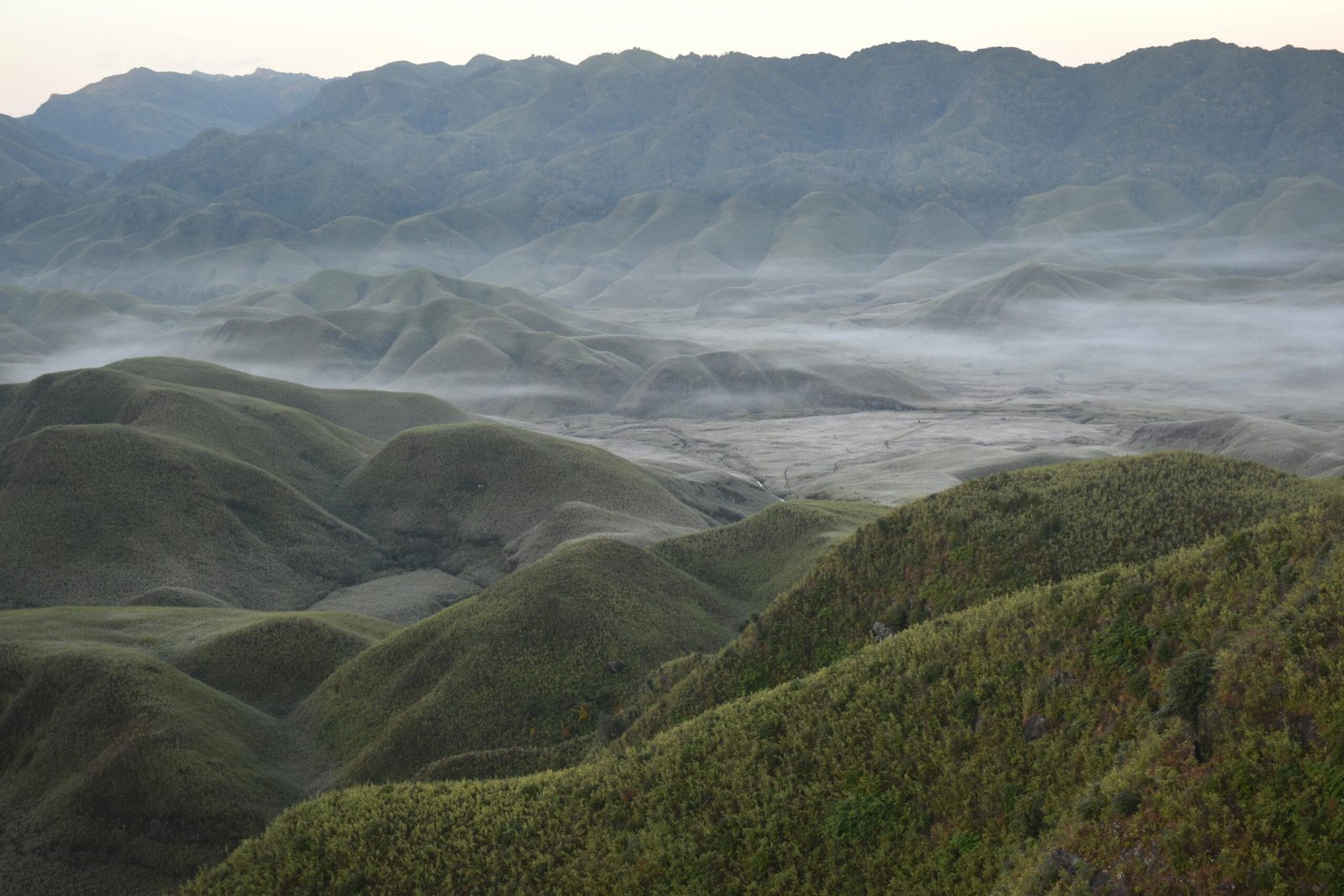
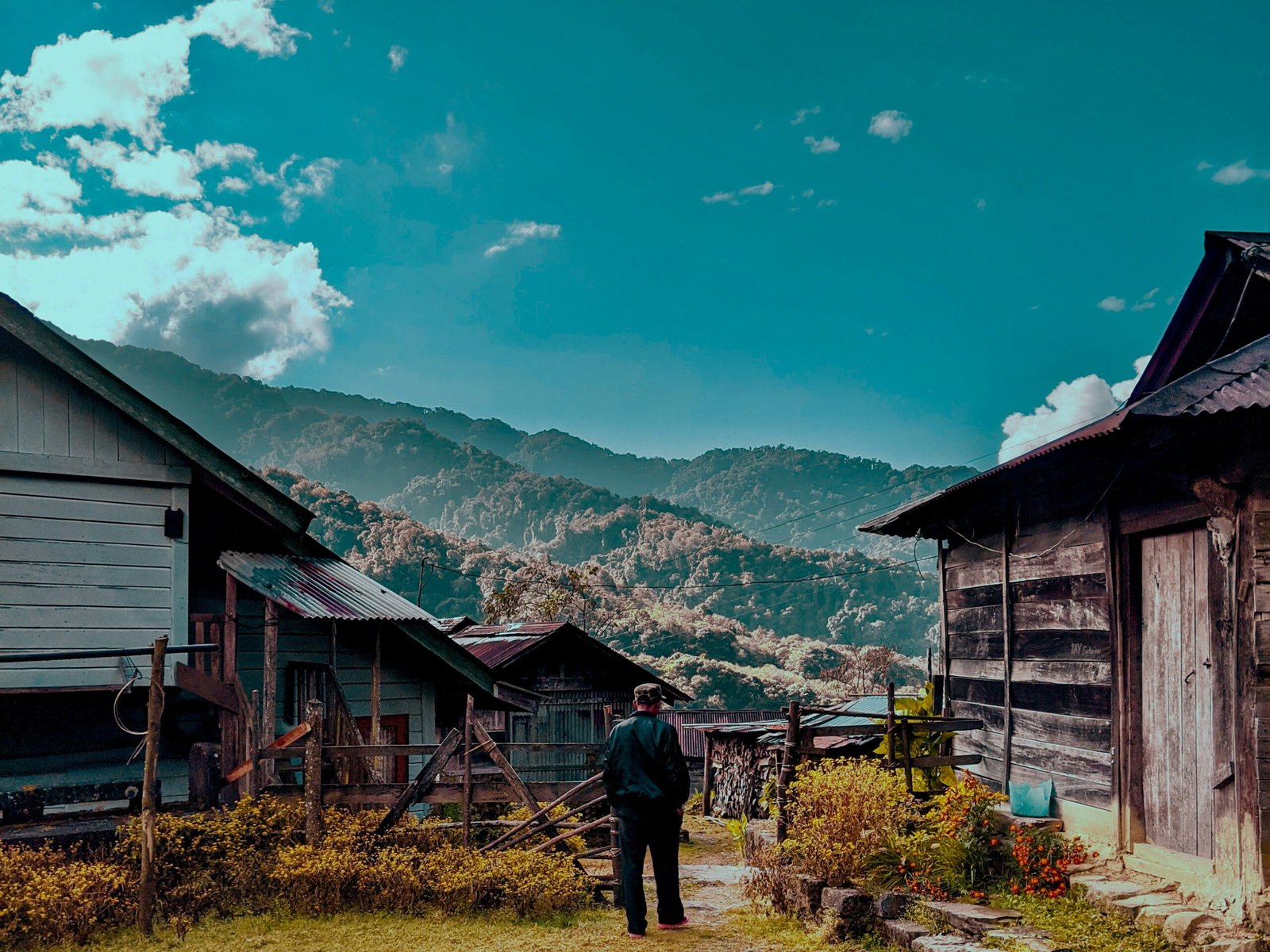
Leaving Assam introduces a clear change in terrain and daily life. The drive towards Nagaland moves steadily into hill country, where villages sit close to forests, and community ties remain strong. Nagaland is home to several tribes, each with its own social systems, attire, crafts, and food traditions. These are not historical remnants but active expressions of identity in that part of the country.
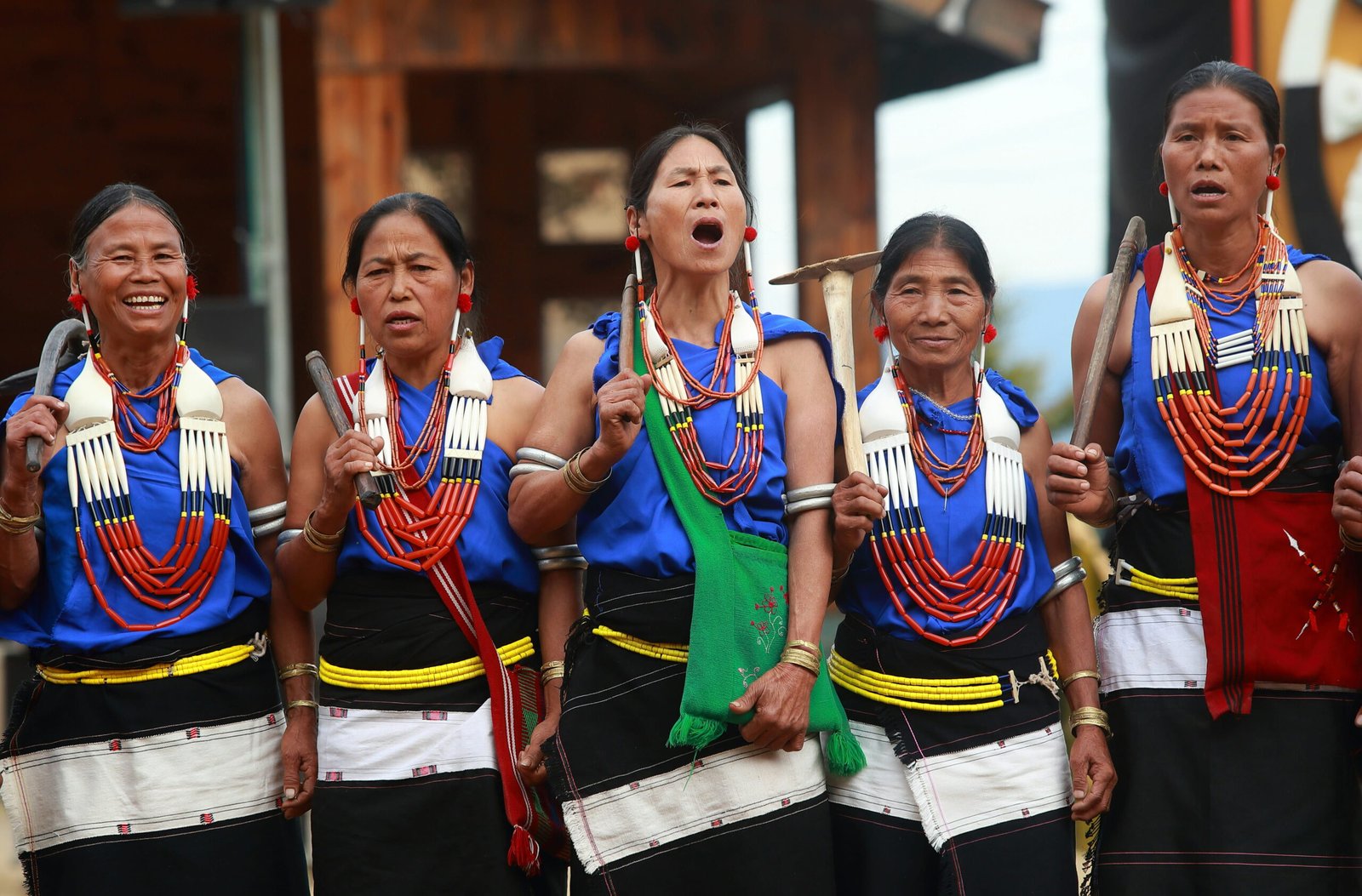
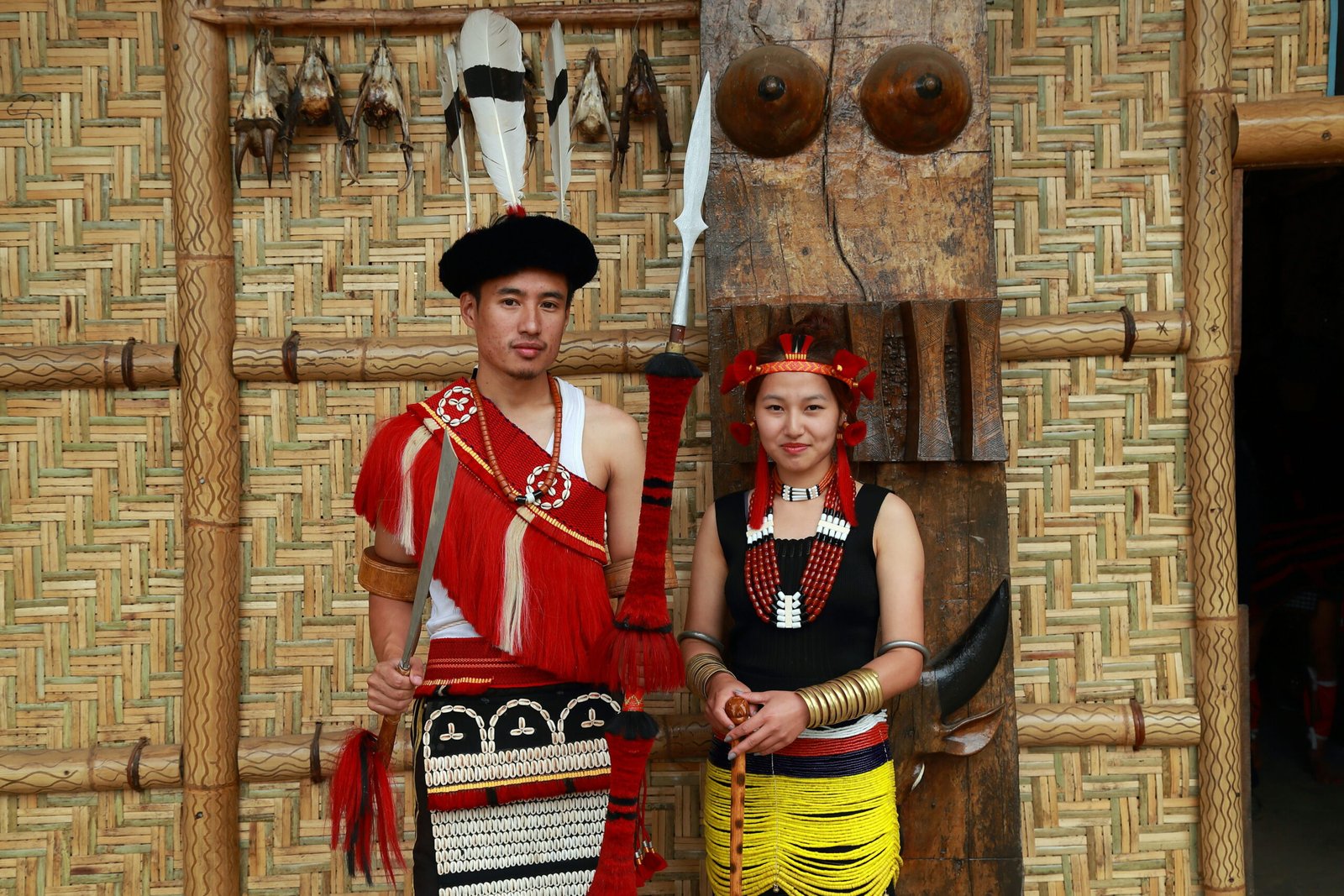
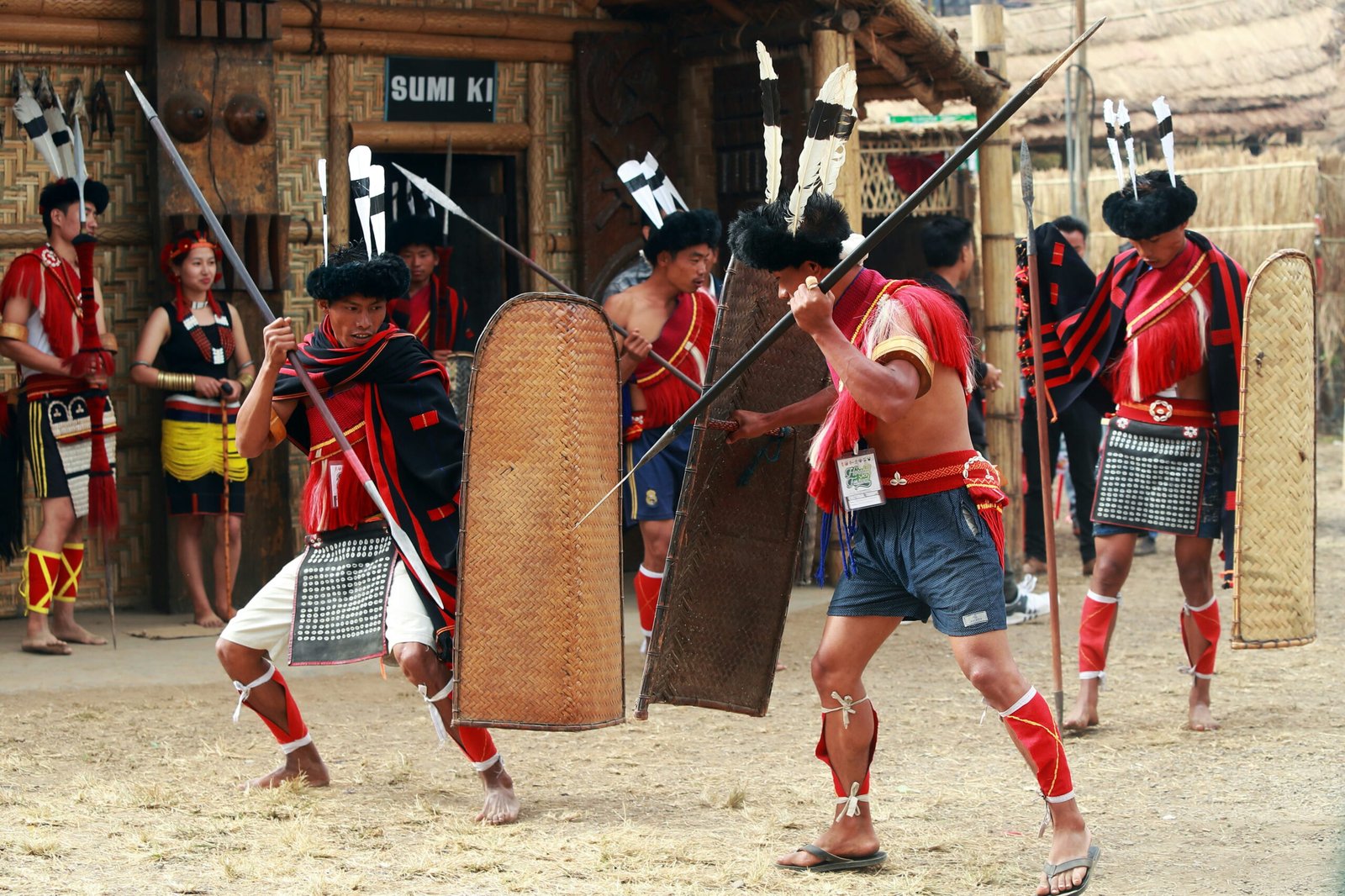
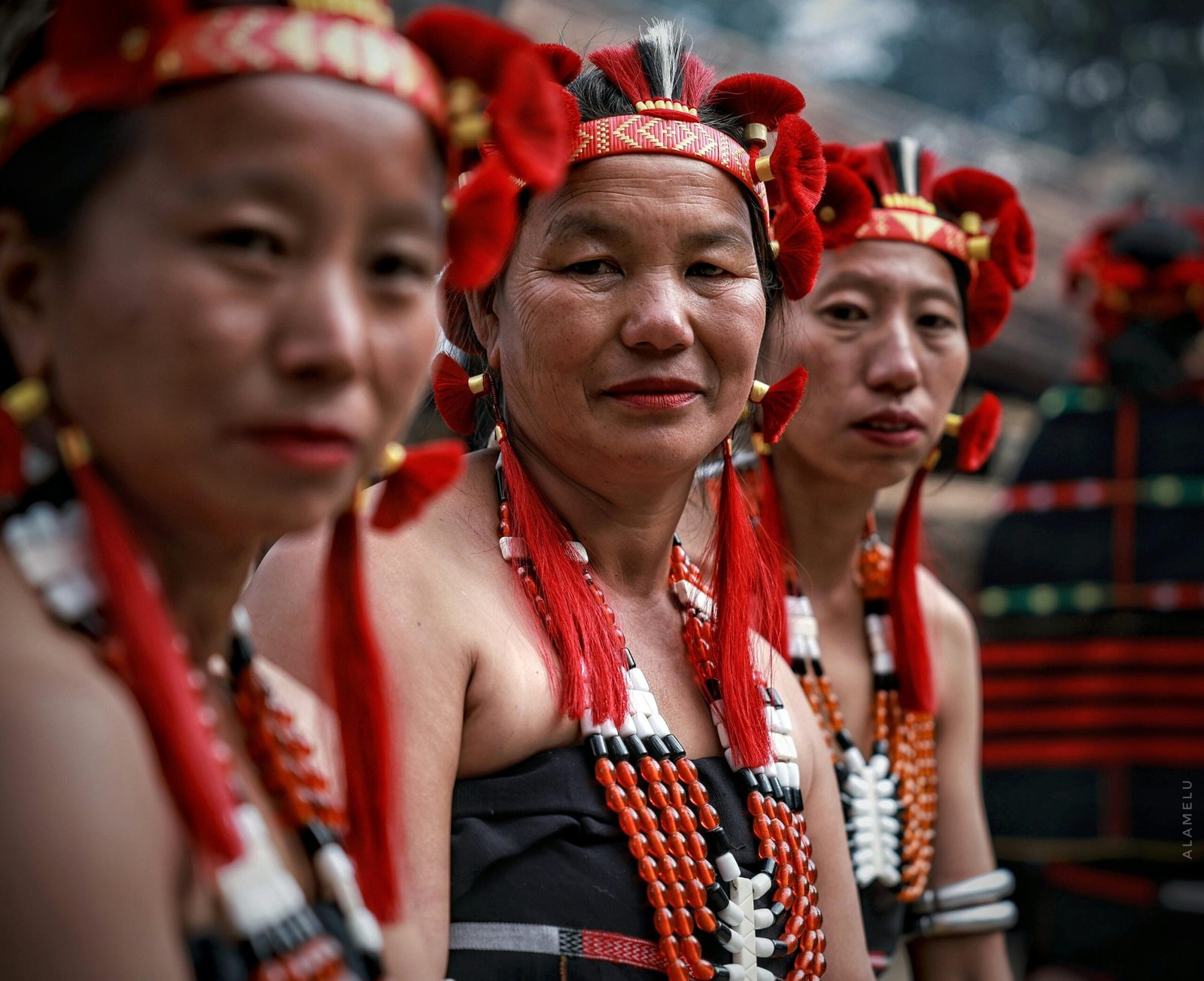
Arriving during the Hornbill Festival places travellers within one of the most significant cultural gatherings in the region. Held each December near Kohima, the festival brings tribes from across the state together to present their heritage through music, dance, storytelling, craft, and cuisine. A Hornbill Festival women’s trip benefits from preparation and local guidance, especially when navigating performances and spaces that carry cultural meaning.
Understanding what is appropriate to photograph, how to approach artisans, and when to observe rather than engage is essential here. A guided group travel makes this easier, allowing everyone to learn collectively.
The festival grounds are expansive and full of activity. Morungs, Naga youth dormitories, representing different tribes, host performances throughout the day. Dances and songs are rooted in agricultural cycles, village life, and shared histories. Each performance follows its own structure and purpose, and watching them in full rather than in fragments adds meaning to the experience.
Craft areas offer handwoven textiles, beadwork, woodcraft, and jewellery, many created using techniques passed down within families. Conversations with artisans provide insight into materials, symbolism, and the effort involved. Food stalls introduce visitors to regional dishes that vary widely across tribes, presenting a practical way to understand how geography influences cuisine.
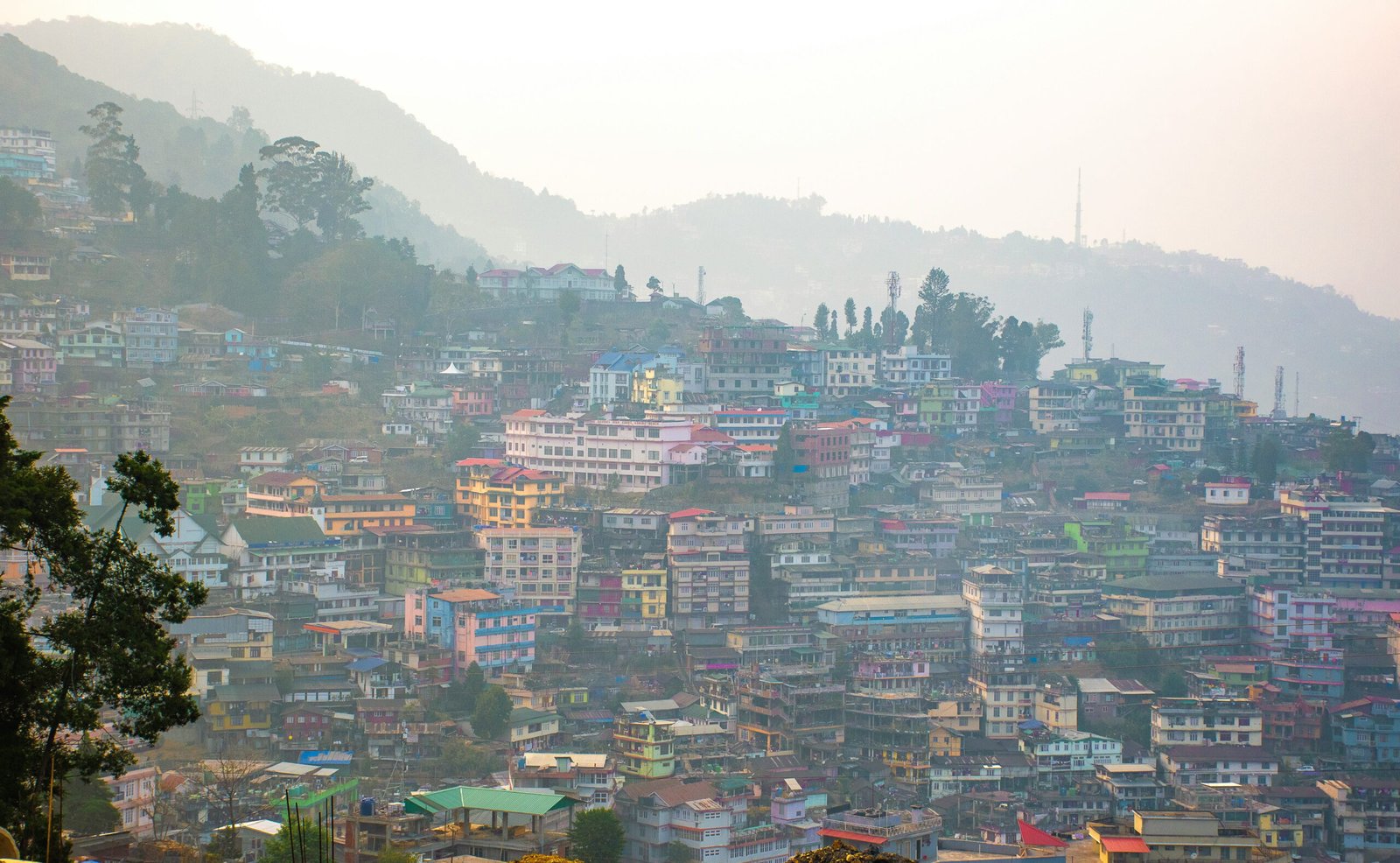
Away from the festival grounds, a visit to the Kohima War Cemetery brings the events of the Burma Campaign during the Second World War into clear view. Walking through the site helps recreate the scale and human cost of the conflict. Another memorable moment comes from meeting a local family over a cup of tea, creating a genuine connection and a deeper understanding of everyday life in Kohima.
Moving through the festival as a group of women creates ease. There is flexibility to stay longer at a performance, return to a stall for discussion, or step away when crowds become dense. This freedom defines women’s cultural trips in Northeast India, where choice and comfort matter as much as access.
A women-only Kaziranga tour that continues into Nagaland is not simply about group composition. It is about creating an environment where questions, rest, and individual comfort are respected. Long drives, early starts, and culturally sensitive settings become more manageable when travellers feel supported.
Safety planning is clear and practical. Transport, accommodations, and local partnerships are selected with care. Just as important is emotional ease, which allows travellers to engage fully without needing to explain personal limits.
Travelling together also encourages shared learning. Wildlife sightings, festival performances, and local interactions become collective experiences that deepen through discussion rather than competition.
Both Assam and Nagaland rely on responsible tourism practices. Wildlife areas operate under strict regulations designed to protect fragile ecosystems. Cultural spaces require respect for personal boundaries, customs, and community norms.
Supporting local livelihoods is part of this responsibility. Naturalists, drivers, performers, artisans, and food vendors all contribute directly to the journey. Ethical choices ensure that travel benefits those who live in these regions, strengthening the future of women’s wildlife tours in India and cultural travel across the Northeast.
Photography is handled with awareness, with permission sought where required and group briefings reinforcing appropriate conduct.
This journey works because it allows contrast without disconnection. Kaziranga has scale, space, and ecological context. Nagaland shows closeness, community, and cultural continuity. Together, they present a fuller picture of Northeast India that few routes manage to capture.
An all-women trip to Kaziranga and Hornbill Festival suits travellers who value depth, learning, and experience over surface impressions. This is a way to move through unfamiliar regions with confidence, respect, and genuine curiosity, carrying home understanding rather than excess information.