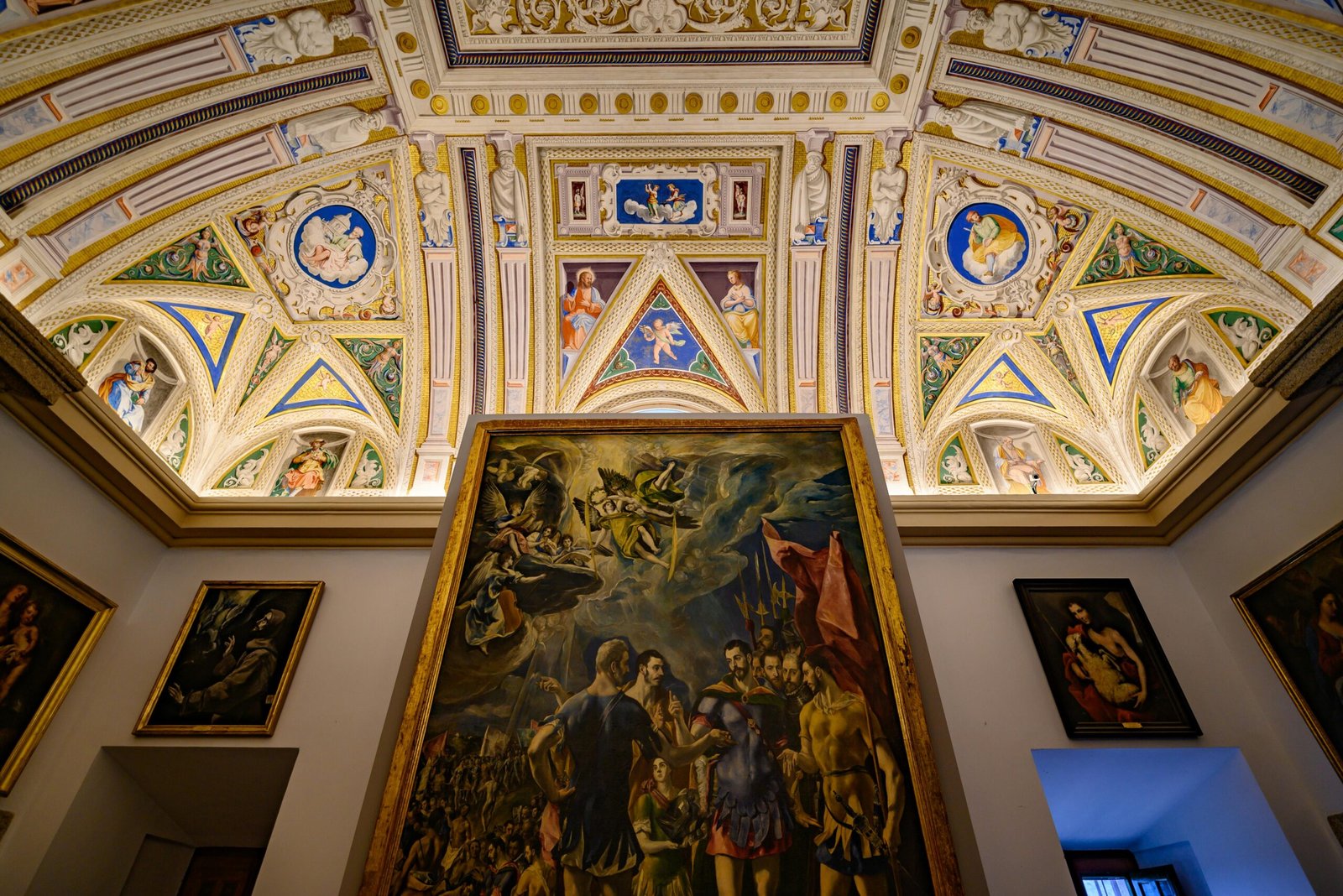
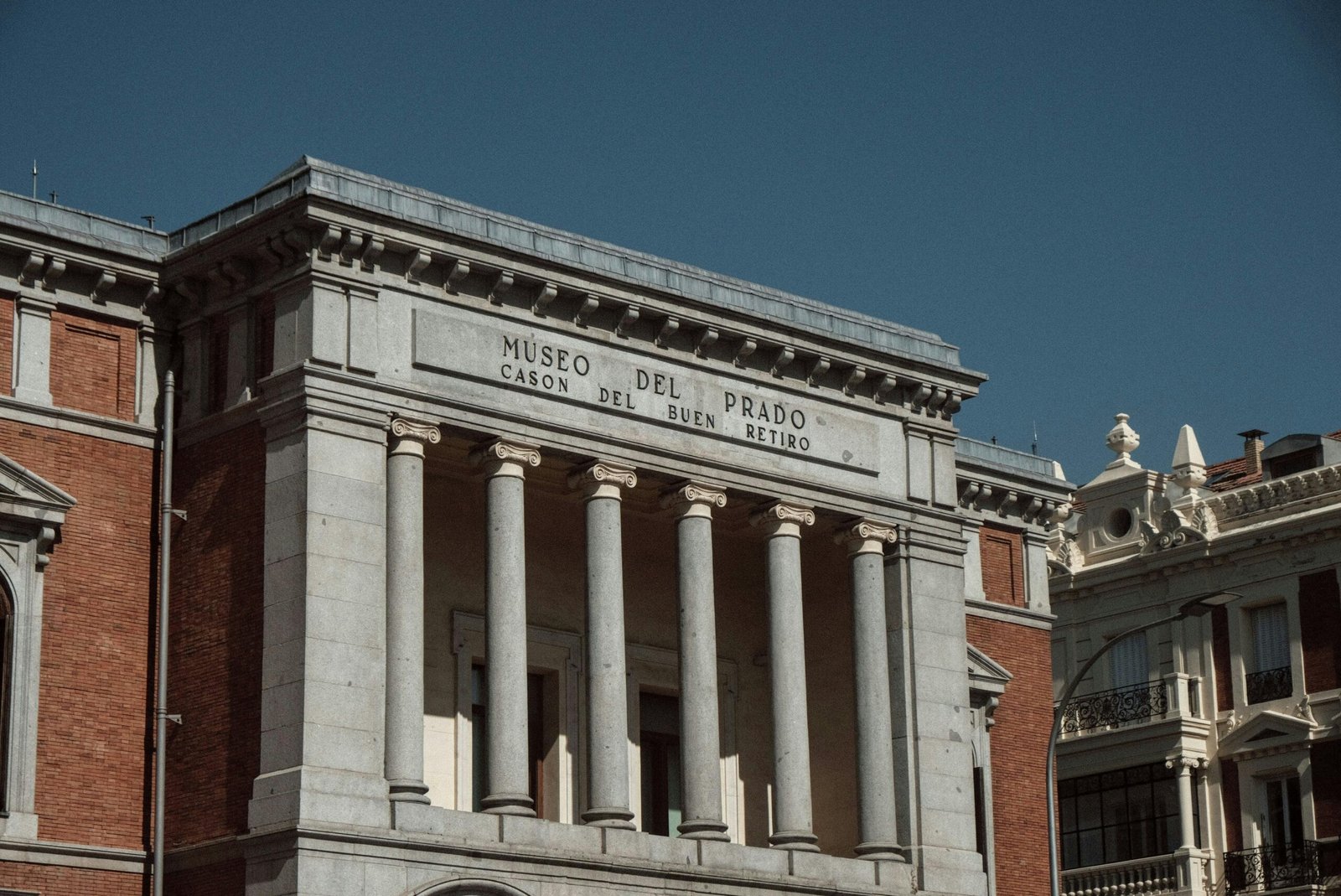
Madrid is a city that takes its lunch breaks and its oil paintings very seriously. If you walk into a building and immediately feel like you need a lie down because there is simply too much genius on the walls, then you have probably found yourself in the middle of the Golden Triangle of Art. The Prado is not a place where you just pop in for twenty minutes to see one famous canvas before heading off for tapas.
It is a dense and vast fortress of high art that contains one of the finest royal collections in the world. When people talk about Prado Museum masterpieces, they are referring to a collection that spans centuries of European history and contains enough drama and religious fervour to fuel a dozen prestige television series.
Going about this place requires a bit of stamina and a very good pair of walking shoes because the museum is huge and the emotional weight of the art is even heavier. You are not just looking at old oil on canvas, but you are looking at the personal tastes of Spanish kings who had an almost unlimited budget and a very particular eye for the magnificent and the little (subjectively) disturbing.
The core collection of Prado Museum masterpieces
The first thing you have to accept is that you cannot see everything in one go. If you try to look at every single one of the thousands of paintings on display, your brain will eventually turn into a confused mess of golden frames and cherubs. The trick is to have a plan and to know which rooms deserve most of your time.
The museum is essentially a three-storey labyrinth of halls and galleries that can feel a bit intimidating if you do not have a clear path.
However, the layout is actually fairly logical once you get your bearings, and the staff are usually very helpful at pointing you toward the big hitters. Most visitors start with the Spanish greats, but the museum also holds incredible works from the Italian and Flemish schools, which were the obsessions of the Habsburg and Bourbon dynasties.
Standing in the presence of Las Meninas
No visit to the Prado is complete without standing in front of Velázquez’s Las Meninas. This is widely considered one of the most important and famous paintings in the Prado Museum for reasons that go far beyond its size. It is a massive, life-sized painting that is essentially a 17th-century version of a meta-commentary on art itself. You see the five-year-old Infanta Margarita surrounded by her entourage of maids of honour and a slightly bored-looking dog.
But the real genius is the fact that Velázquez painted himself into the picture, standing at a massive canvas and looking directly at us. If you look closely at the mirror in the background, you can see the reflection of the King and Queen. This means that we, the viewers, are standing exactly where the royal couple would have been while being painted. It is a clever bit of perspective that has kept art historians arguing for centuries, and it remains one of the absolute Prado Museum highlights.
Walking through the dark mind of Goya
After you have admired the regal elegance of Velázquez, you need to prepare yourself for Francisco Goya. He is perhaps the most famous of all Spanish artists represented here, and his career trajectory is a bit like watching a creator move from bright, royal portraits into a world of profound, unfiltered isolation. You can start with his early portraits of the royal family, which are beautiful and technically perfect. But as you move through the rooms, the work gets darker and more cynical. This culminates in the Black Paintings, a series of works he painted directly onto the walls of his house during his final years of deafness and isolation. These Prado Museum artworks were never meant to be seen by the public, which makes them feel even more intimate and terrifying.
The non-Spanish talent that defines the collection
While the Spanish artists are the main draw, you would be doing yourself a disservice if you ignored the rest of the collection. The Prado holds an incredible amount of work by Titian, who was the favourite painter of Emperor Charles V. These paintings are all about rich colours, luxurious fabrics, and the sheer power of the monarchy.
The Italians are often about harmony and light, while the Spanish collection tends to lean into a more sombre, realistic, and sometimes quite aesthetic. This is particularly evident in the works of El Greco, whose elongated figures and weird, neon colours look like they were painted under a blacklight. His work was largely ignored for centuries because people thought it was too strange, but today he is recognised as a visionary who influenced everyone from Picasso to the Expressionists.
Key tips for the Madrid art museums
Visiting the Prado is a physical challenge as much as an intellectual one. The floors are hard, the rooms are large, and the “museum foot” is a very real condition that affects even the most seasoned travellers. Most Madrid art museums are quite large, but the Prado is the undisputed heavyweight. A good tip is to aim for the free entry hours, which usually happen in the last two hours of the day. While this is great for your wallet, it is also when the museum is at its busiest, so you might find yourself fighting for a view of the more famous paintings in the Prado Museum.
Another tip is not to be afraid to skip the stuff that doesn’t interest you. The Prado is a buffet, not a set menu, and you are allowed to take what you like and leave the rest. Also, do not forget to visit the museum shop because it is genuinely one of the best in the city for high-quality prints and art books that actually fit in your suitcase.
There is no such thing as a “correct” way to see the Prado, so just follow your eyes and see where they take you. You might find your new favourite painting in a quiet corner that no one else is looking at, and that is the best kind of museum discovery there is. Madrid has plenty of other sights to see, but the Prado is the one that will most likely stay with you the longest.
Seeing the world with Meraki
Exploring these grand halls is an incredible experience, but it can be even better when you are sharing it with a group of people who are just as excited about a Goya painting as you are. If you want to see the best of the Iberian Peninsula without the stress of navigating the trains and the museum queues on your own, then the
Spain and Portugal tour with Meraki is exactly what you need. It is a perfectly curated journey that takes you through the history, the art, and the food of these two incredible countries in a way that feels personal and adventurous.
You get to see the Prado Museum masterpieces with a group of like-minded women who are more interested in the stories behind the art than just ticking a box on a map. It is about taking the time to actually appreciate where you are and who you are with.
Contact us to book your spot on the tour and see the best of Spain and Portugal. We have the dates and the local expertise ready, so just get in touch to get started.