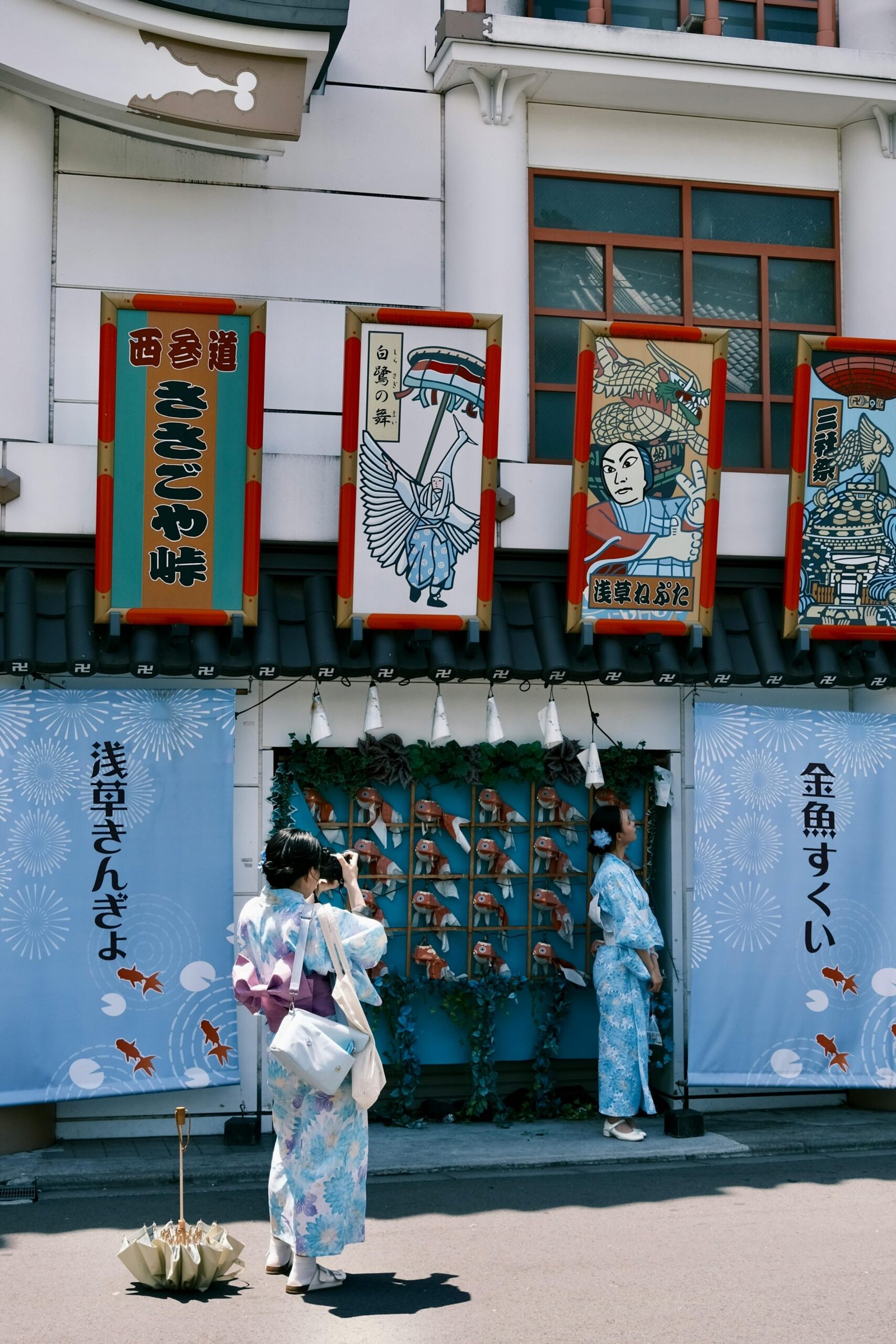
As summer begins, Japan’s parks, streets, and temples become open stages celebrating tradition, artistry, and community life. For women travellers, this period brings a rare mix of cultural discovery and ease, with events that are lively yet deeply rooted in heritage.
If you plan to travel between April and June, these early Summer Festivals in Japan showcase the country’s spirit at its most satisfactory. From lantern-lit rivers to flower celebrations, each festival displays a side of Japan that is both timeless and welcoming.
The first wave of Japan’s summer events begins just as spring fades. The weather is mild, the crowds are smaller than in peak season, and the scenery is lush and green. It is the perfect time for women travellers who want to explore authentic traditions in comfort and safety.
These Summer Festivals in Japan celebrate renewal, light, and connection with nature. Many involve age-old rituals of gratitude for harvests, water, and life itself. Below is a curated selection of festivals taking place between April and June that women travellers should not miss.
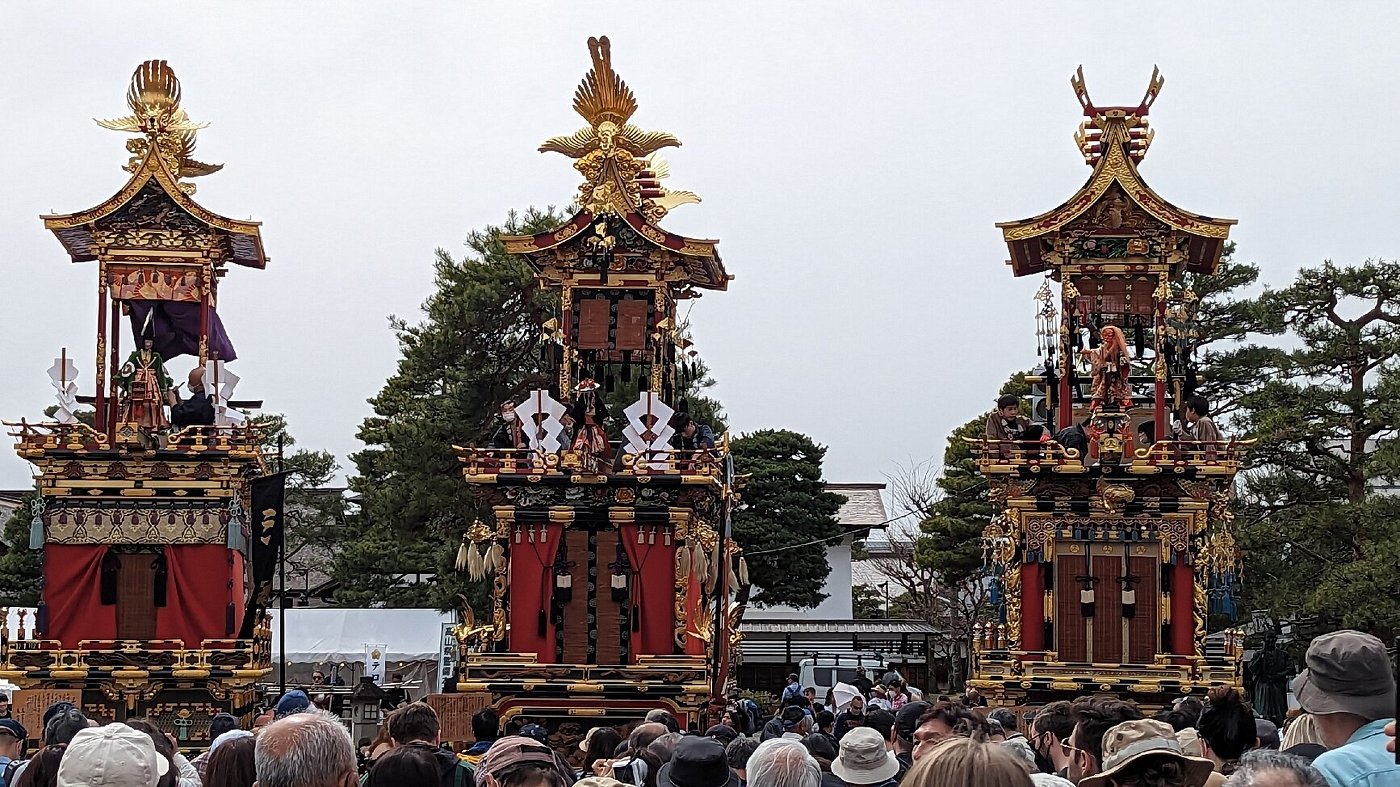
The Takayama Spring Festival, held in mid-April, marks the arrival of warmer weather in the Japanese Alps. It is one of the most admired events in the country, celebrated around the Hie Shrine.
The streets fill with beautifully decorated wooden floats, some dating back to the 17th century. Artisans spend months preparing mechanical puppets that perform during the parade, representing local legends and beliefs.
For women travellers, Takayama’s size and hospitality make it a delightful place to explore. The town is safe, walkable, and filled with small shops and cafés that display the craftsmanship of rural Japan.
Travel tip: Stay near the old town for easy access to the parade routes, and catch the nighttime float procession when lanterns illuminate the streets.
One of Tokyo’s most renowned festivals, the Kanda Matsuri, takes place in mid-May at Kanda Myojin Shrine. The event celebrates prosperity and good fortune, with more than 200 portable shrines (mikoshi) carried through the city.
Women travellers will find this festival fascinating because it combines ancient Shinto customs with Tokyo’s dynamic modern energy. The parade passes through key districts like Nihonbashi and Akihabara, offering a glimpse of both traditional and contemporary Japan.
Travel tip: The festival alternates with Sanno Matsuri each year. If you miss it, smaller related ceremonies are still held at the shrine in even-numbered years.
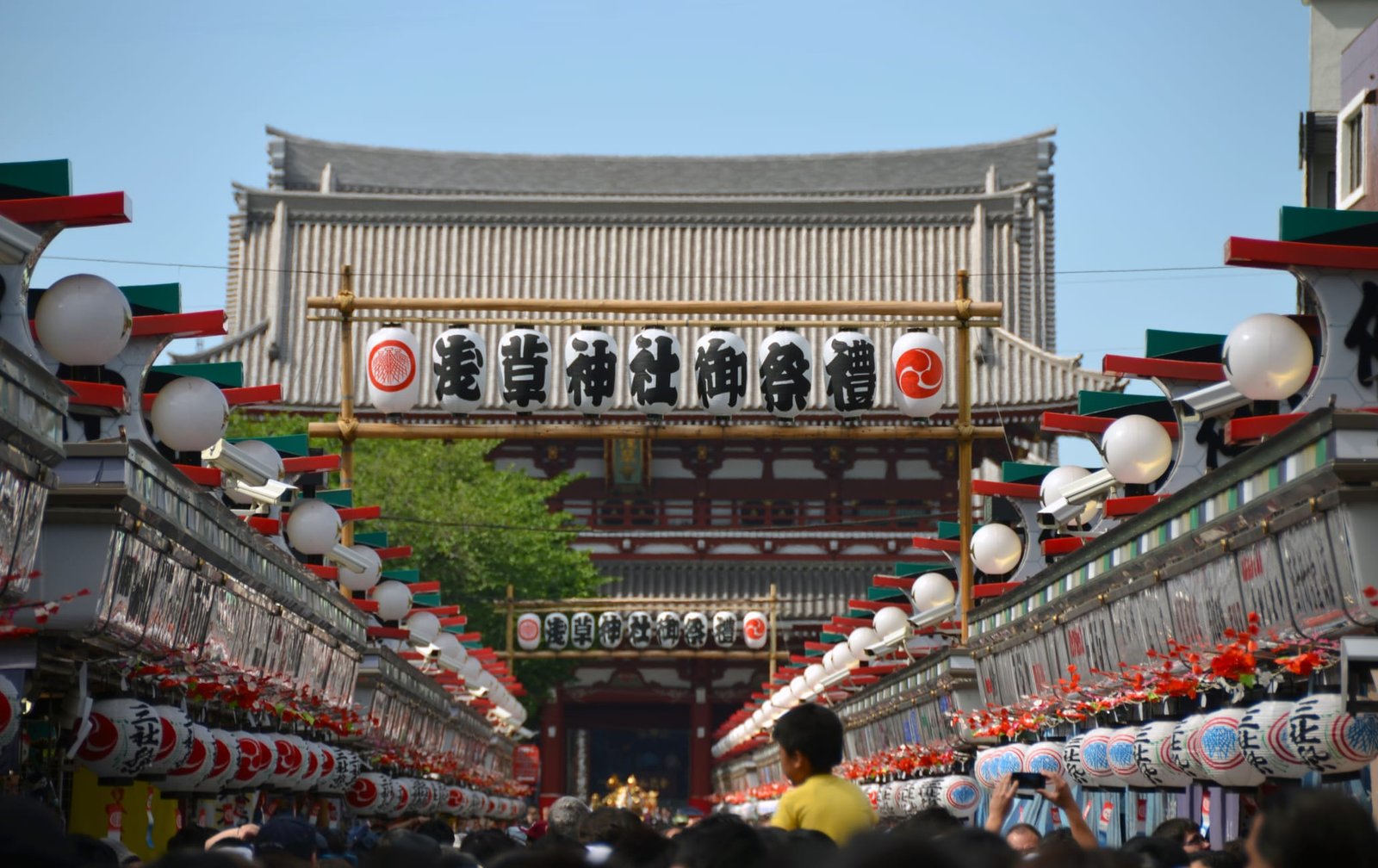
The Sanja Matsuri, held at Asakusa Shrine, is one of the most significant and most spirited Japanese summer events. It honours the three men who founded the famous Senso-ji Temple.
The energy is electrifying. Locals dressed in traditional attire carry heavy shrines through the streets while music and cheers fill the air. Despite its scale, the event is well organised and safe, even for solo women travellers.
What makes Sanja Matsuri memorable is its atmosphere of unity.
Travel tip: Visit early in the morning to see the shrines being prepared. Many tea houses nearby open early for breakfast during the festival.
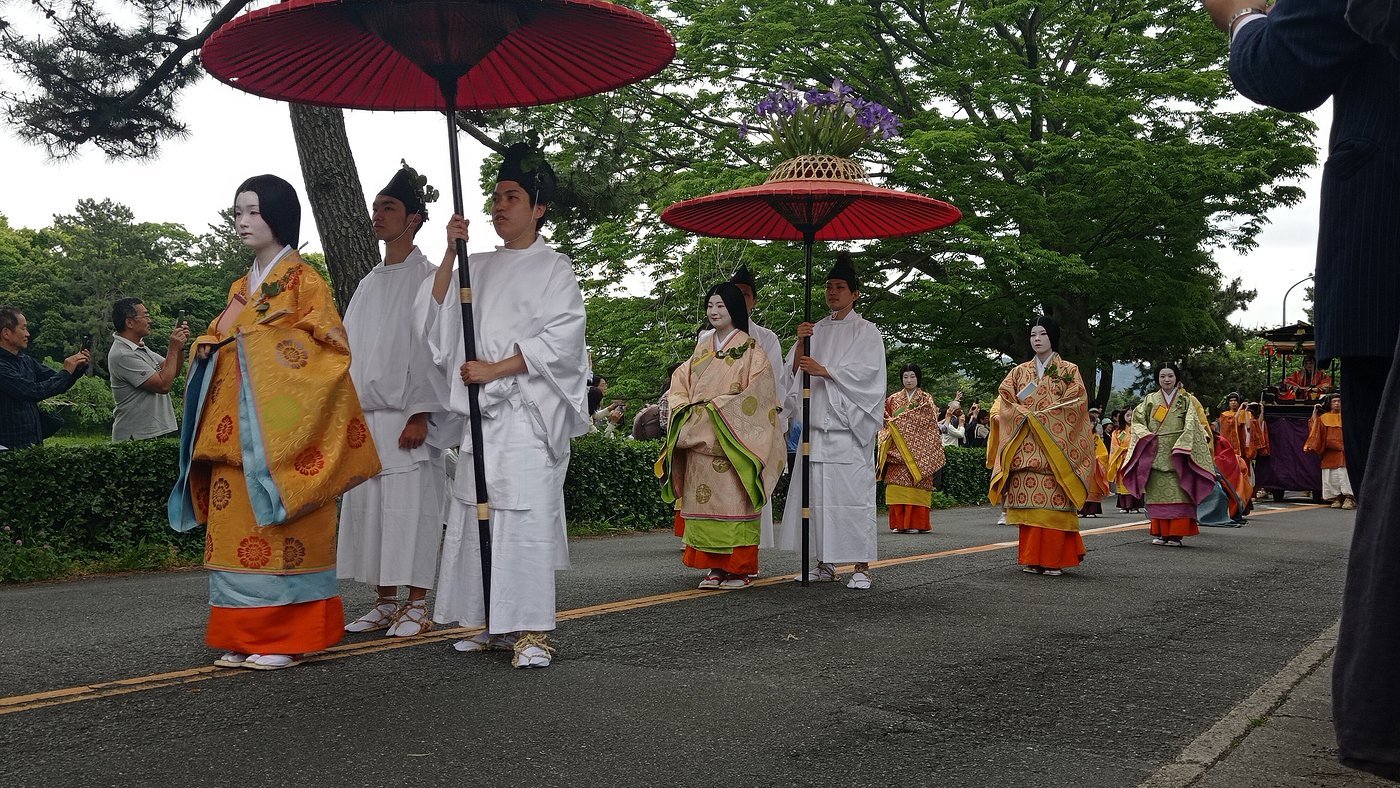
Dating back to the 6th century, the Aoi Matsuri (Hollyhock Festival) is one of Kyoto’s most graceful celebrations. The procession starts at the Imperial Palace and moves towards the Kamo Shrines, with participants dressed in exquisite Heian-era costumes.
For women travellers drawn to women’s cultural travel, this festival feels like stepping back in time. The garments are stunning, the movement is slow and ceremonial, and the entire event captures Japan’s refined aesthetic sensibility.
Travel tip: Seating along the route can be reserved in advance. The best viewing spots are near the Kyoto Imperial Palace and Shimogamo Shrine.
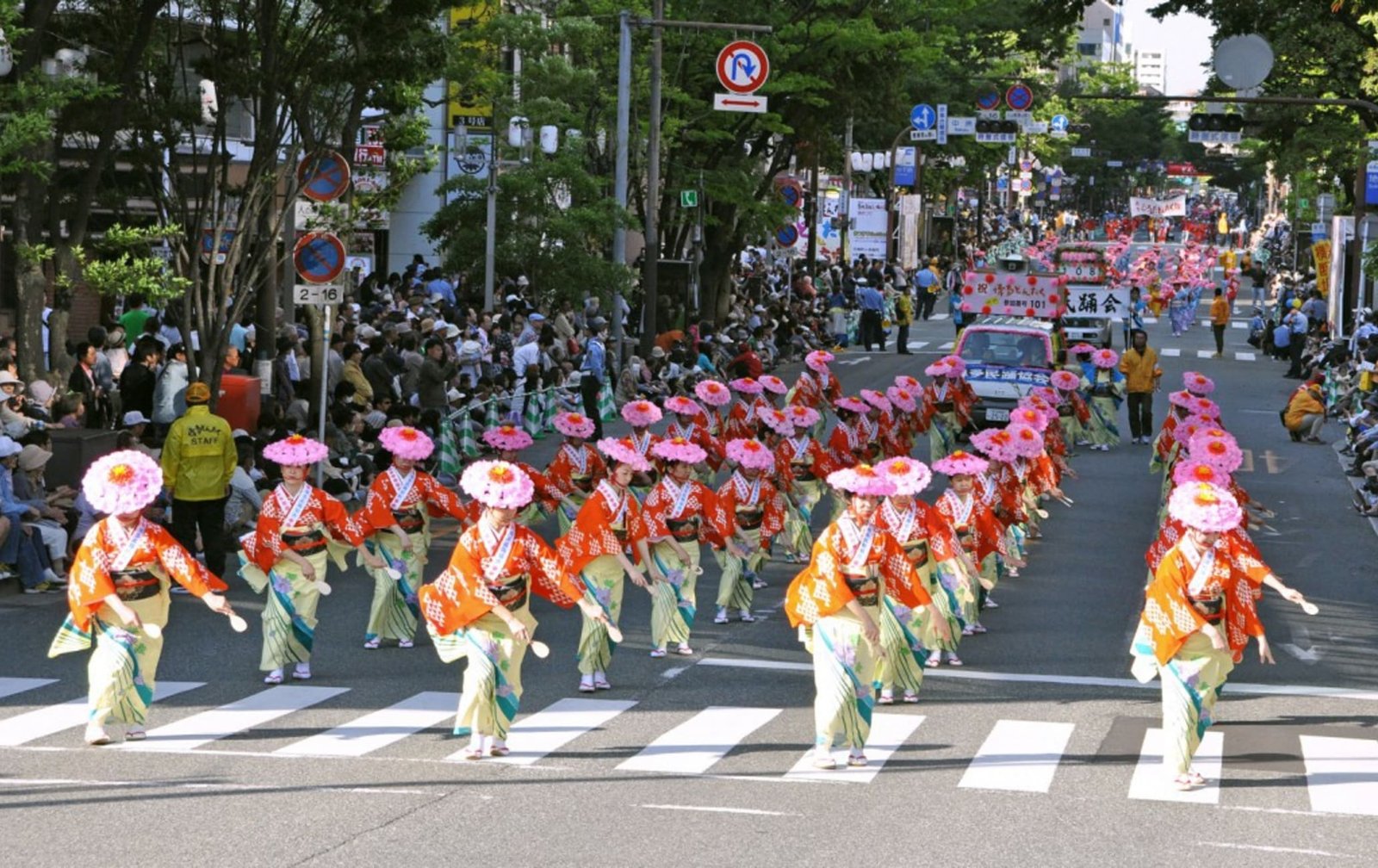
Held during Japan’s Golden Week, the Hakata Dontaku Festival is one of the country’s biggest street celebrations. Over two million people attend each year to watch parades of dancers, musicians, and elaborate floats.
Women travellers often appreciate its balance between energy and warmth. The participants wave wooden rice scoops, a symbol of good luck, while performing along Fukuoka’s main streets.
Despite its size, the festival maintains a safe and friendly environment. Local volunteers are stationed throughout the area to guide visitors and manage crowds.
Travel tip: Book accommodation close to Tenjin or Hakata Station for easy access. Evening performances by local troupes are especially charming.
Chagu Chagu Umakko is a parade featuring more than 100 beautifully adorned horses that travel from Onikoshi Sozen Shrine to Morioka Hachimangu Shrine. The name “chagu chagu” comes from the gentle sound of the horses’ bells ringing as they walk.
The festival symbolises gratitude toward horses that once played a vital role in agriculture. It is visually stunning and deeply rooted in rural life.
For women travellers, this festival’s appeal lies in its authenticity. There is little commercialisation, and locals take pride in preserving this century-old tradition.
Travel tip: Bring a hat and sunscreen—the route is long, and most spectators line the open countryside roads to watch the procession pass by.
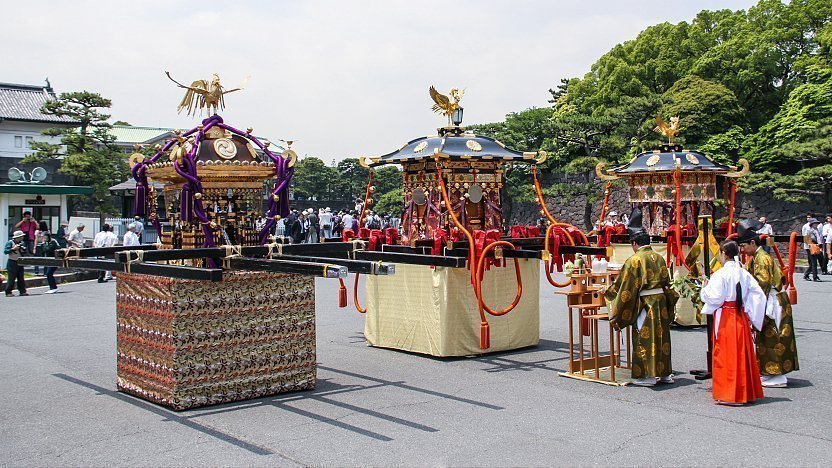
When Kanda Matsuri takes a break, Sanno Matsuri takes its place. Held at Hie Shrine, it features elegant parades, traditional dances, and Shinto rituals designed to bless the city.
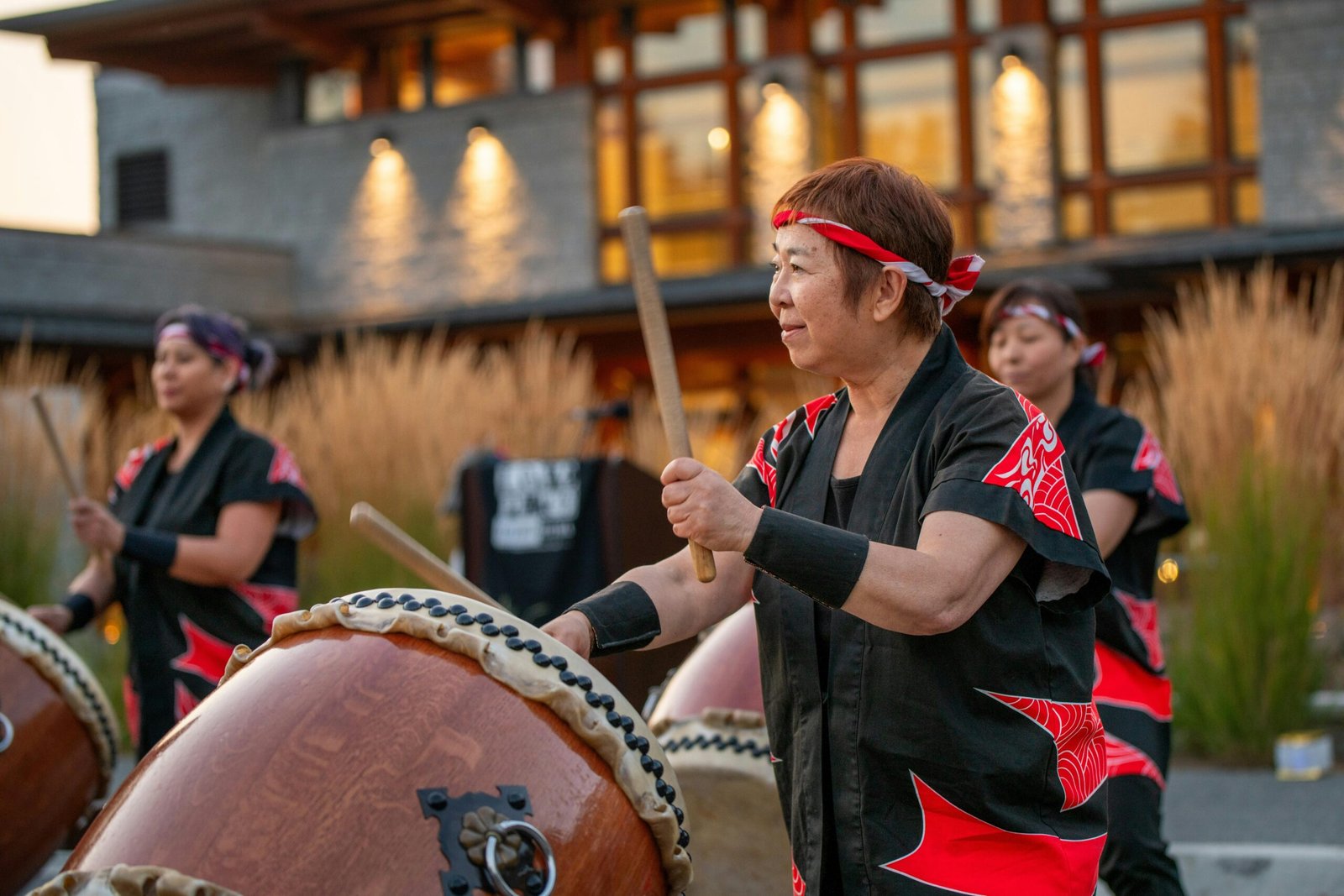
The event includes a grand procession of portable shrines through central Tokyo, accompanied by drummers, dancers, and priests in ancient attire. Women travellers usually enjoy this festival’s gentler atmosphere compared to Sanja Matsuri; it is less crowded but equally beautiful.
Travel tip: The parade route near the Imperial Palace provides a peaceful setting for photography and sightseeing.
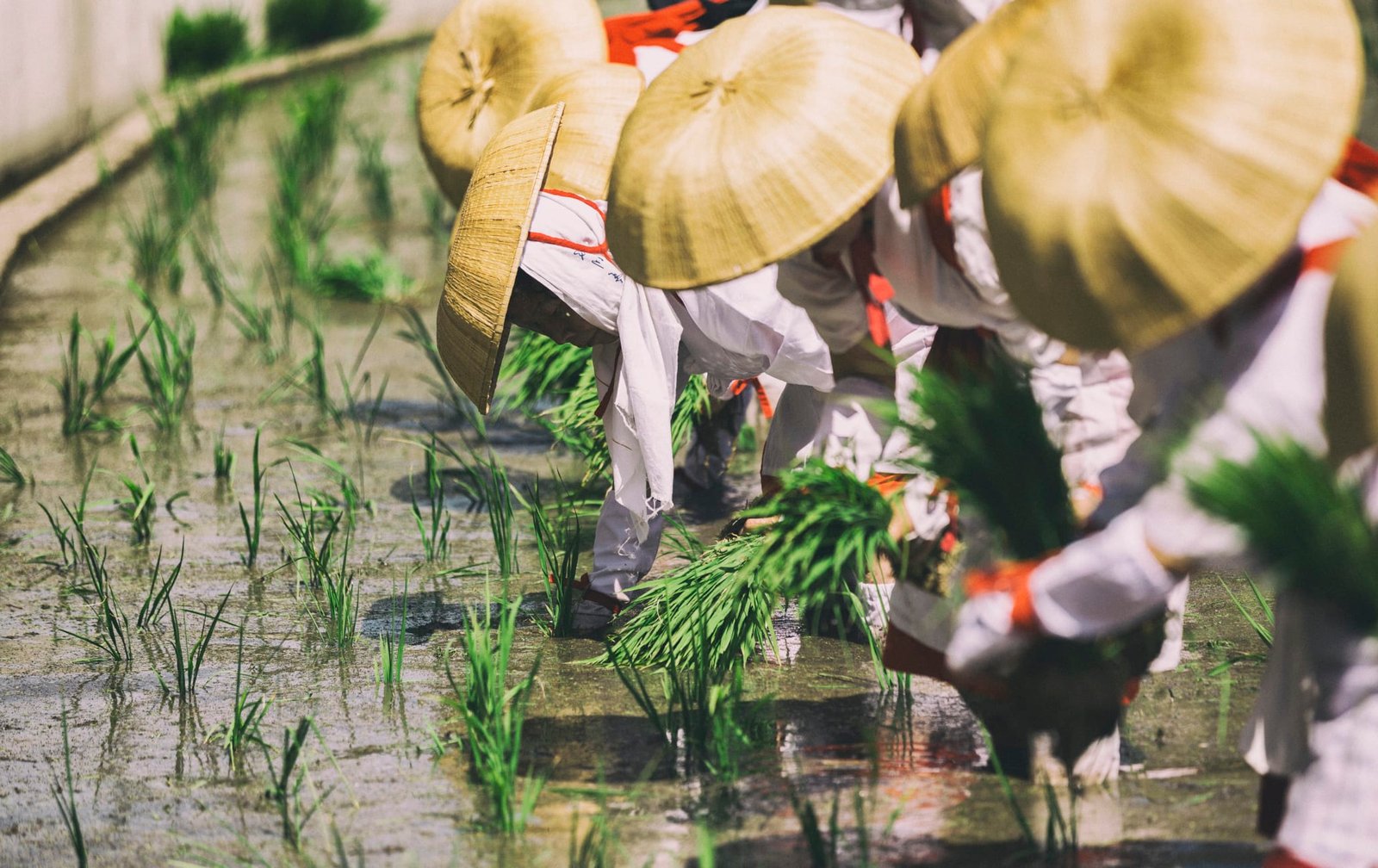
At the Otaue Festival at Sumiyoshi Taisha Shrine, participants in colourful clothing perform a ritual rice-planting ceremony accompanied by music and dance. The event symbolises the wish for a bountiful harvest and is one of Osaka’s oldest traditions.
For women travellers, this is one of the most picturesque Summer Festivals in Japan to witness. The rhythm of the drums, the bright costumes, and the spiritual setting combine to create a powerful yet graceful celebration.
Travel tip: Arrive early to secure a seat close to the rice field area within the shrine grounds. The afternoon ceremony is the most visually striking.
Japan’s early summer is ideal for women exploring on their own or in small groups. The weather is pleasant, public spaces are secure, and locals are welcoming. These festivals highlight the zeal and inclusivity of Japanese culture.
Women engaged in cultural travel will find meaning in how each celebration values community, artistry, and respect for nature. Participating in or simply observing these traditions creates a deeper understanding of everyday life in Japan beyond the popular tourist attractions.