If you walk down any street in Hongdae or Seongsu right now, you will notice something peculiar. It is not just the scent of roasted beans wafting through the air. It is the sheer visual spectacle that accompanies it. We often think of galleries or museums when we hear the term ‘modern art’, but we would argue that you simply need to step inside one of the many cafes in Seoul to witness a contemporary artistic revolution. The coffee culture in Seoul has transcended the simple act of drinking a beverage and evolved into a full sensory experience that rivals any exhibition at the Tate Modern.
Anywhere else in the world, one might pop to a local chain for a flat white and a quick catch-up. It is functional and cosy. But in South Korea, the experience is theatrical and engrossing. It is designed not just to be tasted but to be seen, felt, and remembered. The coffee culture in Seoul is a serious business, yet it is executed with a playfulness that makes it incredibly accessible. You do not need an art history degree to appreciate it. You just need a smartphone and a love for beautiful things.
More Than Just a Caffeine Fix -The Artistic Soul of Coffee Culture in Seoul
To understand why this scene is so distinctive, we have to look at the effort that goes into the spaces themselves. These are not just rooms with tables and chairs. They are curated environments. Architects and designers in Korea are treating cafes in Seoul as blank canvases.
Take the phenomenon of ‘installation’ cafes. You have places like the Rain Report in Itaewon, where it rains perpetually inside and outside the building thanks to clever engineering. It creates a moody and atmospheric setting that makes sipping a latte feel like a scene from a film. Then there is Nuldam Space, which invites you to write a letter to your future self and seal it with wax, turning a coffee break into a moment of introspection and time travel. This is Seoul coffee culture at its finest. It asks something of you and engages your senses in a way that a quick takeaway cup never could.
The level of detail is staggering. There is a famous cafe designed entirely in 2D, looking like a black and white comic book sketch. This spot, known as Greem Cafe, creates an effect where a person becomes a character in a drawing the moment they sit down. It is surreal and disorienting in the best possible way. These themed cafes are challenging the perception of space and reality, which is exactly what good modern art is supposed to do.
The Pop Culture Connection
We cannot talk about the artistic flair of these spaces without mentioning the massive influence of K-Pop and K-Dramas. This is where the cafe culture in South Korea becomes relatable and downright fun. If you have ever watched a drama and swooned over the aesthetics, you can actually step into those scenes.
Even one of the biggest bands in the world, BTS, has left a mark on the Seoul coffee culture. The cafe HyuGa is actually their former dormitory, renovated into a stunning bakery establishment. You can drink coffee in the living room where global superstars once relaxed. It adds a layer of history and storytelling to the walls that makes the visit feel significant. It is pop art in a physical form.
Aesthetics as a Language
The term ‘Instagrammable’ often gets thrown around as a bit of an insult, implying something is shallow. However, we need to reclaim it when talking about Instagrammable cafes in Seoul. The visual language here is sophisticated. It is about composition, lighting, and colour theory.
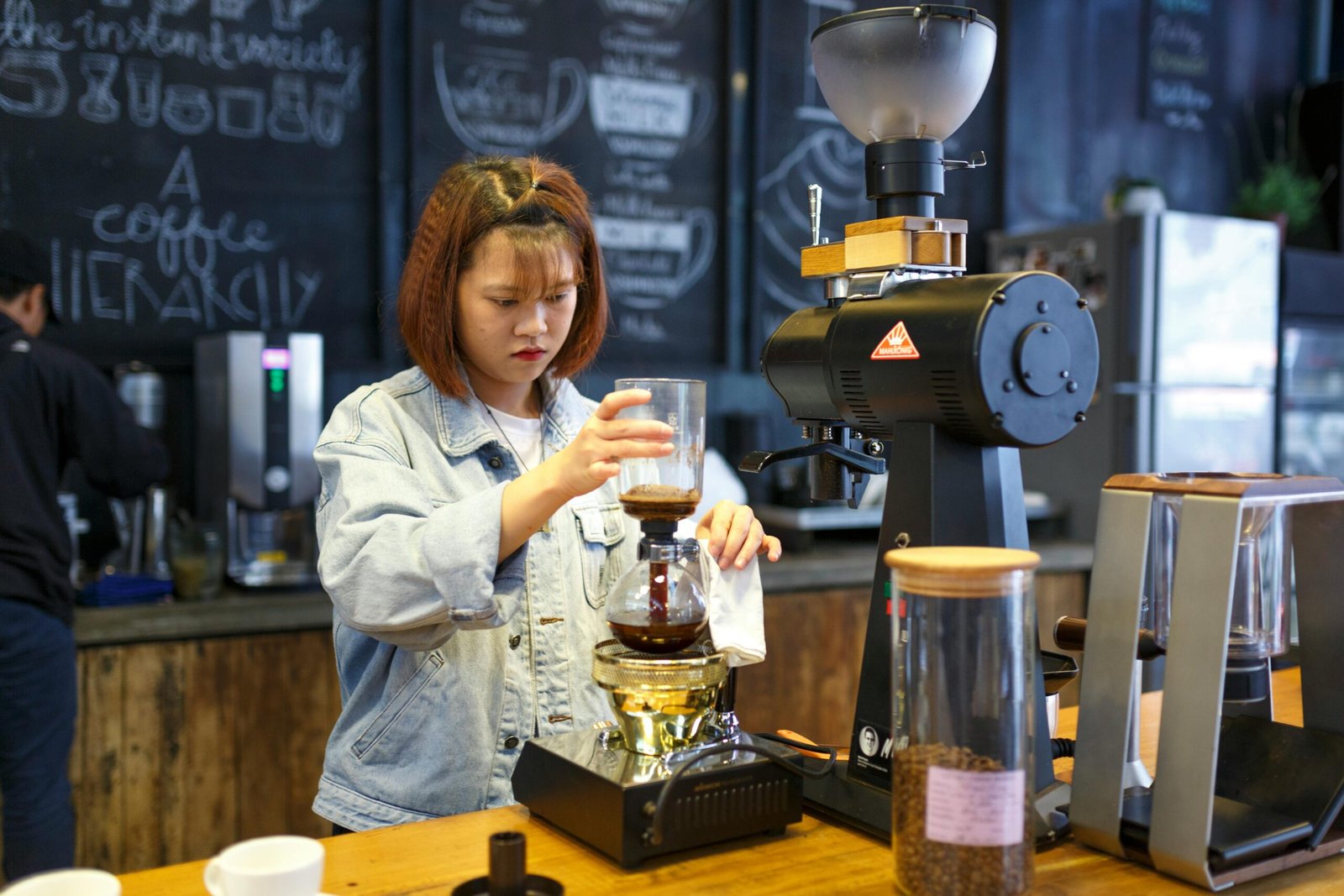
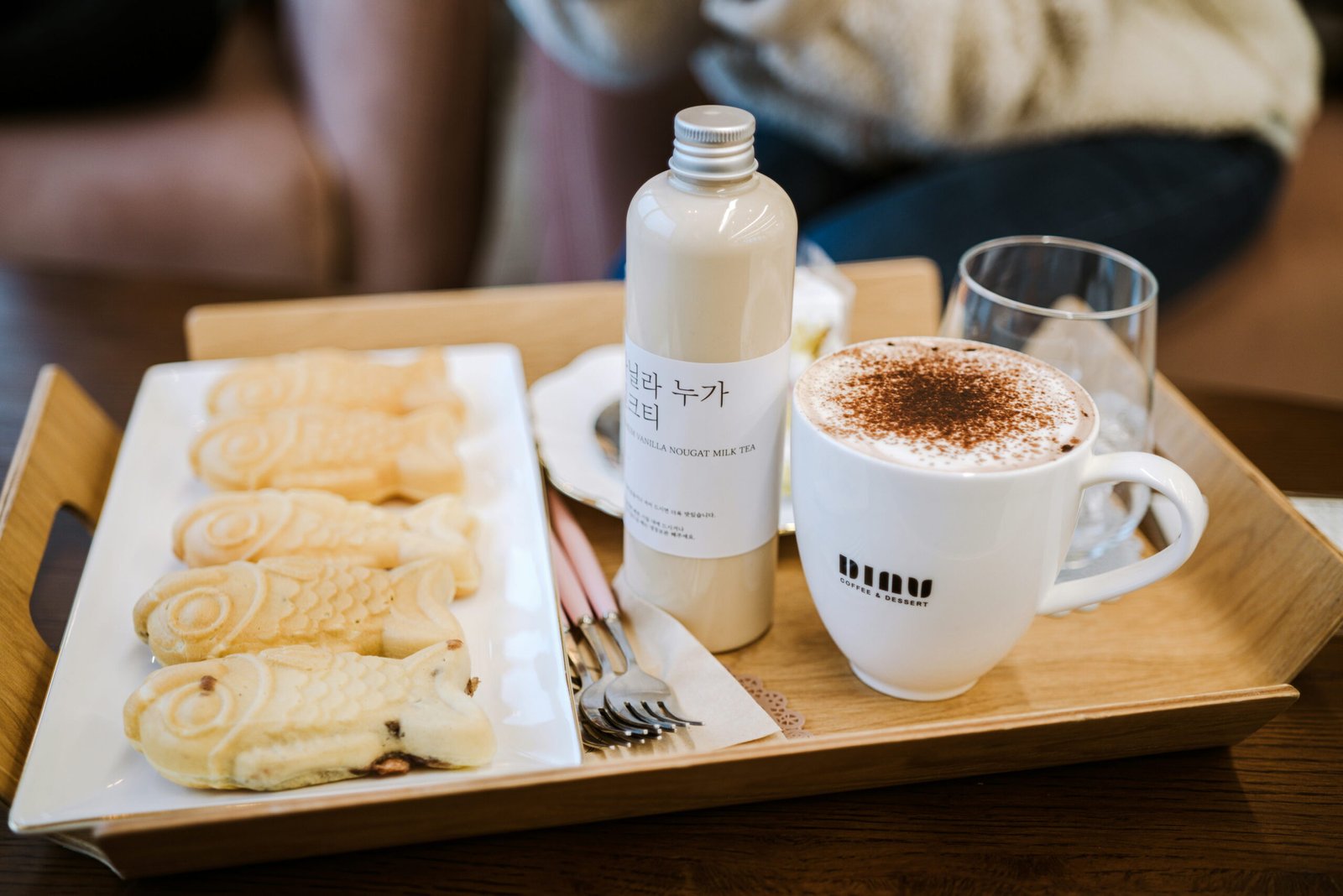
You will see desserts that look like hyper-realistic puppies, stones, or even cleaning sponges. The pastry chefs are sculptors. The baristas are chemists mixing colourful concoctions that change colour when you stir them. Aesthetic cafes in Seoul are providing affordable luxury and a daily dose of beauty.
In a fast-paced city where many young people live in small apartments, these cafes serve as extended living rooms. They are beautiful third spaces where you can escape the mundane.
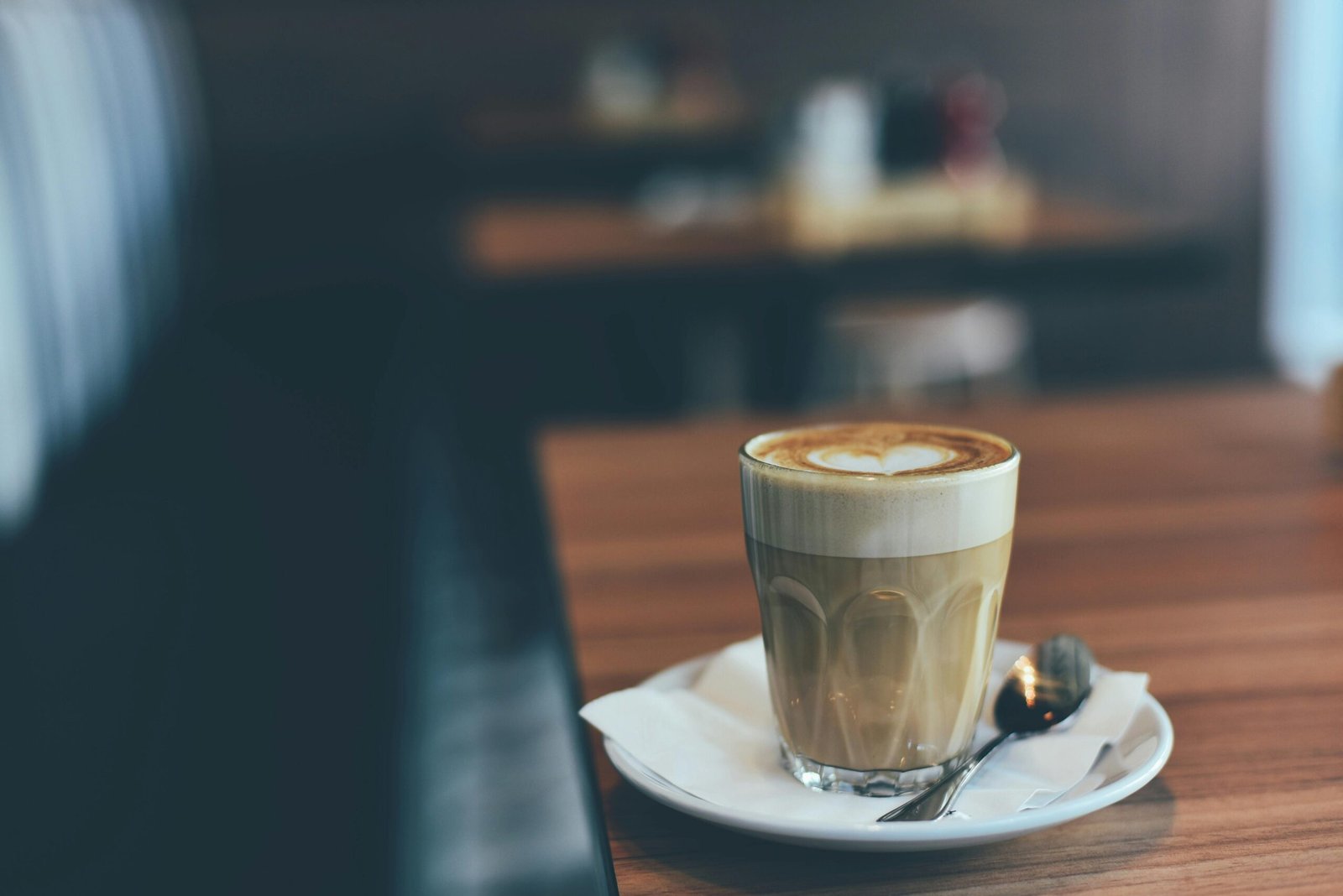
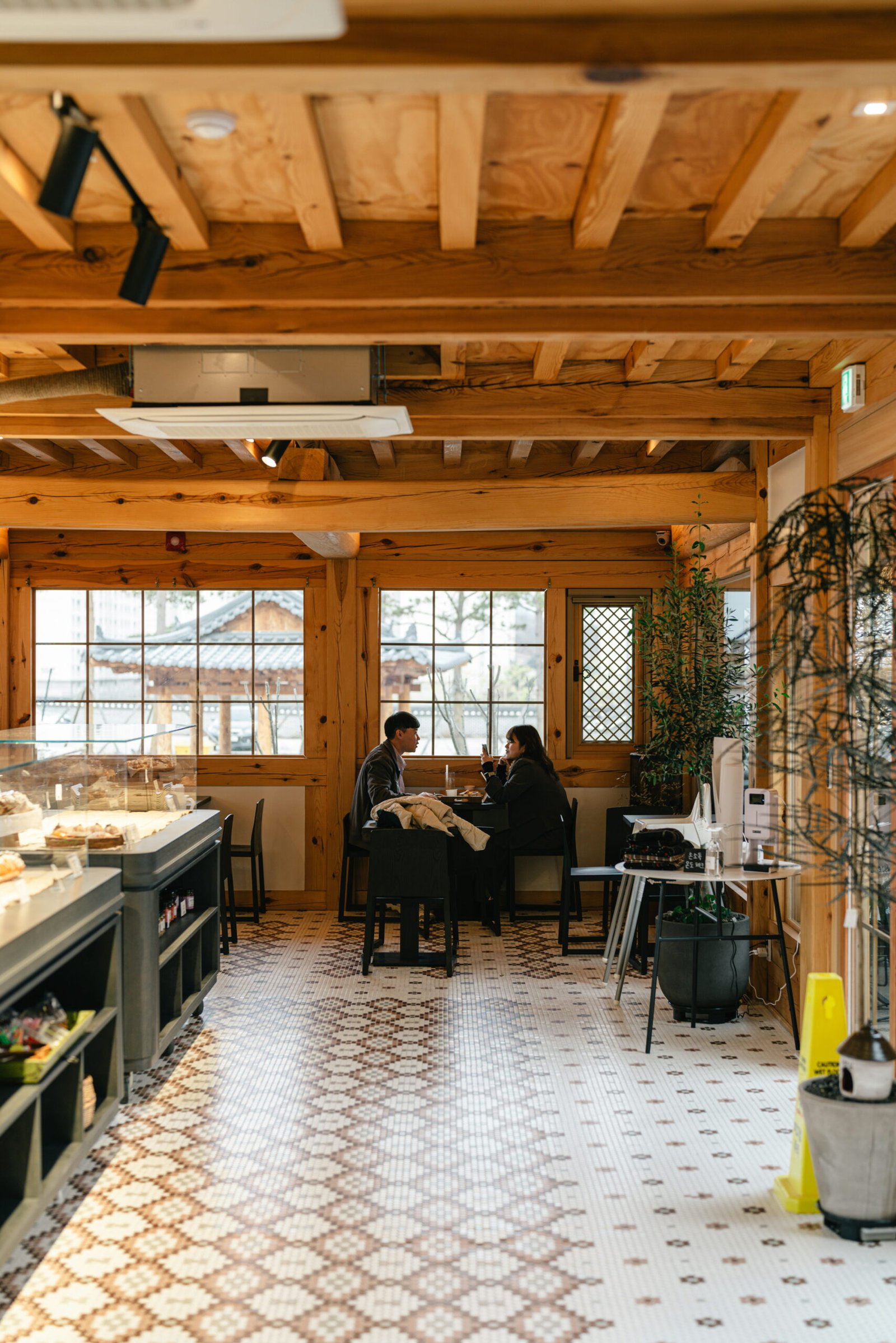
It is also a deeply social ritual. You will see groups of friends styling each other for photos, moving furniture to get the perfect angle, and sharing food that is too pretty to eat. It is a communal appreciation of art. The coffee culture in South Korea encourages you to pause and appreciate the details, whether it is the foam on your cappuccino or the way the light hits a traditional Hanok rafter at Cafe Onion.
The Traditional Meets the New
One of the most artistic aspects of Seoul coffee culture is how it blends the old with the futuristic. You have ultra-modern steel and glass structures sitting right next to (or even inside) traditional Hanok houses.
Cheongsudang in Ikseon-dong is a prime example. You walk across stepping stones over a water feature, surrounded by bamboo and hanging lanterns, to enter a traditional Korean house that serves modern soufflé cakes. It is a living juxtaposition of history and modernity. It respects the past while constantly innovating. This fusion is a hallmark of Korean creativity, and it makes exploring cafes in Seoul an endless adventure.
Why You Should Experience It
You might be thinking that this all sounds a bit intimidating or too cool for school. But the reality is quite the opposite. The vibe is welcoming, and everyone is there to enjoy the atmosphere. You do not need to be an influencer to enjoy these spaces. One only needs to be curious.
Whether you are a coffee snob who cares about bean origins or someone who just wants a strawberry or matcha latte that looks like a cloud, there is a place for you. The cafe culture in South Korea is a democratic art. It is available to anyone for the price of a drink.
If you are itching to experience this dynamic world for yourself, exploring these places with a group of like-minded women can make it even better. You can have your own dedicated photographers and friends to share the desserts with. We at
Meraki Diaries offer a fantastic
women-only South Korea tour that takes you through the heart of this incredible country, from the bustling streets of Seoul to the coastal beauty of Busan. It is the perfect way to discover your own favourite artistic nook in this coffee-obsessed nation.