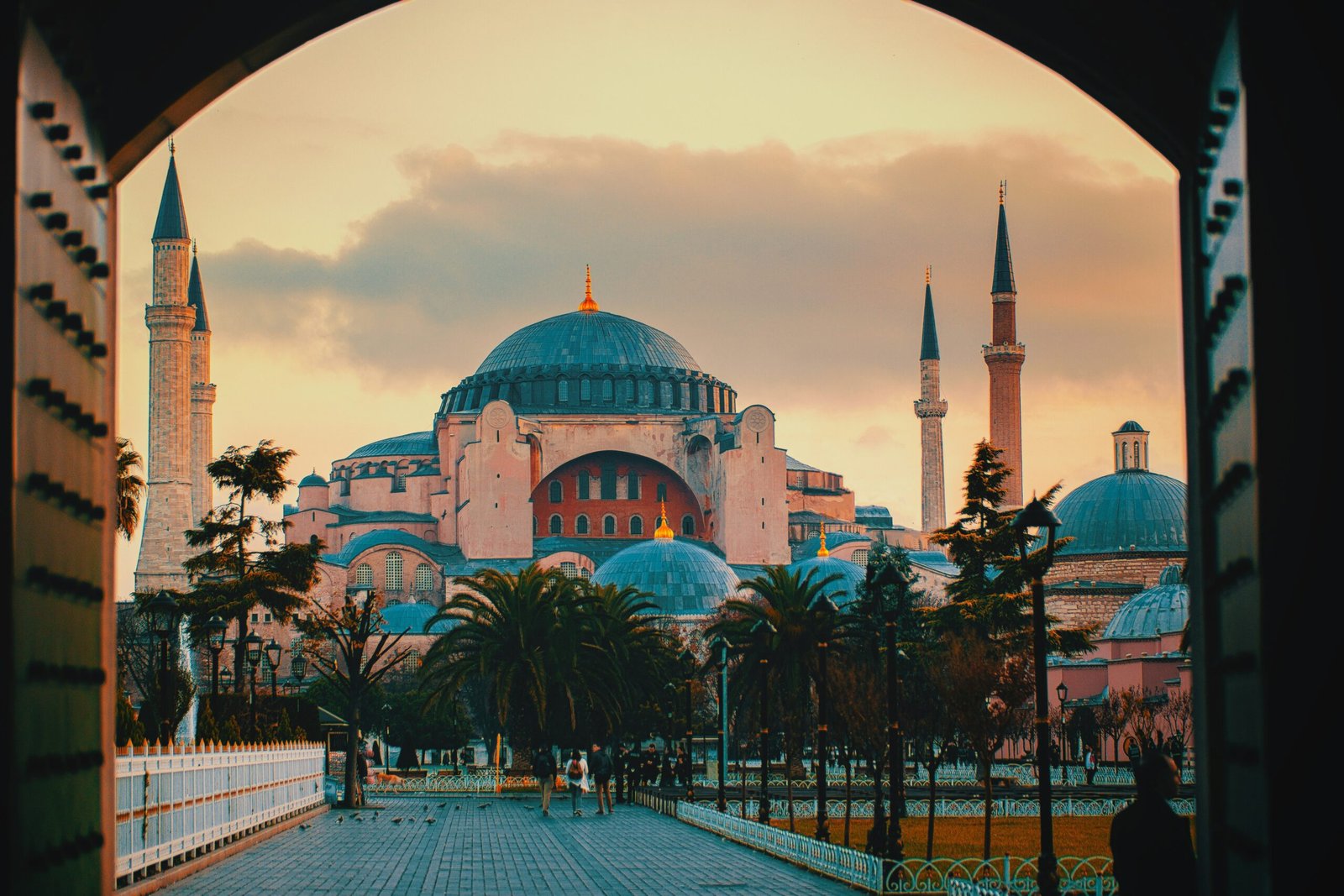
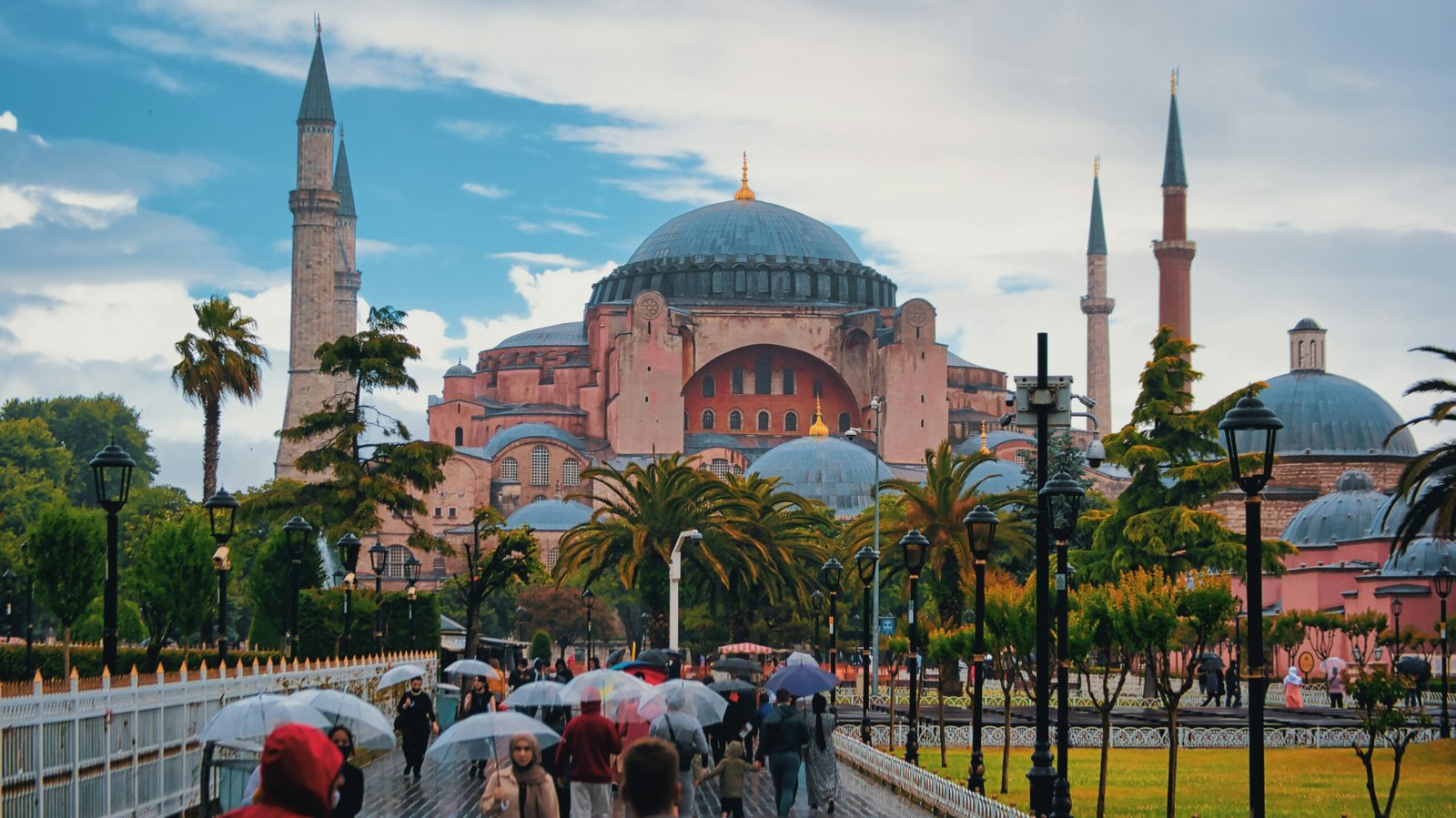
Imagine a building so loved, and fought over so fiercely, that it had four completely different lives. Not just a fresh coat of paint or new furniture, but its whole identity. Hagia Sophia, in the heart of the city we now call Istanbul, started out as a church, became a mosque, was turned into a museum, and is a mosque once again today. It has been standing for around 1,500 years, and every set of owners left their mark on it.
The name is a good place to begin, because it catches almost everyone off guard. Hagia Sophia is not named after a woman called Sophia. It means Holy Wisdom. The people who named it were not thinking of a person at all, but of the wisdom of God. For a building that has belonged to so many different groups, that feels about right. It is also the sort of place that comes alive when you explore it with others, which is why it is a favourite stop for any women’s travel group spending a few days in the city.
On Meraki Diaries’ women-only Turkey tour, Hagia Sophia is usually the first monument travellers explore in Istanbul, giving an early introduction to the city’s fascinating blend of cultures, religions and history.
The History of Hagia Sophia in Istanbul
It begins with an emperor who wanted the most magnificent building the world had ever seen. Around 1,500 years ago, the church that stood on the spot burned down in a riot, and he treated the disaster as his big opportunity. He spent a fortune, brought in the cleverest minds he could find, and had the whole thing built in roughly five years, which was lightning quick for the time.
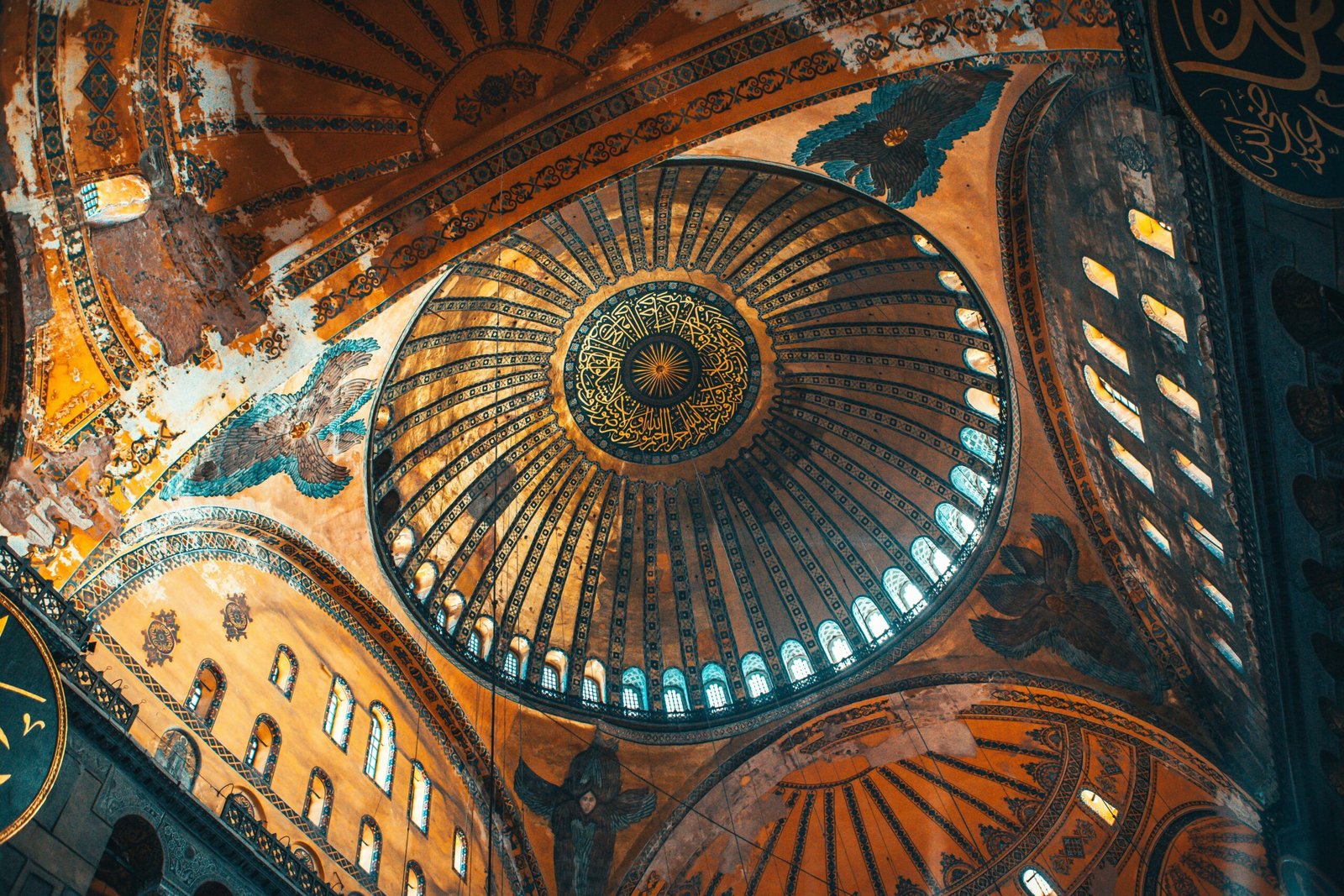
The result still stops people in their tracks. The ceiling is topped by a giant dome, a huge, rounded roof, and it sits on a ring of windows. Light pours through that ring, so the dome looks as if it is floating in the air rather than resting on anything solid. Visitors back then could hardly believe it stayed up. One writer said it looked as though it hung from the sky on a golden chain. The emperor was so delighted with himself that, the story goes, he compared his new church to the most famous temple in the ancient world, the one built by King Solomon, and declared that he had done better.
How Hagia Sophia Became a Mosque
For hundreds of years, this was the grandest and most important church in its part of the world. Then, in 1453, an army conquered the city. The new rulers were Muslim, and they turned the church into a mosque, a Muslim place of worship.
Most people assume they ripped out the old Christian decoration. They did not. The walls were covered in mosaics, which are pictures made from thousands of tiny coloured tiles, showing Jesus and the saints. Muslim prayer halls avoid images of people, so rather than destroying the mosaics, the new owners covered them with a layer of plaster and left them safe underneath. They added touches of their own, including four tall, slim towers outside, the kind used to call people to prayer. For almost 500 years, this was one of the most important mosques anywhere in the world.
Why Hagia Sophia Changed from Museum to Mosque
Move forward to the 1930s. Turkey had become a new, modern country, and its government decided this great old building should belong to everyone, regardless of what they believed. So they turned it into a museum. The plaster was taken off, the hidden Christian mosaics came back into the light, and for the first time, people could see the Christian and Muslim decoration together in the same room.
Curious enough to see it in person? Hagia Sophia sits near the top of the list on Meraki Diaries’
Quest to Turkey 2026, a women-only trip that winds from Istanbul down to the coast and across to Cappadocia.
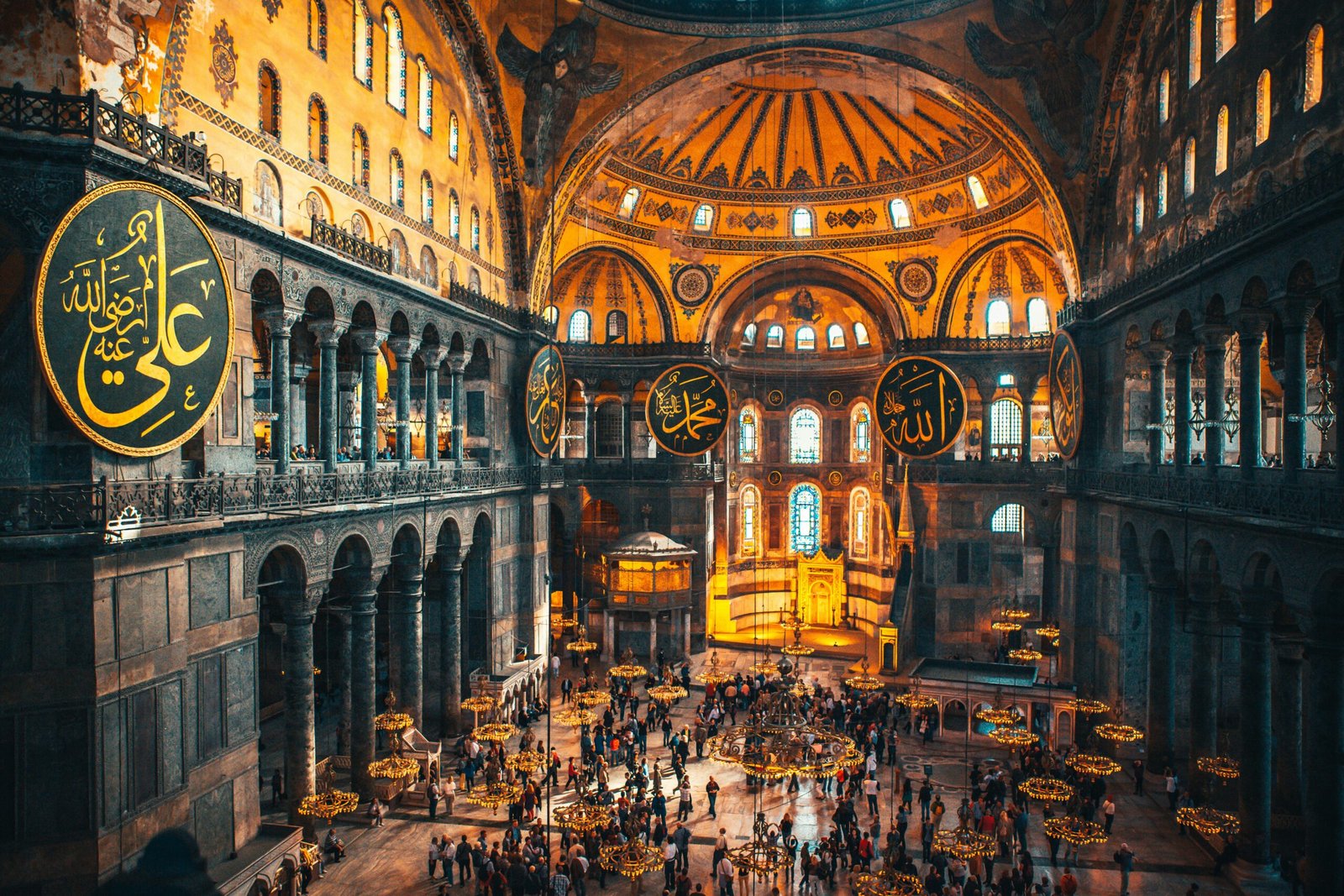
That held until 2020, when the building became a working mosque once more. The old tiled pictures are still there, disguised behind curtains during prayers and on show the rest of the time. Anyone can walk in and look around outside prayer hours, so Hagia Sophia is now living its fourth life while still showing off the other three.
Visiting Hagia Sophia Today: What Travellers Should Know
The thing that truly sets it apart needs no history lesson to enjoy. Nowhere else on earth puts two of the world’s biggest religions in one room quite like this. Look up, and you can spot a calm, golden picture of Jesus a few steps from sweeping Arabic writing, two faiths sharing a single ceiling and somehow getting along.
Then there are the small human touches that make you smile. Hundreds of years ago, the emperor’s personal bodyguards included Vikings, real Norse warriors who had travelled thousands of miles from home to serve here. One of them grew bored during a long service and scratched his name into a stone railing upstairs, much the way a restless teenager might carve initials into a desk. It is still there. The name reads Halfdan. He has been gone for about a thousand years, and his bit of graffiti has outlasted whole empires.
That combination of the grand and the human is what makes Hagia Sophia such a pleasure to wander through, ideally without rushing and with people to share it with. It is the natural first stop on any trip to Istanbul, and a strong favourite with any women’s travel group that wants more from a city than a quick photo and a tick on a list. Give it proper time. After that long and four lives, it has more than earned it.
Hours can disappear into reading about Hagia Sophia. Walking in beats every word of it. The 9-day women-only trip runs from the 18th to the 26th of September 2026 and takes a small group of ten from the streets of Istanbul to the coast and on to the dreamlike valleys of Cappadocia, hot air balloons included. Istanbul, and its most remarkable building, is where the whole thing starts.Want to experience Hagia Sophia beyond the guidebooks?
Join Meraki Diaries’ women-only Turkey tour and explore Istanbul, Cappadocia and Turkey’s most iconic landmarks with a small group of like-minded women travellers.
New to Turkey as a destination? Read our honest safety guide for women travellers before you enquire.
Frequently Asked Questions