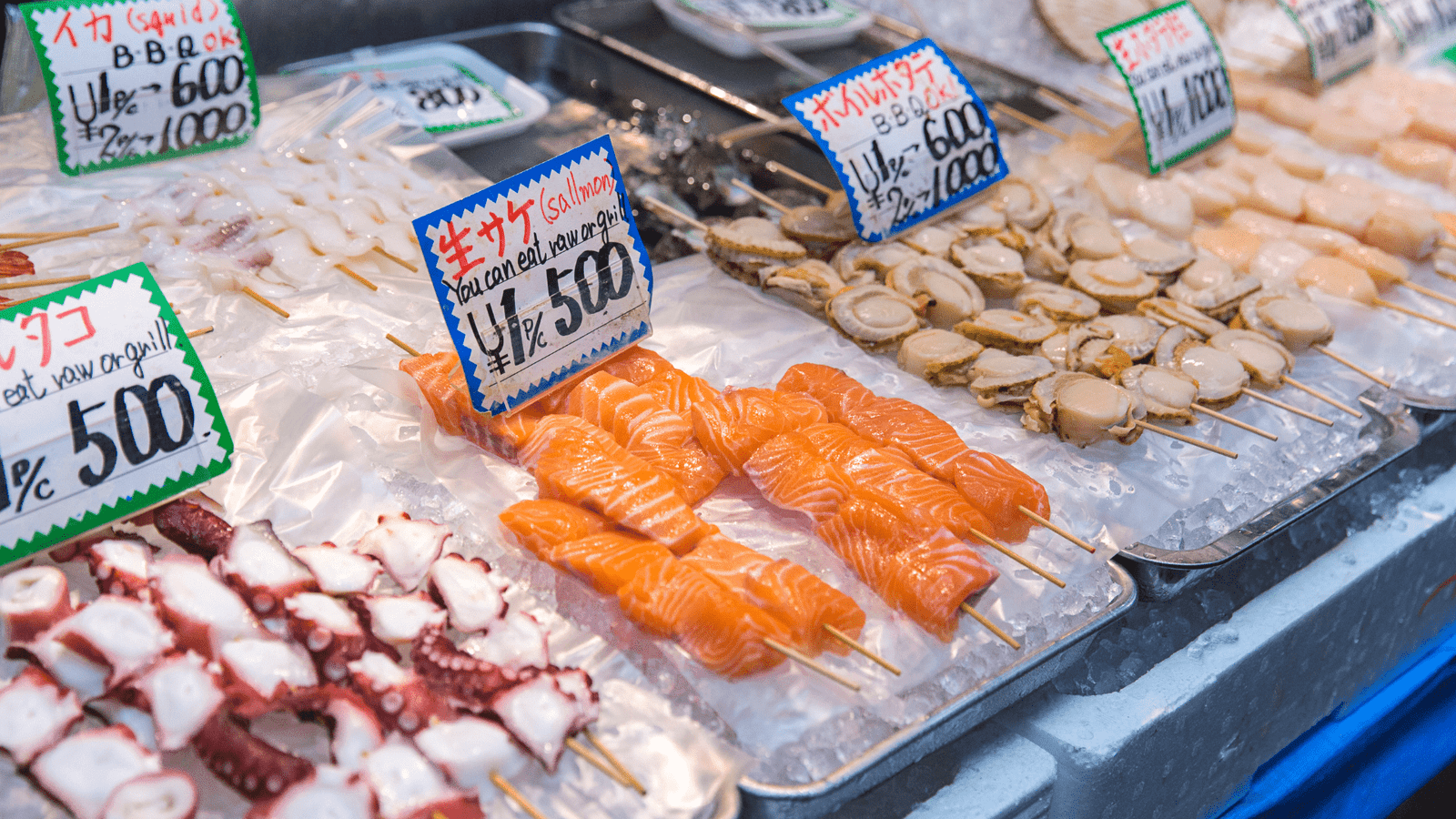
When I first stepped into the electric chaos of night markets in Osaka, I had precisely zero Japanese language skills and a belly full of anticipation. Armed with only my phone, hand gestures, and an insatiable curiosity, I quickly learned that some of the best travel experiences happen when you embrace the unknown rather than fear it. The neon-lit streets of Dotonbori felt like my classroom, while the lively stalls of the Osaka night market scene—from sizzling takoyaki counters to bustling food alleys—turned local vendors into my inadvertent teachers in the art of non-verbal communication.
Why Language Barriers Are Overrated?
Let me be honest: I was nervous before my first solo travel in Osaka. Having worked in luxury hospitality previously, I was accustomed to effortless communication. But standing in front of a takoyaki stall with a patient vendor waiting for my order, something magical happened. I pointed at the golden octopus dish sizzling on the griddle, held up two fingers, and smiled. The vendor grinned back, nodding enthusiastically. That simple exchange taught me that food is a universal language, and enthusiasm transcends words.
Osaka’s major tourist areas, particularly around Namba and Dotonbori, have English signage on many restaurant menus and transport signs. However, venturing into the city’s more authentic pockets required creativity. I quickly learned that my smartphone was my best companion. Google Maps became my consistent guide, whilst a translation app helped me decipher menu items when picture menus weren’t available.
Kuromon Market: My First Real Test
Kuromon Market, affectionately called “Osaka’s Kitchen”, stretches approximately 600 metres and houses over 100 shops. Walking through this busy marketplace without knowing Japanese felt like navigating a delicious obstacle course and became one of my most memorable Osaka night market experiences. The Osaka street food guide in my hand was helpful, but the real education came from watching other customers and following their lead.
I discovered that Japanese vendors are incredibly patient and welcoming. When I wanted to try fresh sashimi but could not read the labels, I simply pointed at what looked appealing. The fishmonger understood immediately, slicing generous portions whilst explaining something in rapid Japanese that I could not understand but appreciated nonetheless. His animated gestures and warm smile told me everything I needed to know; this was fresh, this was delicious, and I was going to love it. I was right on all counts.
Dotonbori After Dark: The Best of Night Markets in Osaka
The famous night markets in Osaka truly come alive in Dotonbori after sunset. The iconic Glico running man sign illuminates the canal, and the streets transform into a sensory wonderland. This is where I learned my most valuable lesson: you don’t need words when wonder is written all across your face.
Street food vendors along the Dotonbori arcade became my nightly pilgrimage spots. I mastered a few essential phrases that opened doors (and secured better portions). “Sumimasen” (excuse me) got vendors’ attention, whilst “sore o onegaishimasu” (that one, please), paired with pointing, became my ordering superpower.
Understanding Queue Culture and Payment Systems
One aspect of travelling in Japan that doesn’t require language is observing and respecting local customs. Japanese queue culture is impeccable, and I learned quickly that orderly lines form naturally, even at busy street food stalls. Nobody pushes or shoves; everyone waits their turn with great patience.
I invested in a Suica card early in my trip, which proved invaluable. This prepaid travel card worked not only on public transport but also at convenience stores and some food stalls, significantly reducing my need for verbal communication during transactions. When cash was required, I learned to have small bills ready and to place money in the tray rather than handing it directly to the cashier, a small gesture of respect that’s appreciated in Japanese culture.
The Power of Visual Menus
Many establishments in Osaka’s night markets feature plastic food models displayed outside, a godsend for non-Japanese speakers. These incredibly detailed replicas showcase exactly what you’ll receive, eliminating guesswork. I found myself photographing menu boards with prices, using my translation app to understand them later, then ordering with confidence.
When visual aids weren’t available, I discovered that showing photos from food blogs or Instagram posts worked brilliantly. Vendors would immediately recognise their dishes and nod enthusiastically, sometimes even improving the presentation to match the photograph.
What I Packed in My Non-Verbal Communication Kit
For my
women-only Japan tour guests, I always recommend specific tools that saved me countless times and now form the backbone of my personal Osaka street food guide. A pocket-sized phrasebook with essential food terms proved more reliable than my phone when battery life dwindled. I photographed important phrases and kept them in my phone’s photos for quick access offline.
I also learned to screenshot restaurant locations and names in Japanese characters. When asking for directions, showing these screenshots to locals was far more effective than trying to pronounce Japanese place names. Google Maps street view became my pre-trip research tool, helping me identify landmarks near restaurants so I could recognise them in person.
The Unexpected Benefits of Not Speaking Japanese
Paradoxically, my language limitation became an asset. It forced me to be more observant, more present, and more creative, which I came to deeply value during my solo travel in Osaka. I noticed details I might have missed if I had been confidently chatting away, the way vendors shaped takoyaki balls with practised precision, the camaraderie between regular customers and shop owners, and the subtle show of respect that governs every transaction.
Not speaking Japanese also made me more approachable. Other travellers would strike up conversations, sharing their own discoveries and recommendations.
Your Turn to Explore
My experiences at Osaka night markets taught me that the best journeys happen outside our comfort zones.
If you’re dreaming of experiencing Japan’s magic yourself, I invite you to join us on our women-only Japan tour during the
cherry blossom season. At
Meraki Diaries, we’ve designed this journey for women who want to explore Japan’s beauty with the perfect balance of guidance and independence. You’ll have the support of our expert team whilst still enjoying those authentic moments of discovery that make solo exploration so rewarding. We’ll navigate the language barriers together, share insider tips I’ve gathered through years of travel, and create space for you to build your own stories in Osaka’s night markets and beyond.