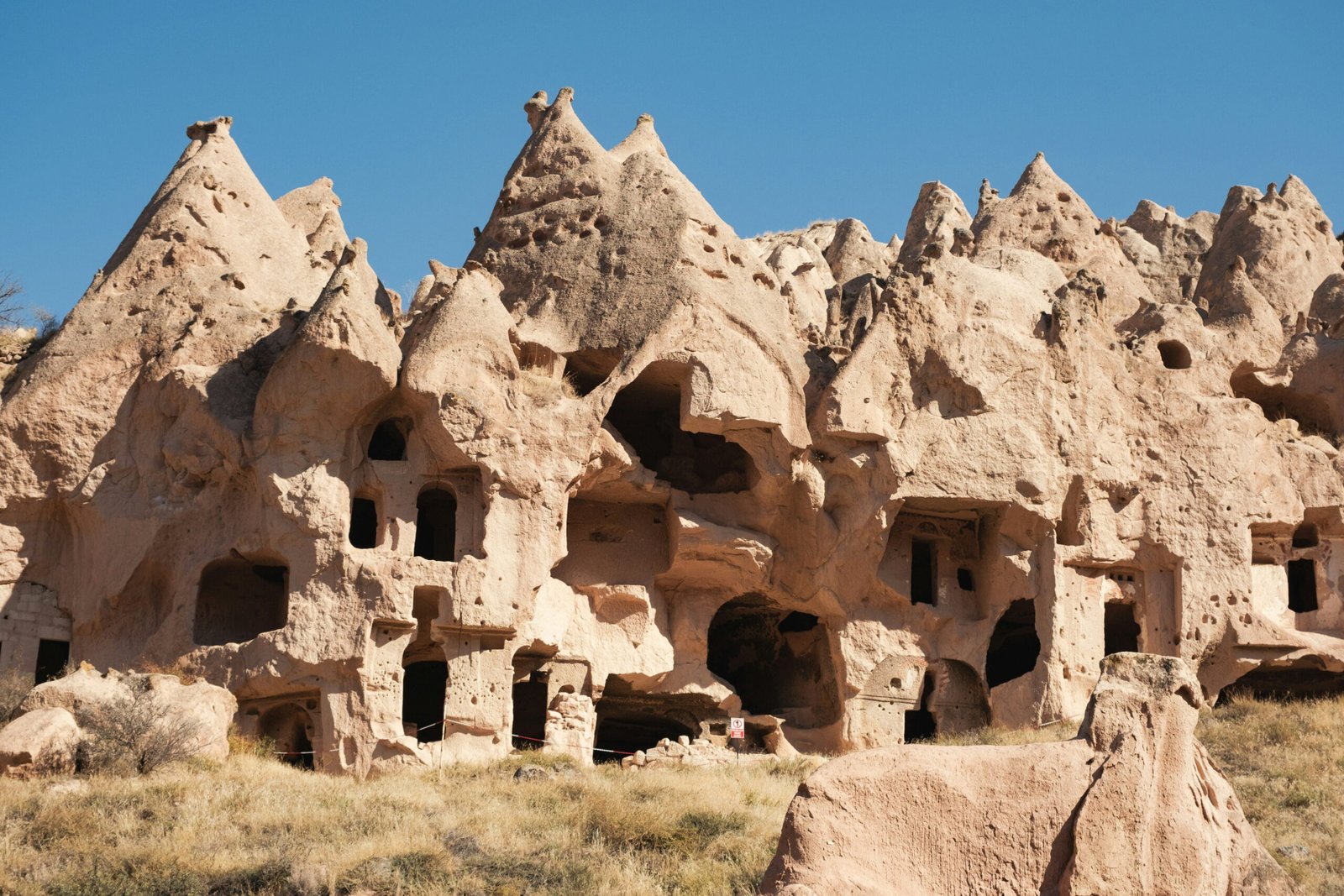
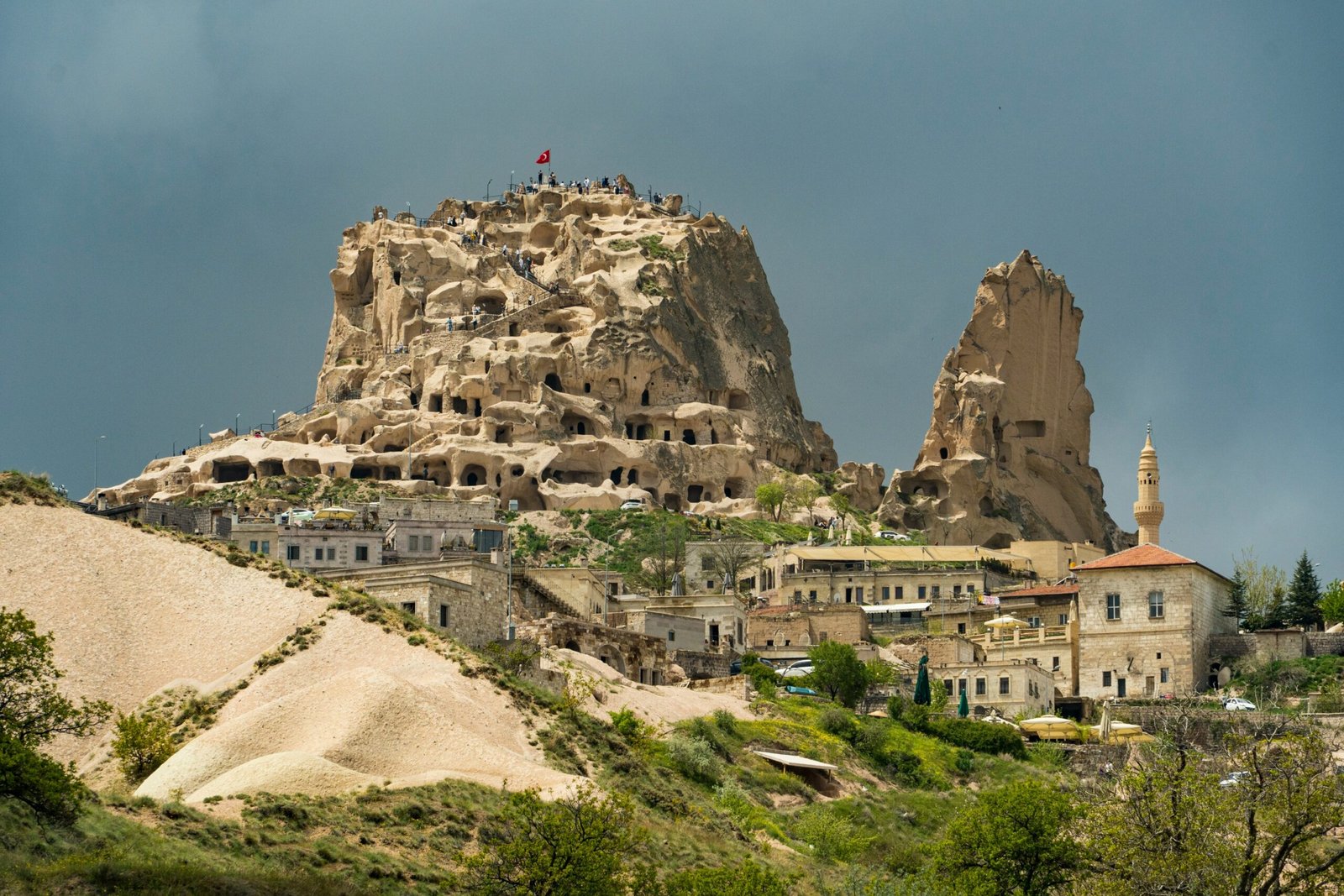
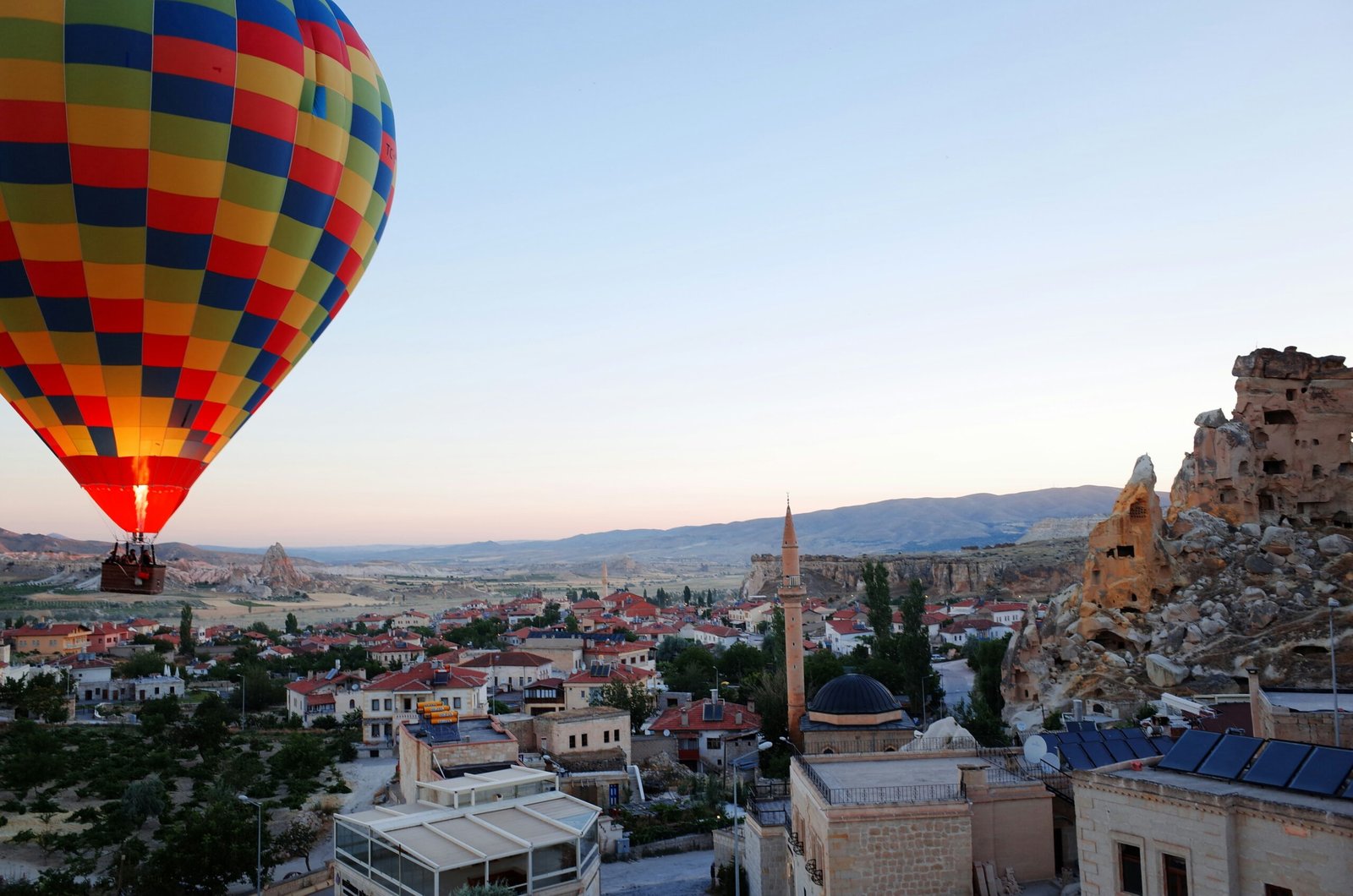
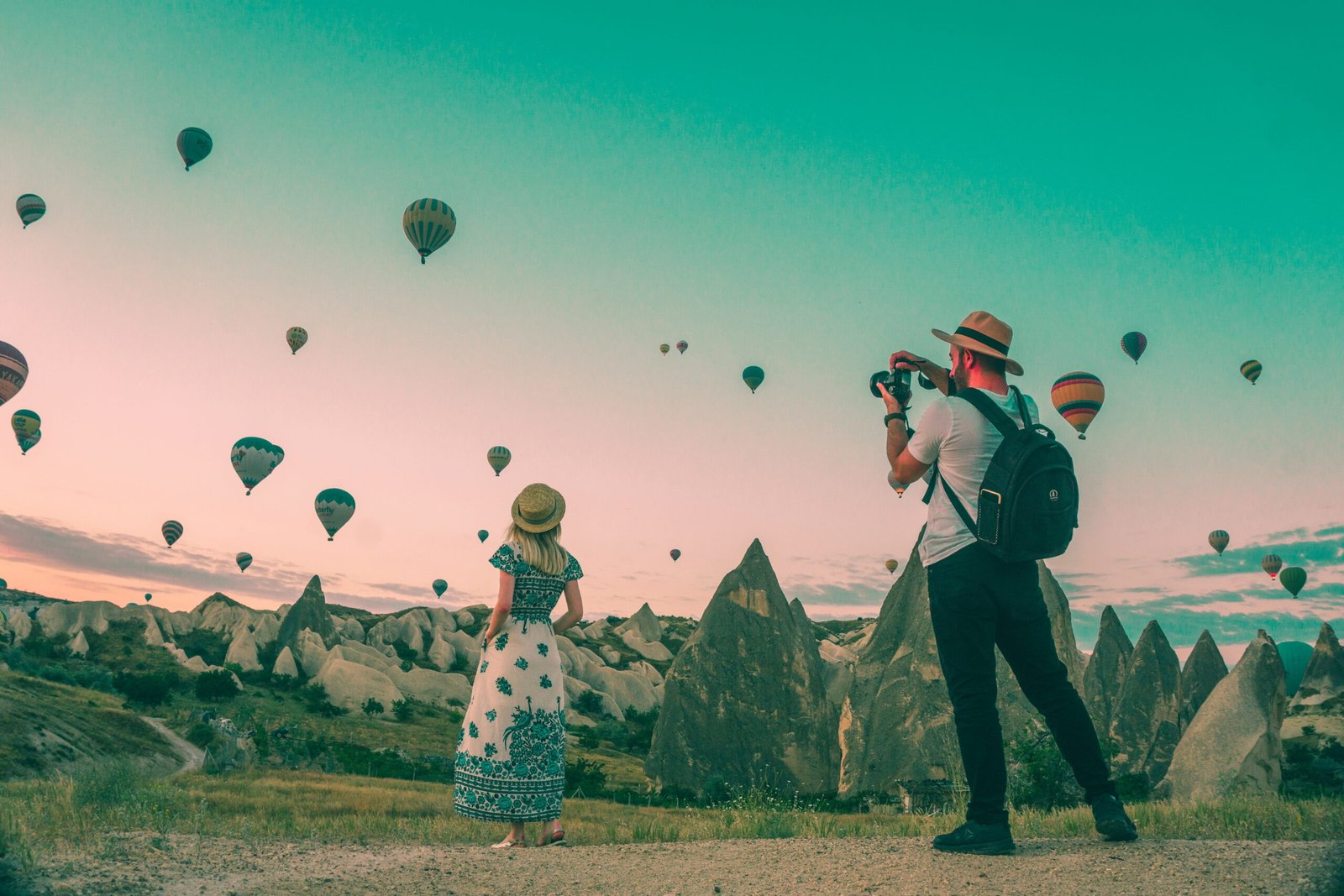
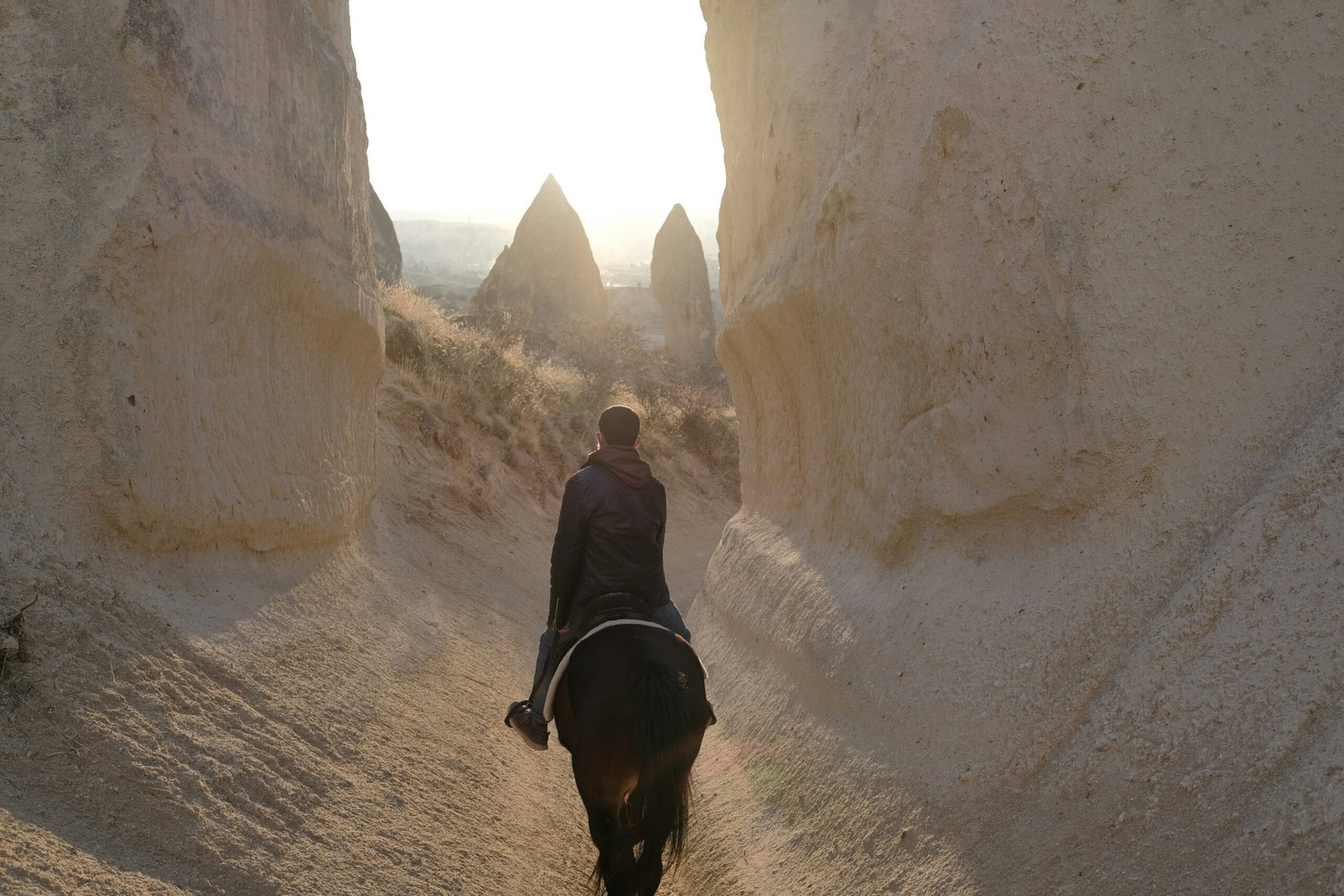
The sparkling blue waters of the coast and the grand mosques of Istanbul are what bring most travellers to Turkey, and they are worth the journey. But the centre of the country has a different side to show, one that sits beneath the ground rather than above it. The underground cities of Cappadocia are not just a few dusty caves where people hid their spare grain; they are massive, multi-storey urban labyrinths that descend so deep into the earth they make your modern basement look like a shallow puddle.
If you have ever wondered what it would be like to live in a world where your neighbours are literally above your head, and your commute involves a series of vertical shafts, then this part of Turkey is about to blow your mind. It is a place where humans decided that the best way to deal with invading armies was to simply vanish into the floor, taking their families, their livestock, and their wine along for the ride.
Why was everyone obsessed with the underground cities of Cappadocia?
The history of these Cappadocia hidden cities is a bit of a mystery, mostly because when you live in a hole in the ground, you do not tend to leave a lot of grand monuments behind. However, historians generally agree that the first tunnels were started by the Hittites or perhaps the Phrygians thousands of years ago. By the time the early Christians showed up, they had turned these simple caves into a sophisticated network of hideouts to escape Roman and later Arab raids.
It was the ultimate “panic room” on a communal scale. When a lookout spotted dust on the horizon, the entire village would pack up their belongings and disappear. They would pull massive, circular stone doors across the tunnels that could only be opened from the inside, effectively turning the mountain into an impenetrable fortress.
This was not just about hiding for a few hours until the danger passed. These cities were designed to be lived in for months at a time. They had ventilation shafts that went down eighty metres to ensure everyone stayed breathing, and they had deep wells for fresh water that were clever enough not to connect to the surface, so enemies could not poison the supply. Any decent Cappadocia travel guide will tell you that the sheer engineering required to carve these spaces out of volcanic rock without the whole thing collapsing is nothing short of miraculous. The rock, known as tuff, is soft enough to carve with hand tools but hardens when it comes into contact with air, making it the perfect material for a subterranean skyscraper.
Descending into the madness of the Derinkuyu underground city
If you really want to test your nerves and your leg muscles, the Derinkuyu underground city is the one you need to explore. This is the deepest excavated site in the region, dropping at least eighteen levels into the earth, though only about eight are open to the public. At its peak, this place could house about twenty thousand people. Just think about that for a second. That many people living, cooking, and sleeping in the dark while an army searched for them just a few metres above.
Inside the Derinkuyu underground city, you will find everything from stables on the upper floors to churches and schools deeper down. There is even a massive cruciform church that shows just how dedicated these people were to maintaining their way of life, even in the shadows. The air is surprisingly cool and fresh, which is a bit of a shock when you realise how much rock is sitting on top of you. It is a strange, muffled world where the sounds of the surface disappear, and you are left with the silence of the stone. It is also a bit of a workout; you will find yourself ducking and weaving through tunnels that were clearly designed for people who were significantly shorter and more nimble than the average modern traveller.
Getting lost in the Kaymakli underground city layout
While Derinkuyu wins the prize for depth, the Kaymakli underground city is the king of complexity. It is wider and more spread out, with a layout that feels a bit more like a messy ant-hill than a planned city. The tunnels here are narrower, and the rooms are more interconnected, suggesting a very tight-knit community where privacy was basically non-existent. You can still see the blackened areas on the ceilings where oil lamps once burned and the deep grooves in the floors where heavy stone doors were rolled back and forth.
One of the most fascinating parts of the Kaymakli underground city is the industrial area. You can find massive granite blocks with holes in the middle that were used for crushing copper or grinding grain. There are also dozens of storage vats for wine, which proves that even when you are hiding for your life in a dark hole, you still need a good drink to keep the spirits up. These Cappadocia hidden cities were not just grim bunkers; they were places of life, production, and community. The inhabitants were not just surviving; they were thriving in their own rocky, dark way. It is this human grit that makes the tunnels feel alive even today.
Tips for your own Cappadocia travel adventure
Navigating these tunnels requires a bit of common sense and a lack of claustrophobia. If you are the kind of person who gets nervous in a lift, you might want to stick to the upper levels where the rooms are larger, and the exits are close by. For everyone else, the deeper you go, the more interesting it gets. You should definitely wear sturdy shoes because the ground is uneven and can be a bit slippery in places. Also, keep your head down.
The tunnels were built for defence, and that usually meant making them low so that invaders would have to stoop, making them easy targets. You do not want to end your holiday with a giant bruise on your forehead because you forgot you were not in a modern hallway.
A pro tip for any Cappadocia travel plan is to visit these sites either very early in the morning or just before they close. The big tour buses usually arrive in the middle of the day, and nothing ruins the “mysterious ancient vibe” faster than being stuck in a narrow tunnel behind fifty people in neon t-shirts taking selfies. If you time it right, you can experience the silence of the caves properly.
There is something really eerie and wonderful about being alone in an underground room that hasn’t changed in a thousand years, listening to the faint drip of water and imagining the whispers of the people who used to call this place home.
Exploring the soul of Turkey with Meraki
The real magic of Turkey is not just in the things you can see, but in the things you can feel. It is a country that has been reinventing itself for thousands of years, and nowhere is that more obvious than in the caves of Cappadocia.
For those who want to see these wonders without the stress of planning every tiny detail, our
Quest to Turkey 2026 tour offers a way to dive deep into the culture and history of the region. It is about more than just ticking boxes on a map; it is about putting your heart and soul into every experience.
When you emerge from the Derinkuyu underground city and feel the warm Turkish sun on your face, the world looks a little bit different. You start to realise that the hills around you are not just beautiful rock formations, but historical monuments that are literally hollowed out with the stories of the past. Even today, locals use these caves to store their lemons and potatoes because the natural temperature is better than any modern fridge. It is a living, breathing landscape where the past is always just an inch beneath the surface.
Taking a piece of the cave's silence back to the surface
Whether you prefer the vertical depths of the Derinkuyu underground city or the sprawling maze of the Kaymakli underground city, you are in for an experience that is unlike anything else on the planet. These sites remind us that humans are incredibly resilient and creative when they need to be. We don’t just build up; we build down, sideways, and around whatever obstacles nature throws at us.
Turkey is a place that rewards the curious and the brave. If you are willing to duck through a few low doorways and get a little bit of dust on your boots, you will find a version of history that is far more exciting than anything you ever read in a textbook. So, grab a torch, mind your head, and get ready to discover what is hiding in the dark. These Cappadocia hidden cities have been waiting for you for a long time, and they still have plenty of secrets left to tell.
Contact us today to book your spot on the next women-only Turkey tour.