
Travel around the world has changed in a specific way over the last decade. Saved-Reels folders now come before bookings. Bookings come before destinations. Where someone goes is increasingly chosen for how it will photograph rather than for what it presents. This is the era of Instagram Holidays and they have become the default mode of travel for many Indian women in their twenties and thirties. Its alternative, increasingly known as mindful travel, is gaining ground for a simple reason. For all its visual rewards, the Instagram model of travel leaves people coming home tired.
The shift is showing up in the numbers. In India, solo female travel bookings on one major hostel network climbed from around 33,000 in 2018 to more than 92,000 in 2025, close to tripling in seven years, according to Zostel’s Women’s Day data report. The wider move towards experience-led travel runs alongside it, with the global experiential travel market valued in the trillions and growing at roughly 7 per cent a year across recent industry estimates. Wellness travel follows the same line, reaching about 894 billion US dollars in 2024 and forecast to pass one trillion within the decade, per the Global Wellness Institute.
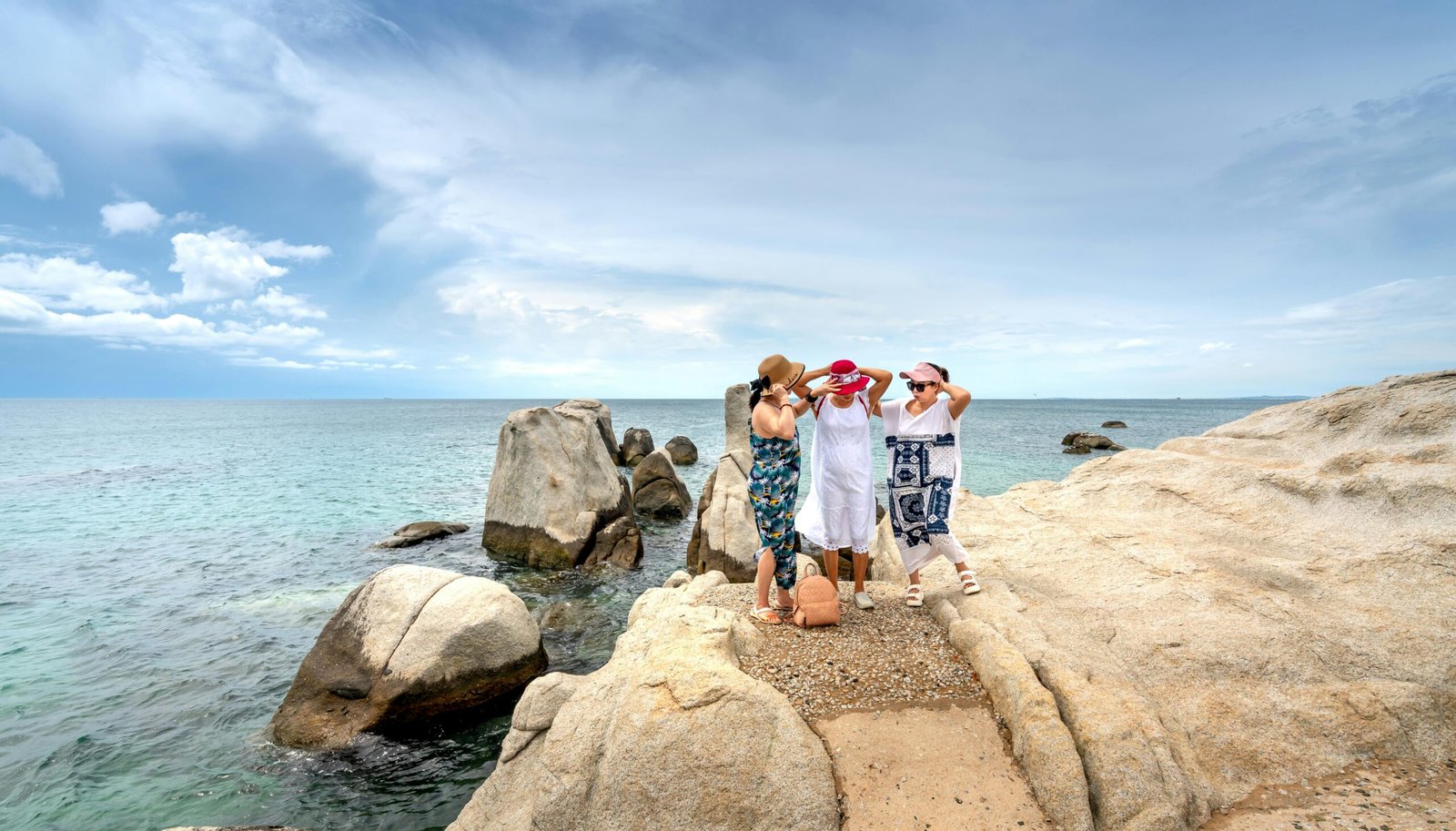
The trade-off is real. Instagram-centric travel rewards instantly. A photo, a fresh round of likes, the algorithmic warmth that follows a well-timed carousel. On the other hand, mindful travel rewards slowly and partly in private. Its benefits show up not immediately after the holiday but in the months that follow, when the traveller realises that they retained something meaningful. Be it a conversation with the woman who ran the homestay or an afternoon spent doing nothing on a balcony in Goa.
At Meraki Diaries, we have watched a steady shift among women travellers, away from collecting photos and towards meaningful travel experiences. The women-only trips are built around exactly this kind of slower day.
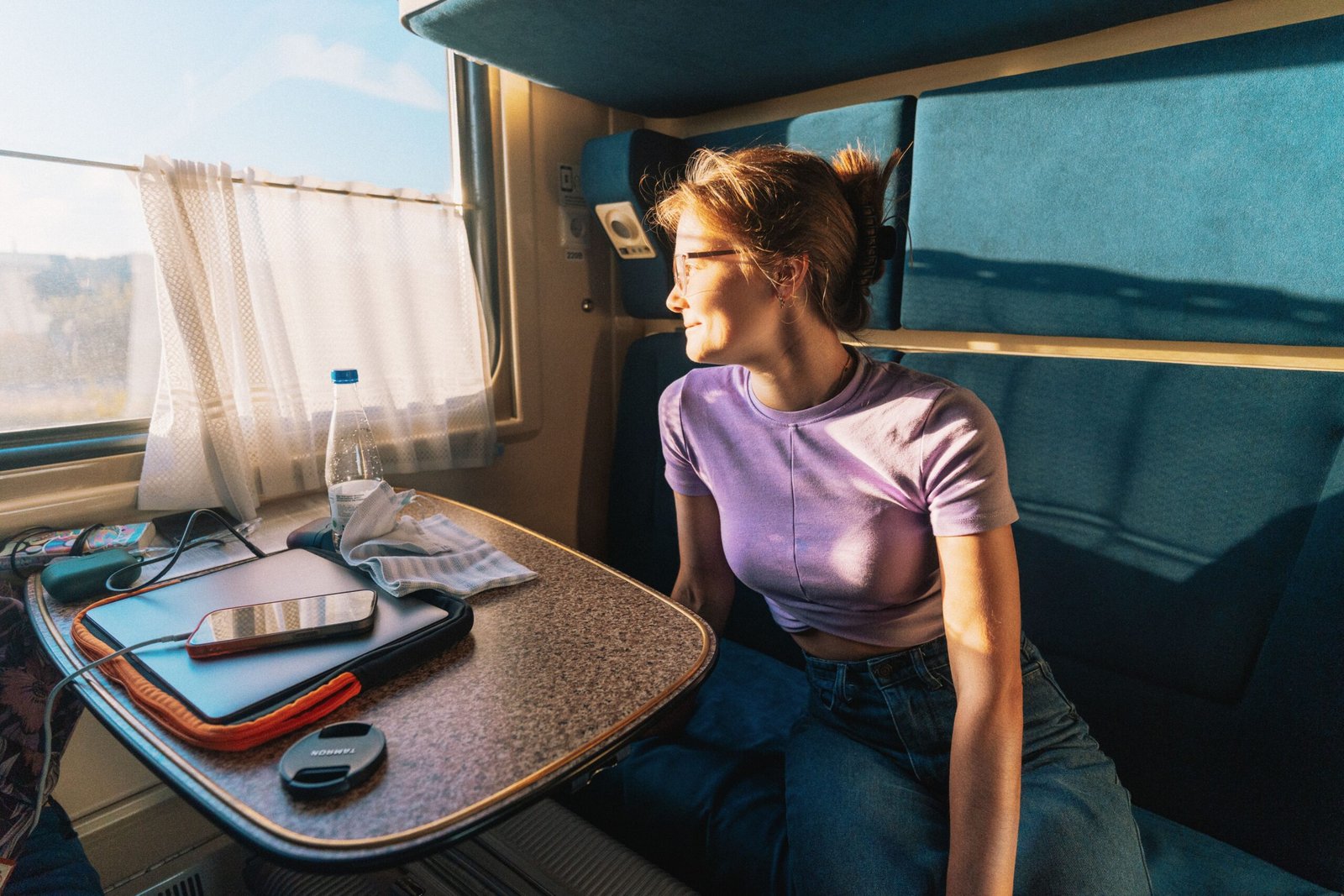
Financial cost is the smallest part of it. Attention is the deeper one. Arriving somewhere, having already seen it through a phone for six weeks, means spending much of the trip checking the real experience against the image carried in. The sunset is either better than the Reel or disappointing. That cafe in the saved post turns out either as photogenic as advertised or unremarkable. Somewhere along the way, the traveller stops being a traveller and starts being a comparison engine.
There is a parallel cost in how behaviour changes without permission. Tourists queue in groups of thirty at the same Santorini staircase for the same photograph. Many miss the Lisbon trams running through Mouraria while standing in line for the famous yellow Tram 28. Travellers book the same Bali pool villa their cousin’s friend posted last year and realise mid-trip that they did not actually want a Bali pool villa; they wanted the idea of one. None of this is anyone’s fault. The platform rewards exactly this behaviour.
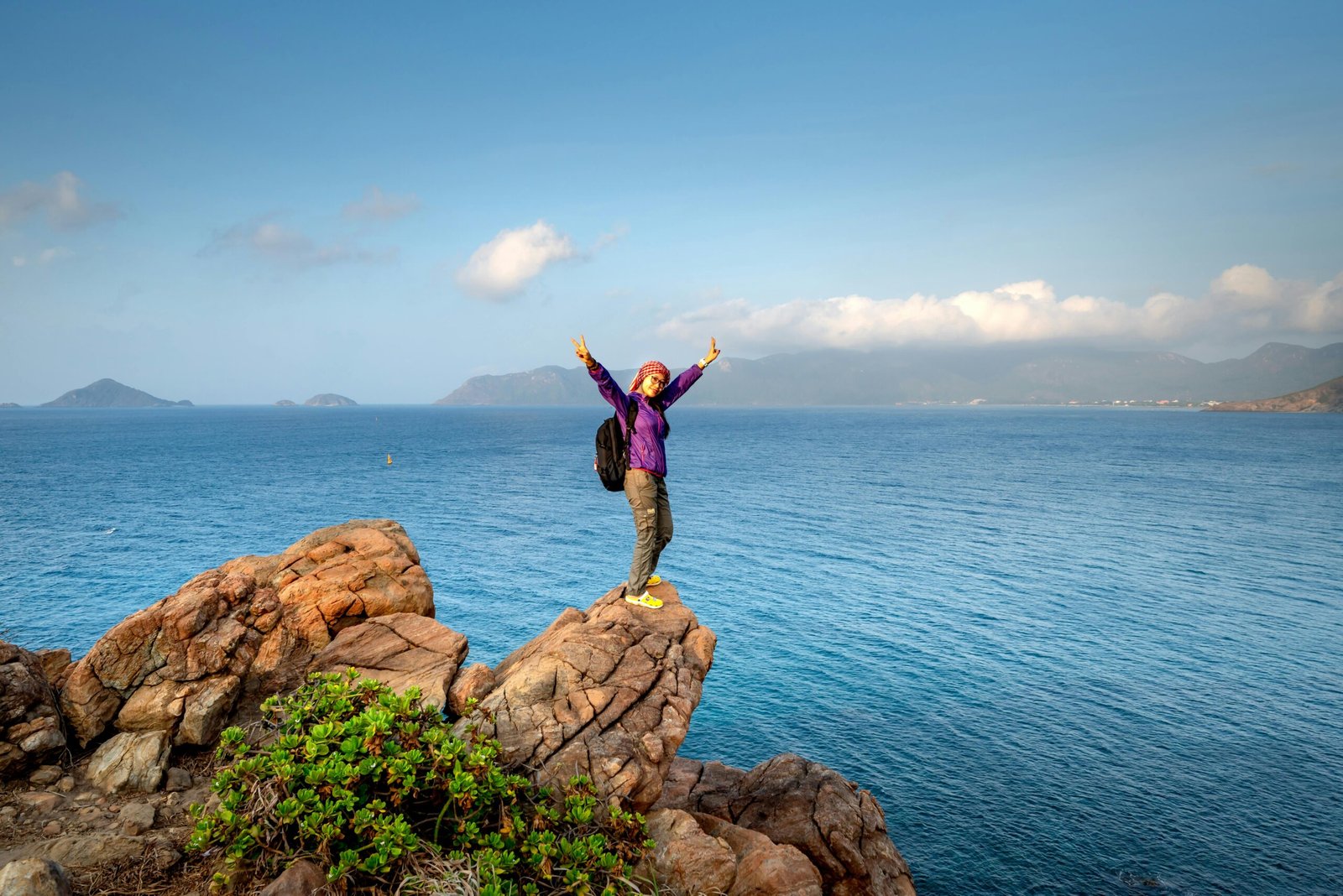
Travel that helps the inner self does not require climbing to base camp or sitting for ten days at a Vipassana centre. It usually involves a handful of smaller things done with intention. Going somewhere slowly enough to actually arrive in it. Eating meals in homes rather than only in restaurants. Learning one craft, one phrase, one local custom that the place is known for. Travelling with people genuinely worth spending time with. Putting the phone away for stretches long enough to be inconvenient.
In practice, these are small moments. A vendor in Pampore explaining how she dries her saffron, the Chinese fishing nets in Cochin being pulled at dawn, an afternoon spent learning to roll Wazwan kebabs from a Kashmiri grandmother who patiently corrects each attempt. Reels rarely come out of these. The memory of them tends to hold up long after the rest has faded.
Slow travel, wellness travel and transformational travel all overlap here. They are different names for one shared idea, which is that the value of a journey is measured by what is brought back internally, not by what was posted while it was happening.
If you are looking for a women’s travel community that values connection over checklists and experiences over algorithms, explore upcoming Meraki Diaries journeys across India and beyond.