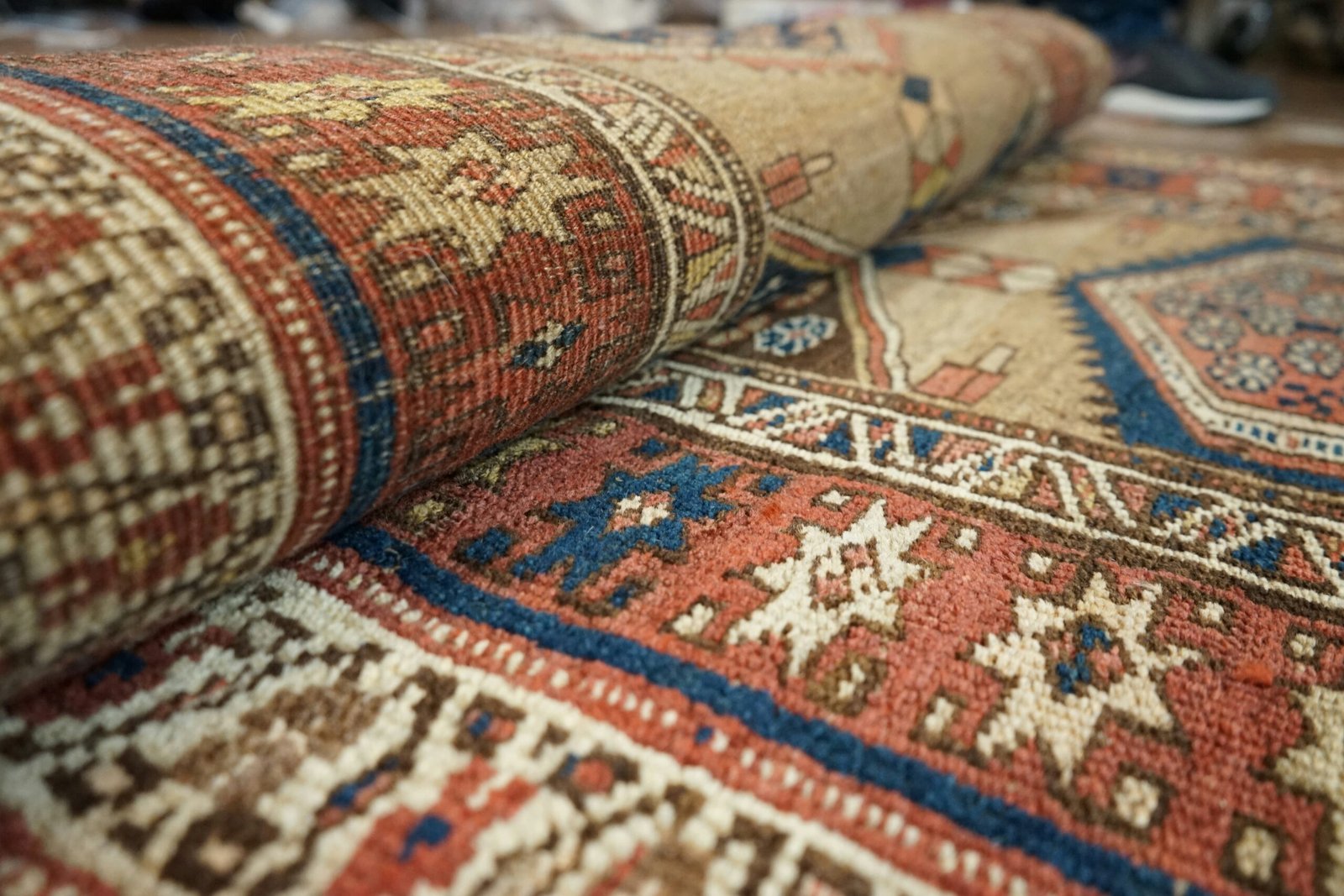
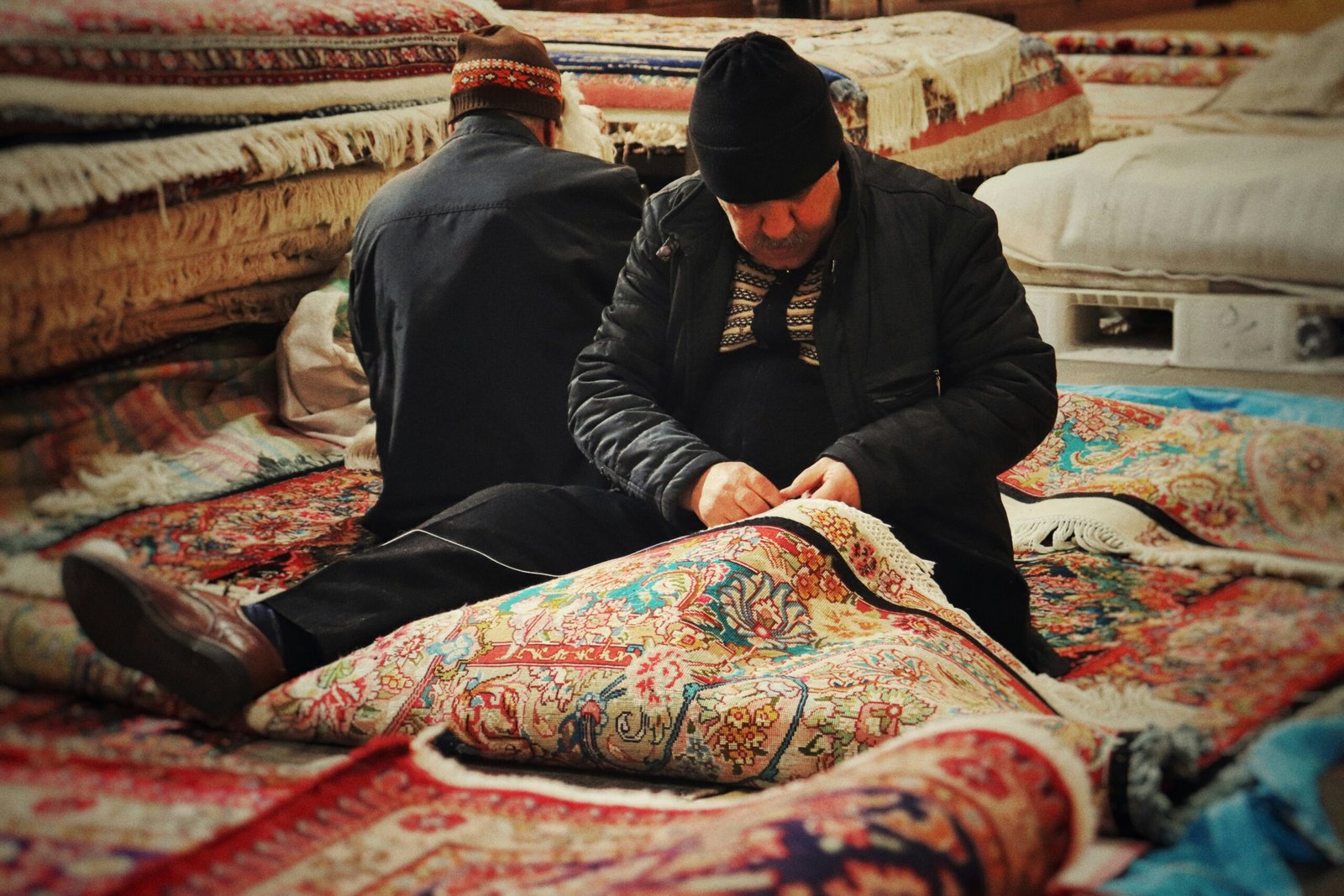
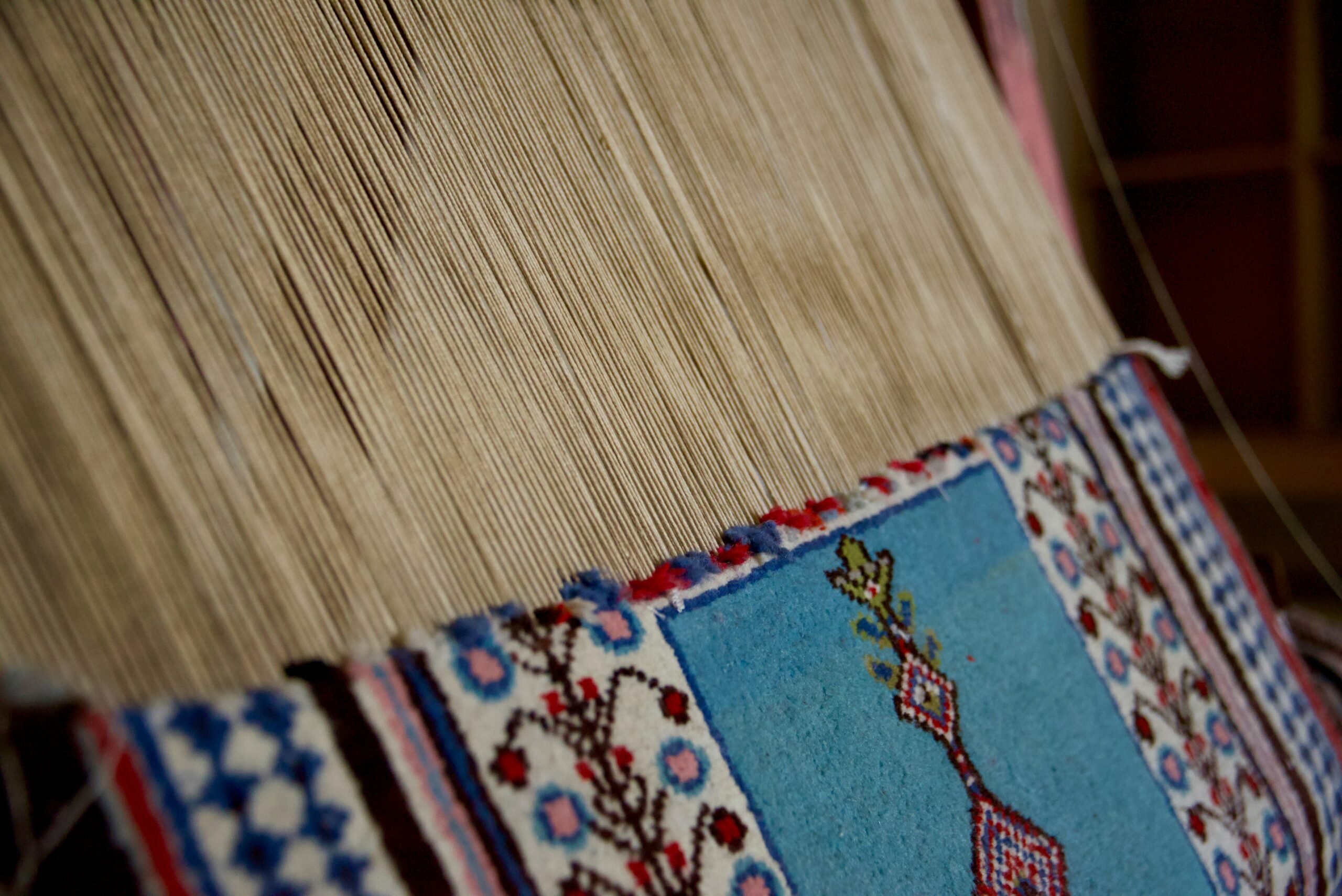
A handmade Turkish rug is a deceptively simple thing to look at. Deep reds, inky blues, and a dense geometry of repeating shapes hold the attention fairly longer than one would anticipate. What barely registers is that all of it came from a single pair of hands. One woman sat at a wooden loom for the better part of a year, tying knot after knot, until the pattern lived in her fingers and she no longer had to think about it.
Most of us walk right past that story. It deserves a second look. Just as Hagia Sophia tells the story of Istanbul through architecture, the carpet tells the story of Anatolia through thread. And the loveliest way to feel it is to stand in the room where it happens, in Turkey itself. The Turkish Carpet Weaving Tradition is not simply about producing beautiful rugs. It is a centuries-old craft that preserves stories, symbols, and the knowledge passed down through generations of women. Turkish carpets are not really products; they are diaries, and the women who make them are the reason this small everyday miracle is still alive.
At Meraki Diaries, we believe travel becomes meaningful when you meet the people behind a destination’s traditions. During our women-only Turkey tours, visiting a carpet weaving studio ranks among the most memorable experiences for our travellers.
Why Turkish carpets take a year to make
Weaving a rug by hand is gloriously, almost stubbornly slow. The weaver sits at a tall loom and builds the pattern knot by knot, hundreds of thousands of them in a single carpet, more than a million in the really fine ones. A knife snips each knot and a comb beats every row down tight, and then she starts the next row, and the next, for months without end. People have been doing this for more than two thousand years, and the method has barely budged.
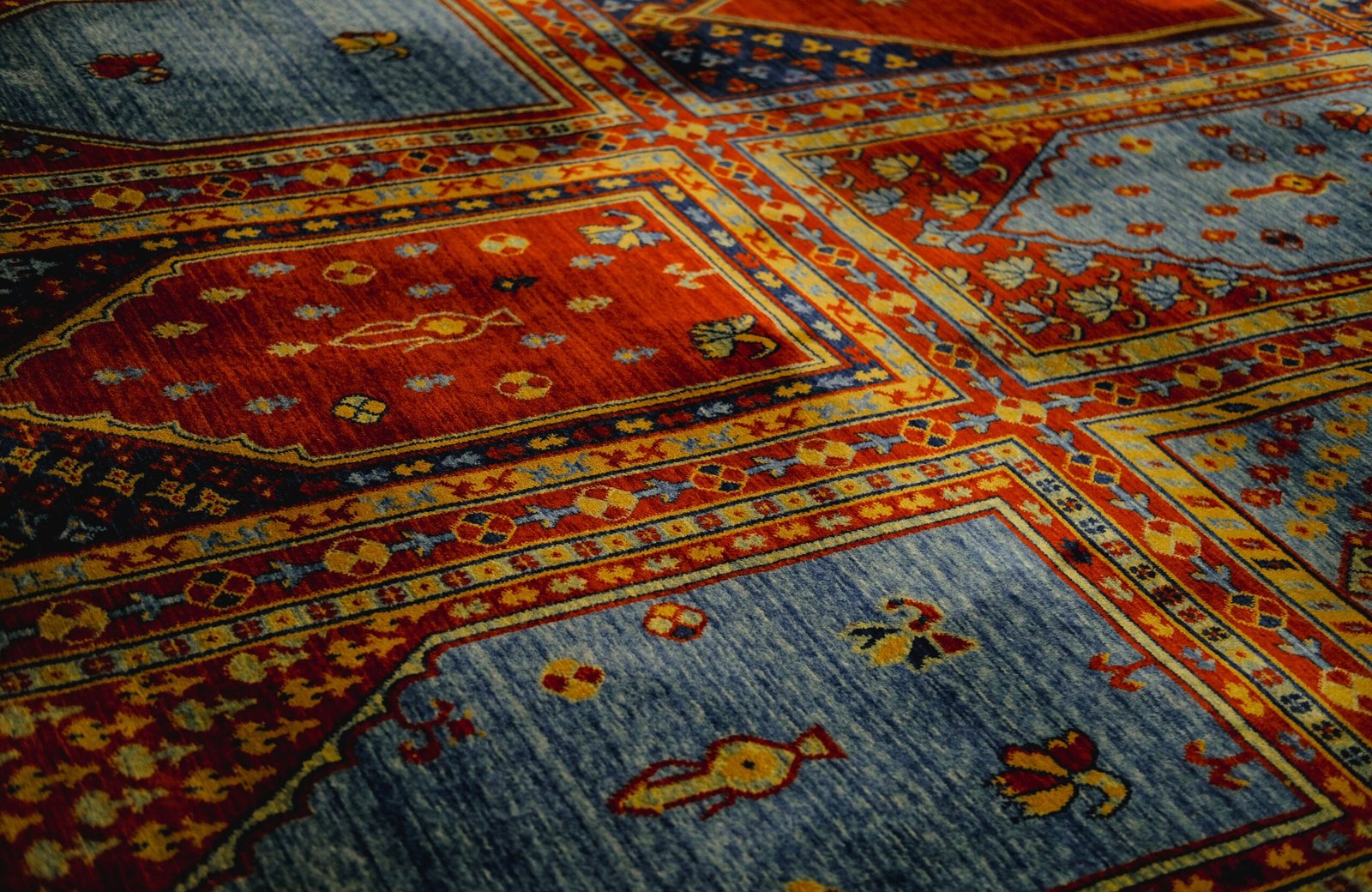
The colours came straight out of the ground, and plenty still do. Madder roots for a warm red. Indigo leaves for blue. Onion skins and wildflowers for yellow. These natural dyes soften and glow as the years go by, which is the amusing little secret of old rugs. They look better with age, not worse. And since no two days at the loom are ever the same, no two carpets are either.
The secret hidden in the weave
If you look closely, a lot of those pretty shapes turn out to be a code. Many of the motifs carry meaning and the weaver picks each one for a reason. One of the best-loved is a small figure of a woman with her hands on her hips. She stands for motherhood, fertility and abundance, and women have been weaving her into cloth for thousands of years, all the way back to the ancient mother goddess of Anatolia. Spot her in a carpet and you are really looking at a wish.
There is an eye in there too, woven in to ward off the evil eye, the same old superstition behind the blue glass charms sold on every street corner in Turkey. A young woman making her first big piece might slip in a symbol for love, or for the family she hoped to have one day. So a carpet was never only a decoration. It was a girl writing her dreams down in wool, long before anyone handed her a pen.
Meet the women who keep it alive
Not so long ago, all of this nearly vanished. Cheap machine-made rugs flooded the market, young people drifted off to the cities, and the old skill started to fade. What saved it is the best part of the whole tale. Villages set up weaving groups run by women, where every knot earns a fair wage and the maker is treated like the artist she actually is.
For many women, carpet weaving has become a pathway to financial independence. Cooperative workshops across Turkey help preserve traditional craftsmanship while providing sustainable income opportunities for women artisans.
A handful of women at their looms, swapping gossip and pouring tea, teaching their daughters the same patterns their own mothers once taught them. Buy one of their rugs today and it usually comes with a small label carrying the weaver’s name. In a village somewhere, a woman earns her own living, on her own terms, doing the very thing her grandmother showed her as a girl. The loom keeps clacking because she keeps sitting down to it, and that is what keeping a craft alive truly looks like.
See it with your own eyes
Reading about a weaver is lovely. Sitting beside one while her hands race across the loom, sipping the tea she has just poured you, watching a pattern bloom out of thin air, is the kind of moment you carry around for years.
That is exactly what women travel groups are made for, and it is woven right into our tour to Turkey. This women-only tour runs nine days, from the 18th to the 26th of September 2026, and carries a small group of ten from the bazaars of Istanbul to the fairy chimneys of Cappadocia. There are hot air balloons at sunrise, ancient ruins to wander, long lazy dinners, and yes, a real carpet studio where you can watch a weaver work and run the wool through your own fingers.
Curious to see this centuries-old craft in person? Join Meraki Diaries’ women-only Turkey tour and step inside an authentic carpet workshop, meet local women artisans, and experience Turkish culture beyond the guidebooks.
Best of all is the company you keep, a group of women who simply get it, on a trip built from start to finish for women. A handmade Turkish rug is a gorgeous thing to carry home. The story stitched into it is even better, and the women who weave it would love nothing more than to share it. Come and meet them.
Frequently Asked Questions