Standing in a tiled changing room while clutching a towel the size of a paperback novel is perhaps the most vulnerable a traveller can feel. It is the definitive threshold of a traditional Japanese onsen experience where your clothes stay in a wicker basket, and your modesty is left to the steam. For a first timer, this is not just about a bath, but it is an entry into a silent and highly structured world of mineral-rich relaxation. The air is heavy with the scent of sulphur and the rhythmic sound of wooden ladles hitting plastic stools. This is the authentic heart of the country, a place where the hierarchy of the outside world vanishes the moment the water hits your skin. If you can push past the initial hesitation of communal nudity, you will discover that the public bath culture in Japan is one of the most civilised and restorative habits on the planet.
The silent mechanics of a traditional Japanese onsen
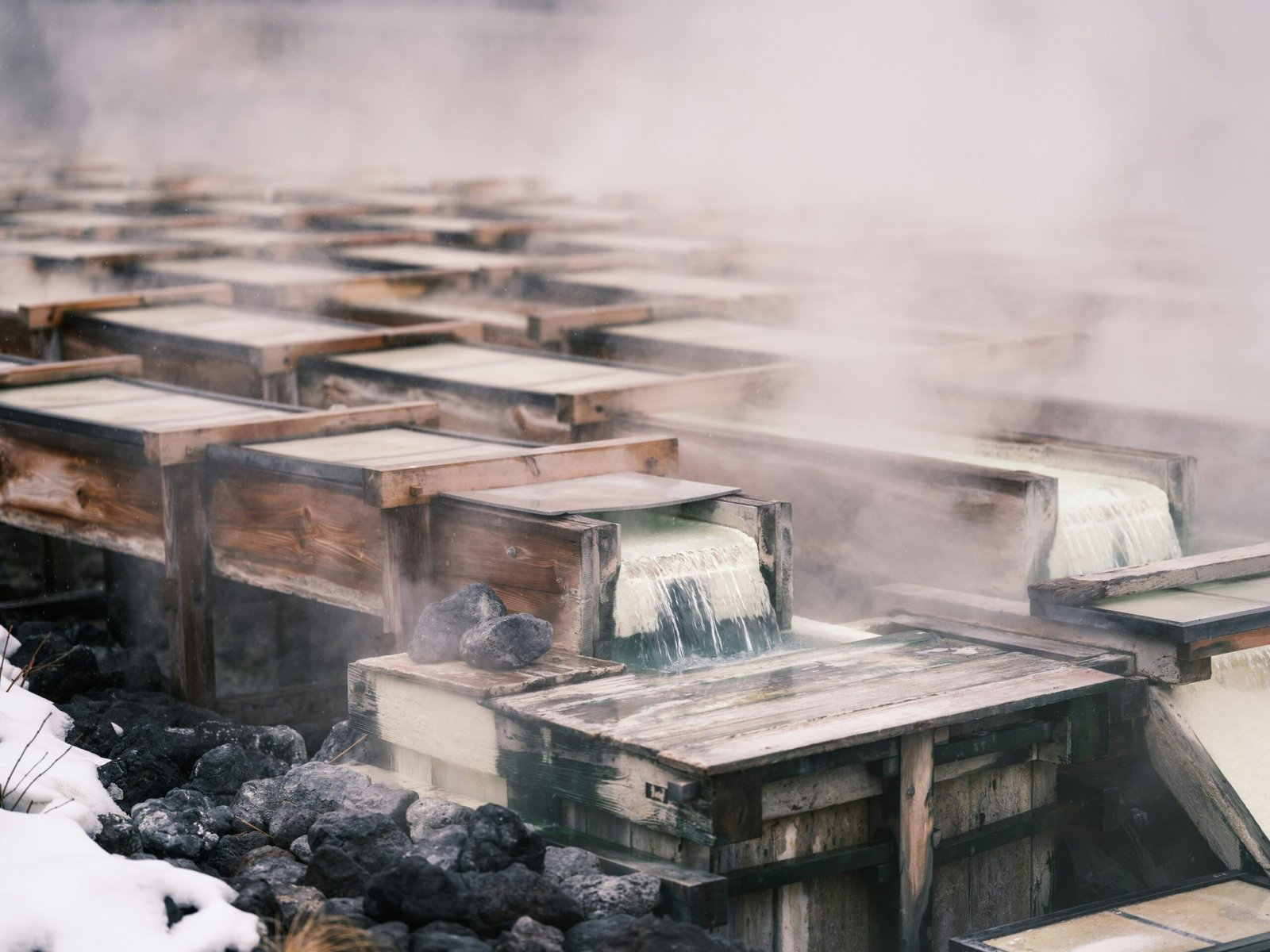
Before you even see the steam, you have to understand that an onsen is a living thing. Unlike a standard swimming pool, these are fed by natural geothermal springs that must meet specific criteria regarding mineral content and temperature. Some waters are “kakenagashi”, which means they flow directly from the source into the tub and then straight out again, never being recycled. This is the gold standard for enthusiasts. When you enter, you will be greeted by the noren, which are the split curtains hanging at the entrance. Blue usually denotes the men’s side, and red or pink denotes the women’s side. Once you step through, the transition begins. You are expected to leave your shoes in a locker at the very front of the building because the floors inside are kept meticulously clean.
Inside the changing area, the atmosphere is businesslike. People undress with a quiet efficiency that can be intimidating. There is no staring, and there is certainly no hiding in a corner. The key to a successful first-time onsen experience is to mimic this purposeful movement. Put your clothes and your large drying towel into a locker or basket and take only your tiny “modesty towel” and your locker key into the bathing area. This small piece of fabric is your only companion and your only shield. It is used to wash your body and to cover yourself while walking between pools, but it must never dip into the communal water.
The tattoo policy in Japanese onsen facilities
For many international visitors, the biggest hurdle is not the nudity but the ink on their skin. The tattoo policy in Japanese onsen remains a complex and sometimes frustrating topic. Historically, tattoos were the mark of the Yakuza, and while the younger generation sees them as fashion, many older bathhouse owners still enforce a strict “no ink” rule to protect the comfort of their regular patrons. This is not a personal slight against you, but rather a vestige of a social contract that prioritises the collective over the individual.
If you have small tattoos, you can often find “foundation tapes” or waterproof bandages at local pharmacies. However, if you are heavily tattooed, you should look for facilities that specifically advertise as tattoo-friendly. Alternatively, you can seek out a kashikiriburo, which is a private bath that you can rent for an hour. This allows you to soak in the same volcanic minerals without any concern for the onsen rules and manners regarding body art. Some modern ryokans are becoming more relaxed, but it is always best to check their website or send an email before you arrive to avoid a polite but firm rejection at the door.
The ritual of the pre-soak scrub
The most common mistake made by beginners is rushing toward the water. You must realise that the bath is for soaking, not for cleaning. To maintain the public bath culture in Japan, the water must remain entirely free of soap, dirt, and dead skin. This is why the washing station is the most important part of the room. You will find rows of low stools and mirrors, each equipped with a shower head and a bucket.
You must scrub every inch of your body with soap. This is not a quick rinse but a thorough purification. Use the small towel to reach your back and ensure that all suds are rinsed away before you even think about the pool.
If you are on our
cherry blossom women-only Japan tour, you will likely find that doing this alongside your fellow travellers makes the process feel much more like a shared spa day than a solitary chore. Once you are squeaky clean, you are ready to enter the water.
Mastering the heat and the onsen etiquette for foreigners
The water in a traditional Japanese onsen is often much hotter than what you might be used to at home. It usually hovers between 40 and 44 degrees Celsius. Enter the water slowly and start with a shallow pool if one is available. This is where you will see locals performing “
kake-yu“, which involves ladling the bathwater over their lower body to help the circulatory system adjust to the temperature. When you are fully submerged, place your folded small towel on top of your head. This keeps it out of the water and, according to local wisdom, helps prevent a rush of blood to the head, which can cause dizziness.
While you are in the water, you should remain relatively still. Splashing, swimming, or dunking your head underwater are all major breaches of onsen etiquette for foreigners and will likely earn you some concerned glances. The goal is to reach a state of total stillness. You are there to feel the minerals interacting with your skin. Some waters feel silky and alkaline, which are known as “skin-beautifying” baths, while others might smell strongly of iron or eggs. Each has a different therapeutic purpose, from soothing joint pain to curing chronic fatigue.
Cooling down and the final exit
A first-time onsen experience can be physically demanding because the heat works deep into your muscles. Do not stay in the water for too long on your first go. Ten to fifteen minutes is usually plenty. When you feel yourself getting too hot, sit on the side of the bath for a while or try the cold plunge pool if you feel adventurous. The contrast between the searing heat and the icy water is incredibly invigorating for the nervous system.
When you decide to leave, do not rinse off under a fresh shower. The whole point of the experience is to let those minerals stay on your skin. Simply use your small towel to wring out as much water as possible and pat your body dry before you walk back into the changing room. Keeping the floor dry is a key part of how to use an onsen in Japan and shows that you respect the facility and the staff.
The post-bath glow and the coffee milk tradition
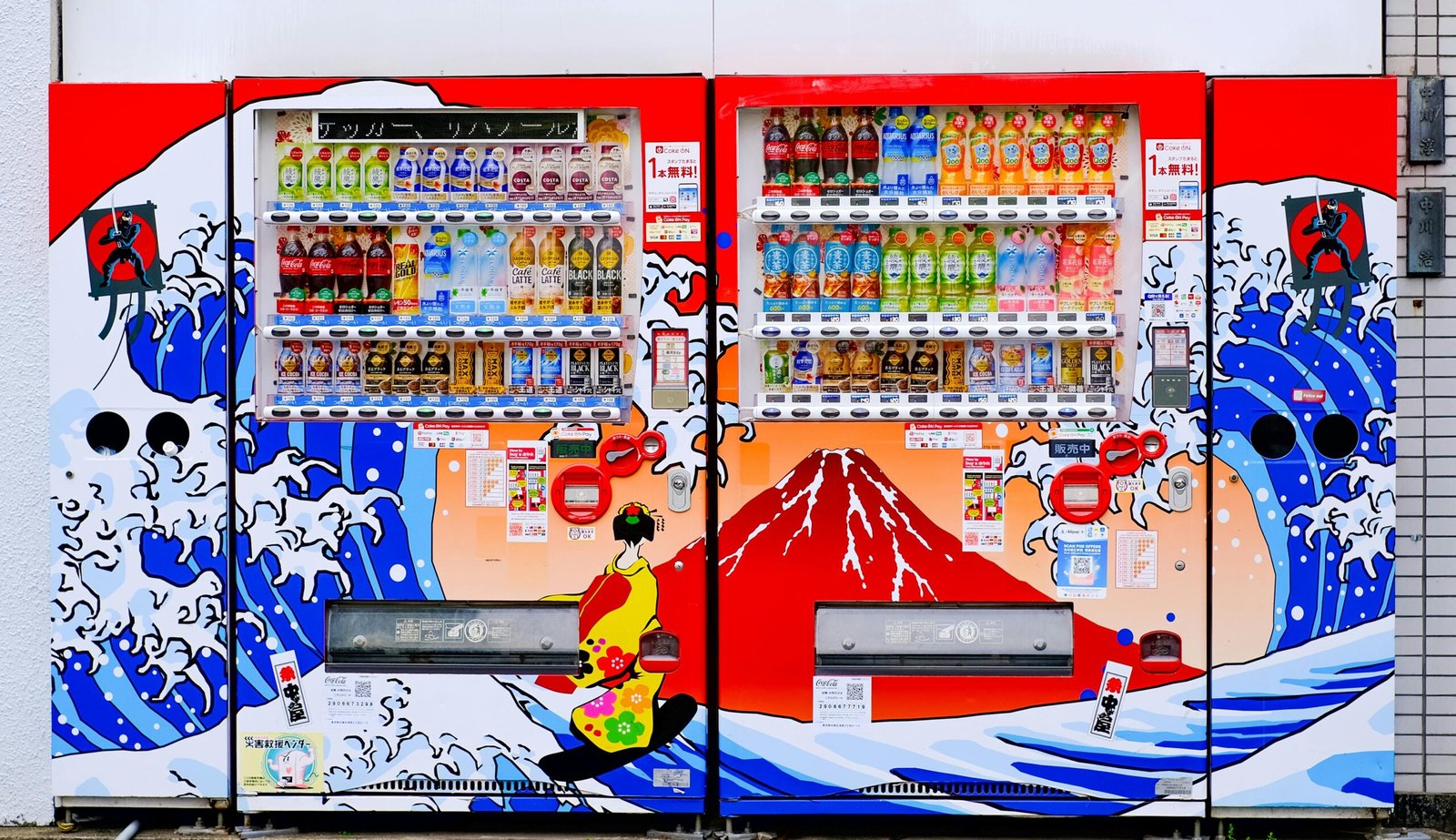
Once you are dressed and back in the common area, you will likely notice a vending machine filled with small glass bottles. This is the final, essential step in the ritual. Drinking a bottle of cold coffee milk or fruit milk while sitting in the relaxation lounge is the ultimate reward. Your body will feel heavy, and your mind will feel unusually clear. This “afterglow” is why people return to the springs time and time again.
Understanding how to use an onsen in Japan is a lesson in patience and observation. It is a rare chance to step away from the digital world and simply exist in a physical space with others. By following the onsen rules and manners, you transition from being a spectator to being a participant in a culture that values cleanliness and quietude above all else. The initial fear of being judged or doing something wrong quickly evaporates, leaving you with nothing but the warmth of the earth and a profound sense of peace.
If you are interested in an
all-women tour to Japan, then we invite you to experience the journey with us on our cherry blossom women-only Japan tour.