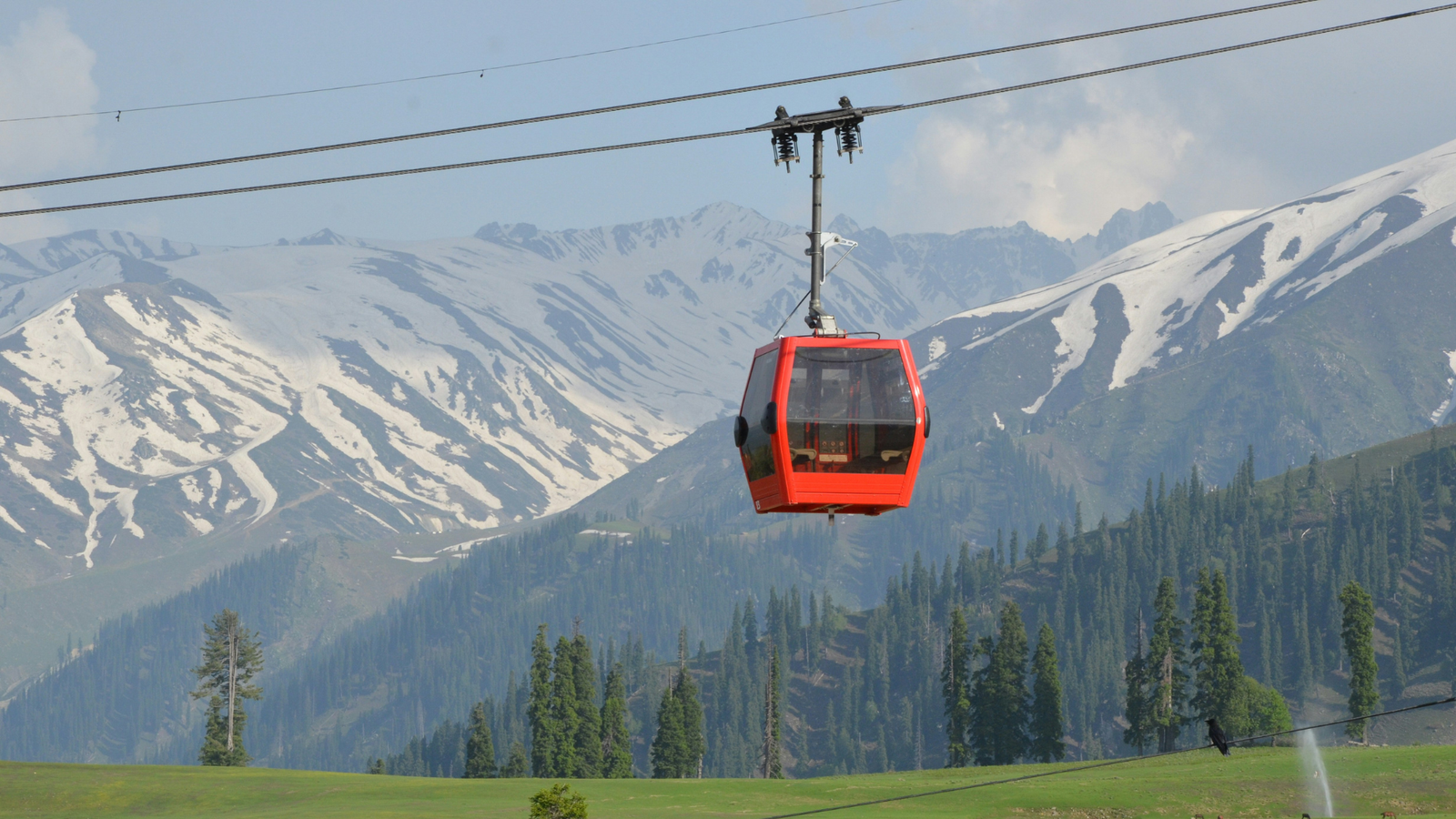
There is a tourist and movie version of Kashmir and Ladakh, and there is the actual one. The former one has the shikara photo on Dal Lake, the yak at Pangong Tso, and the gondola at Gulmarg. These are not bad places. They are also the most thoroughly photographed corners of northern India, and very little of what you will find in them has not already been written about endlessly. The genuinely interesting things to do in Kashmir and Ladakh sit outside that circuit, in the villages and meadows and conversations that no standard itinerary points you towards. This list is for the parts most travellers miss.
“One’s destination is never a place, but rather a new way of looking at things.”
– Henry Miller, Big Sur and the Oranges of Hieronymus Bosch (1957)
The Things to Do in Kashmir and Ladakh That Take a Detour
Each of the experiences listed below requires going slightly off the main route, asking the right local or arriving at a specific time of year. None of them is hard to reach. They are simply not the first thing the mainstream brochures show you.
1. Stargazing at the Hanle Dark Sky Reserve - Meditation with the Monk in Samsthla Monestry
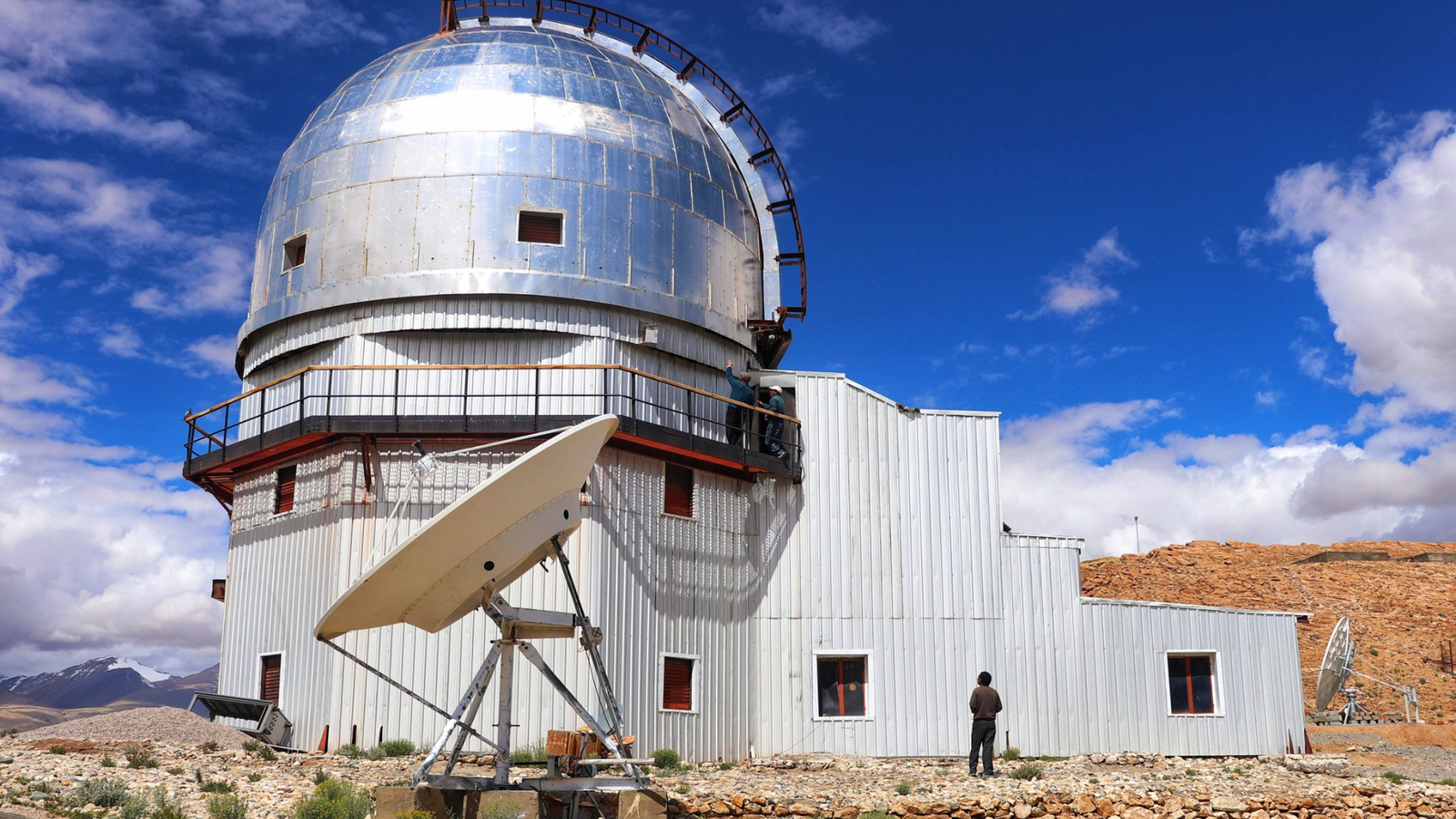
Hanle is a village on the Changthang plateau about 240 kilometres southeast of Leh, notified as India’s first Dark Sky Reserve in December 2022. It sits at 4,500 metres, ringed by mountains, with almost no artificial light for kilometres in any direction. The Indian Astronomical Observatory has been operating here since 2000, which is why the night sky is so exemplary in the first place. What is worth doing now is staying overnight at one of the village homestays. The local community has trained ‘Astronomy Ambassadors’ who set up telescopes after dark and walk you through what you are looking at. In summer, the Milky Way is directly overhead.
2. Stay in Kyagar village where the siachen riven flows
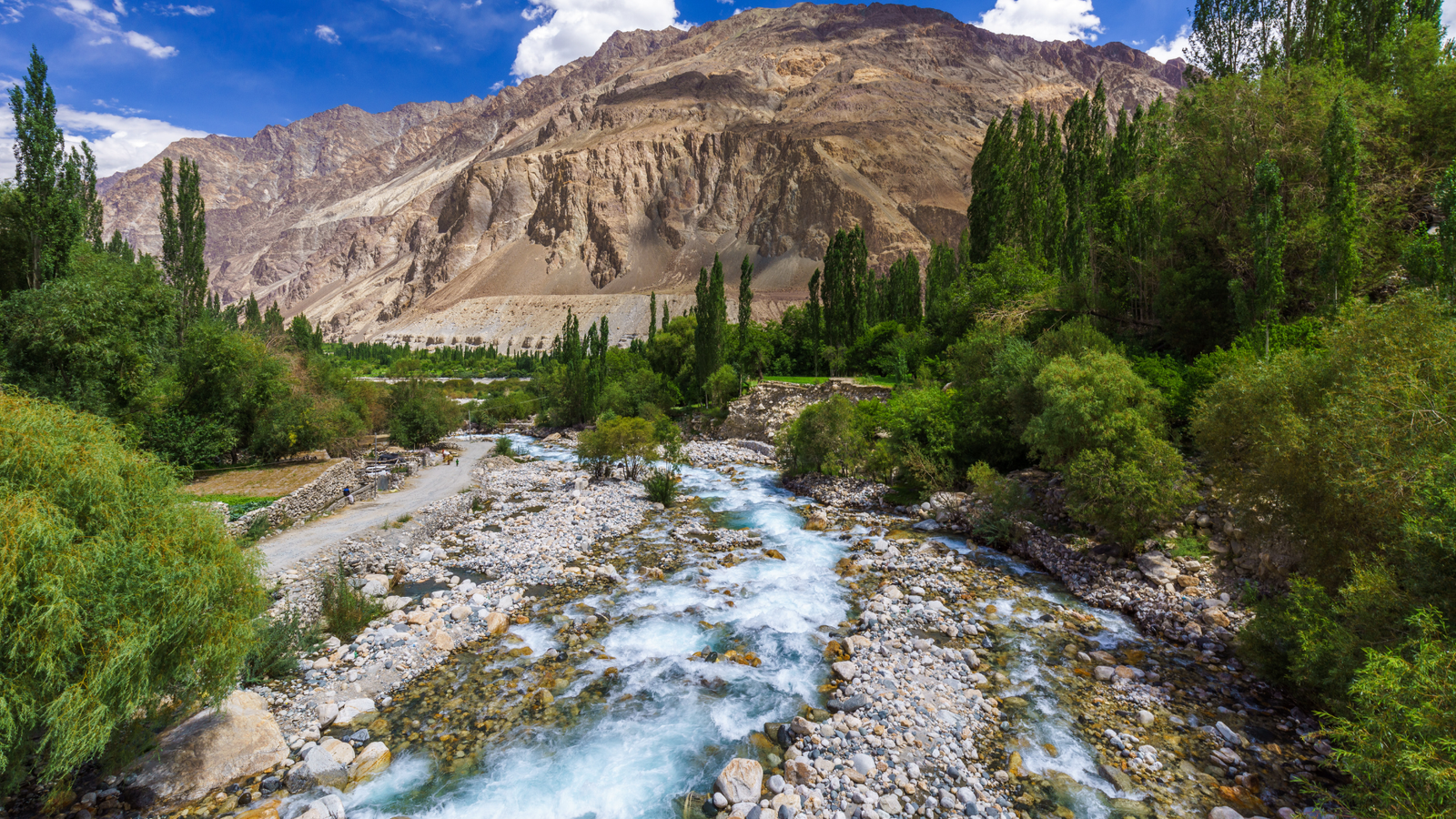
Turtuk is the last Indian village before the Line of Control with Pakistan, around 205 kilometres from Leh in the Nubra Valley. It was part of Pakistan until the 1971 war, which is why the language spoken here is Balti rather than Ladakhi, and the culture is Muslim rather than Buddhist. Tourists were only allowed in from 2010 onwards. Around four thousand people live in the village today, many of them still tending the apricot orchards that Turtuk has been known for since the Silk Route ran through here. Stay at a homestay, eat fresh apricots in season, and ask someone over forty about life before 1971. The answers are unlike anything you will hear elsewhere in Ladakh.
3. Drinking Noon Chai at a Kashmiri Breakfast with Bagirkhani - Visit the local Kandur - The baker
Most visitors to Kashmir leave having had kahwa, the sweet green tea with saffron and almonds that hotels serve as a welcome drink. Far fewer have tried noon chai. Noon, in Kashmiri, means salt. The tea is salted, blush pink in colour, and bears almost no resemblance to any sweet pink chai you might have ordered elsewhere in India. The colour comes from a slow chemical reaction between green tea leaves and baking soda, not from any added dye. Kashmiri families drink it at breakfast with sheermal or bakarkhani, both slightly sweet local breads, and the pairing of salty tea with sweet bread is the sort of detail no itinerary will think to flag. Ask for it at a local home rather than a hotel.
4. The Saffron Bloom in Pampore - A heritage walk in the Old town - Rainawari to Nawatta area visiting the Jama masjid
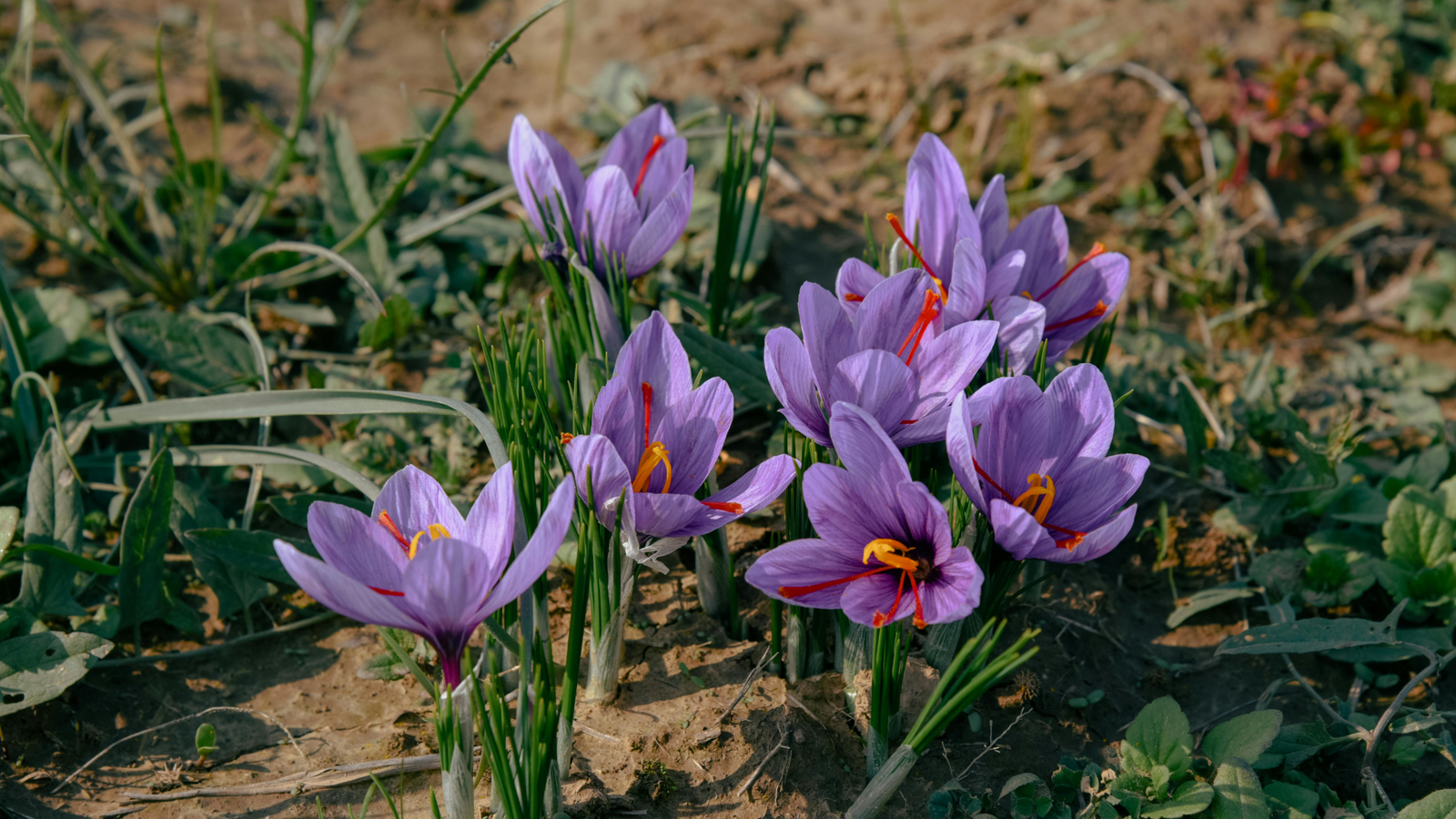
If you happen to travel to Kashmir between late October and mid-November, you should fully consider the drive 15 kilometres southeast of Srinagar to Pampore. This is where almost all of India’s saffron is grown, and for around ten days every autumn, the fields turn solid purple as the Crocus sativus blooms. Each flower contains three crimson stigmas, picked one by one, usually before dawn, before the petals wilt. It takes around 150 flowers to make one gram of saffron, which is why a properly graded gram costs what it does. Walk the rows, watch a family separate the stigmas at a kitchen table, and the phrase ‘world’s most expensive spice’ doesn’t feel like an advertising copy.
5. A Houseboat on Nageen Lake Instead of Dal
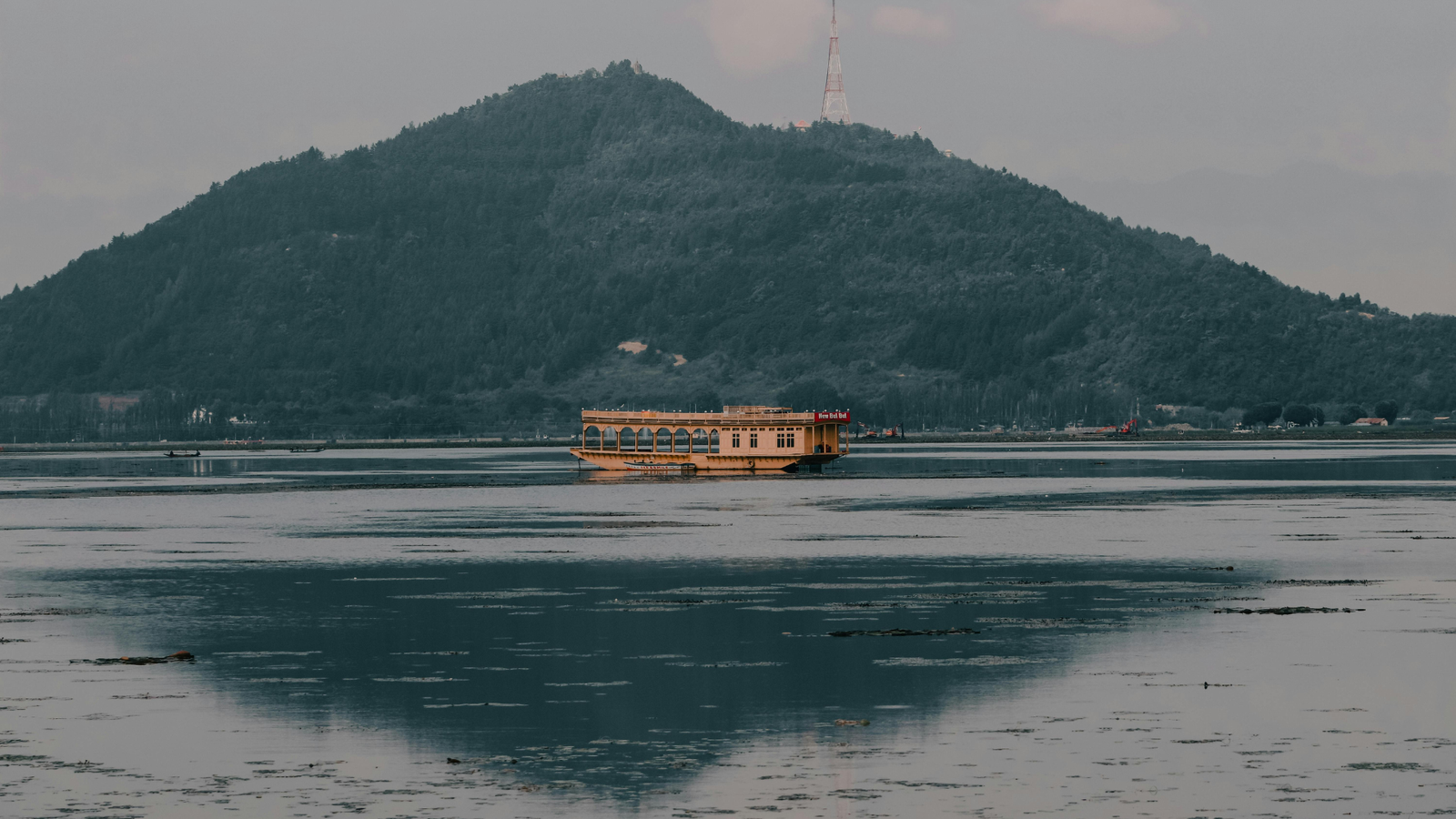
Most Kashmir trips put you on a Dal Lake houseboat. Dal is famous for a reason, but it is also crowded, increasingly polluted and busier than most travellers want their waterfront bedroom to be. Nageen Lake, a short distance away, is smaller, less busy, and ringed by chinar trees instead of shikara traffic. The Nageen Lake houseboats are the same kind, several of them older, and many are run by the same families that built them generations ago.
6. The Meadows Beyond Gulmarg - Fishing in Sonamarg
Gulmarg has the gondola, the meadow, and the tourist queues.
And if the queue is what is putting you off, head instead to Yousmarg or Doodhpathri, both in Budgam district, both within 45 kilometres of Srinagar. Doodhpathri translates to Valley of Milk, after the streams that run milky white over the rocks of the meadow floor. Yousmarg sits at a similar altitude in a wider alpine bowl. Neither has anything close to Gulmarg’s tourism infrastructure, which is exactly the appeal. Pack a picnic, take a short horse ride if you want one, and the day looks noticeably less curated than anything on the main circuit.
Going as Part of a Group
The real difficulty with most of these experiences is that they need a local contact, a good driver, or a planner who already knows which homestay actually has the telescope. Going as part of a well-structured women-only travel group removes most of that legwork. Meraki Diaries is running a
Kashmir to Ladakh women-only road trip in May and June 2026, with an itinerary built around the less obvious side of the valley.
Highlights include a houseboat stay on Nageen Lake, a trail walk in Yousmarg, a visit to the saffron fields in Pampore, a heritage walk through the old town of Srinagar, time with local artisans working in pashmina, papier-mache and walnut wood, and the ruins of the eighth-century Sun Temple at Martand.
Write to us for the full itinerary and to book your spot.