When you search “solo female travel” on Google, you will find an N number of results, thousands of glossy reels, and enough life-changing itinerary promises to make anybody feel that it is not a genuine deal. Interest in this category has climbed rapidly across the past decade, with growing demand for women-led experiences and small group journeys designed around comfort, safety and connection.
Yet the real difference in travel for women rarely comes down to matching linen sets, airport photos, or a pretty boutique hotel. It comes down to something far less marketable but infinitely more important, and that is, how a trip feels.
That feeling ultimately comes from the guides, the pace of the trip, and whether the experience actually allows you the space to feel anything. A woman travelling with other women notices this stuff right away. She knows when the camaraderie is forced, and when an itinerary was designed just to get things done rather than to actually be enjoyed.
That is why women only travel tours are no longer a niche category. They are becoming a deliberate choice.
Why Solo Female Travel Needs Female Hosts
A female host changes the emotional architecture of a trip in ways many companies still underestimate.
It is not merely just about safety, although that matters enormously. Recent tourism initiatives in places such as Himachal Pradesh have explicitly acknowledged the growing demand for women-friendly travel systems and female-centred hospitality.
It is about being understood without explanation.
A woman host notices when someone has gone unusually quiet at dinner after a difficult call home. She notices the traveller who says she is “fine” but has clearly reached social exhaustion. She knows the difference between someone wanting company and someone needing an hour alone with a coffee and no conversation.
Male guides are great but female-led travel just hits differently. There’s a natural, intuitive sense of what women need on the road; the kind of genuine care you can’t learn from a corporate training slide.
The reality is that women travel differently. Research into mobility and travel behaviour continues to show that women organise movement with more layered considerations around comfort, logistics, personal security, and emotional energy.
That reality follows women on holiday, too.
A female host understands why a traveller wants to know if the walk back to the hotel is well-lit. She understands why “free time” can feel stressful in an unfamiliar destination, and also the strange emotional cocktail of independence and vulnerability that comes with travelling without family, partners, or familiar routines.
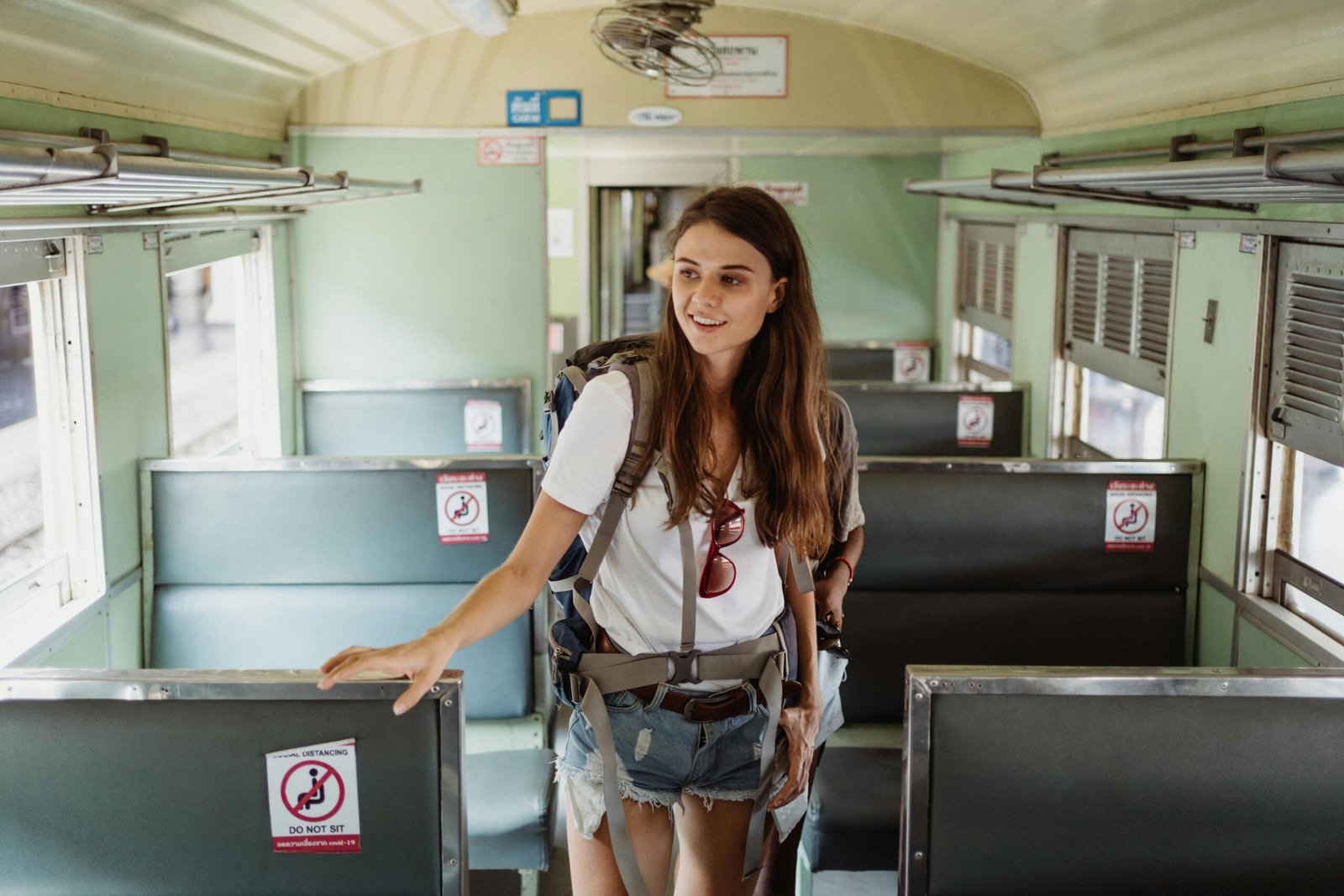
And let’s be honest about something else. Women open up differently when it is just other women around. It is not something that takes place in a jiffy. It builds over late dinners, bumpy train rides, and chatting while doing your skincare in a shared bathroom. It comes out in those deep conversations when you are all too tired to keep your guard up. A great host knows you cannot force that kind of bond. You just have to build a trip where it can happen on its own.
Why Women Prefer Slow and Thoughtful Travel Experiences
Modern travel has normalised this strange obsession with productivity. It’s the usual drill. You eat breakfast at seven, hit a temple at eight, wander a market at nine, and cram in a museum at ten. These tour itineraries look less like an actual vacation and more like a corporate retreat with better lighting.
Women, particularly those balancing demanding careers, caregiving, emotional labour, or nonstop digital communication, are not necessarily searching for more from travel. Many are searching for relief from constant optimisation.
This is where small group travel for women becomes genuinely valuable.
A thoughtful pace gives people room to absorb where they are instead of racing through destinations like a competitive sport. It leaves space for spontaneous detours, longer lunches, unplanned conversations and actual rest.
The best female travel groups understand that connection deepens when people are not being pushed into manufactured fun every minute.
Why Emotional Wellbeing Matters During Travel
The travel industry talks endlessly about wellness but emotional space remains strangely absent from most itineraries.
Women carry enormous mental loads before they even reach the airport. Careers, families, relationships, ageing parents, financial pressure; burnout disguised as competence.
Travel can become the first moment in months where somebody hears their own thoughts properly again.
That does not mean every trip needs journalling circles and forced vulnerability exercises under fairy lights. For many women, emotional space looks far simpler.
Psychological research also draws an important distinction between chosen solitude and loneliness. Time alone can be deeply positive when it feels intentional rather than isolating.
That distinction matters greatly in women-only travel experiences.
A well-designed group trip allows women to move fluidly between connection and personal space. There is comfort in knowing people are nearby without needing to perform sociability every second of the day.
Ironically, that balance creates stronger friendships than forced bonding exercises ever could.
5 Signs You've Outgrown Traditional Group Tours
Traditional group tours suit a certain kind of trip, but many women reach a point where the coach-and-checklist format stops working for them. A few signs that the shift has already happened.
- Rushing through a packed itinerary has started to feel like work rather than a break.
- Long conversations matter more than ticking sights off a list.
- The reason for travelling is the experience itself, not the photograph.
- Small groups appeal far more than a coach full of strangers.
- Real connection ranks above a full schedule.
Why Women Are Choosing Community-Led Travel
The rise in solo female travel is about independence and, more so, about community.
Women are increasingly looking for journeys that feel emotionally intelligent. Recent research across the travel sector points to growing demand for women-focused small group experiences, particularly among travellers seeking connection without chaos.
That shift explains why curated women-led journeys continue gaining momentum.
A well-hosted group gives solo travellers the freedom of independence with the reassurance of community. You can wander through a market alone for two hours, then return to dinner with people who already understand the context of your day. That combination is surprisingly powerful.
There is also comfort in not having to explain yourself constantly.
Nobody asks why you travelled alone.
Nobody treats independence like a personality disorder.
Nobody assumes a woman sitting alone at breakfast is waiting for somebody else to arrive.
Instead, the atmosphere becomes refreshingly straightforward. Women supporting women, giving each other space and laughing at things that would sound absurd in any other setting.
A missed train becomes a story. A rainstorm becomes an excuse for another bottle of wine. Somebody crying in the hotel lobby after a hard phone call home becomes a human moment rather than an inconvenience to the itinerary.
That emotional generosity changes everything.
And that is precisely why brands such as
Meraki Diaries resonate with women looking for something more considered than performative group tourism. Not louder itineraries or relentless activity. Just travel is designed with actual emotional intelligence.
Because the best trips are the ones where you finally felt able to exhale.
Group sizes are kept intentionally small so the dynamics described above actually show up.
Frequently Asked Questions