
Most descriptions of Lisbon will tell you about the same handful of things. Custard tarts called pastéis de nata. A famous yellow tram, called Tram 28, that winds through the old town. The sunset viewpoint above Alfama, the city’s oldest neighbourhood. All of these are real and worth doing. None of them really captures what Lisbon nightlife is like at 10 pm on a Wednesday, when our group of women, mostly strangers to each other forty-eight hours earlier, has walked into a small tavern in Alfama, ordered a bottle of Portuguese white wine, and is leaning forward as the fado singer clears her throat.
This article is about that evening, and why it became the closing chapter of our Spain and Portugal trip in Lisbon.
At Meraki Diaries, our women-only Spain and Portugal journeys are designed around experiences like these, not just ticking off landmarks, but creating moments of connection through culture, food, and meaningful conversations
A good night out in this city has three pieces. Fado, which is the music. The food, which is built around small plates and salt cod. And a kind of freedom that the women we travel with will tell us they have not felt in years. Music venues exist everywhere in the Portuguese capital but the version this city serves to people who have done the work to find the right one is different from what gets sold by the cruise crowd. Where to eat works the same way.
While Lisbon is not on our current tour calendar, our women-only Spain and Portugal tour covers the Iberian Peninsula from August 14th to 22nd 2026. View the full itinerary here.
Meraki Diaries runs women-only journeys through Spain and Portugal that pair the famous sights with the kind of evenings most travellers miss. Expect small fado rooms, long petiscos tables, and time built into the schedule for the conversations that take a while to arrive.
View upcoming departures.
Lisbon is consistently rated among the safer European capitals for women travelling alone or in groups. Violent crime is low, public transport runs late into the evening, and the historic districts where most visitors stay are well lit and busy until well past midnight. Standard precautions apply, especially around pickpocketing in tourist areas. On a Meraki Diaries journey, late-evening logistics like return transport and well-located hotels are already handled, which removes most of the variables women travelling alone usually have to manage.
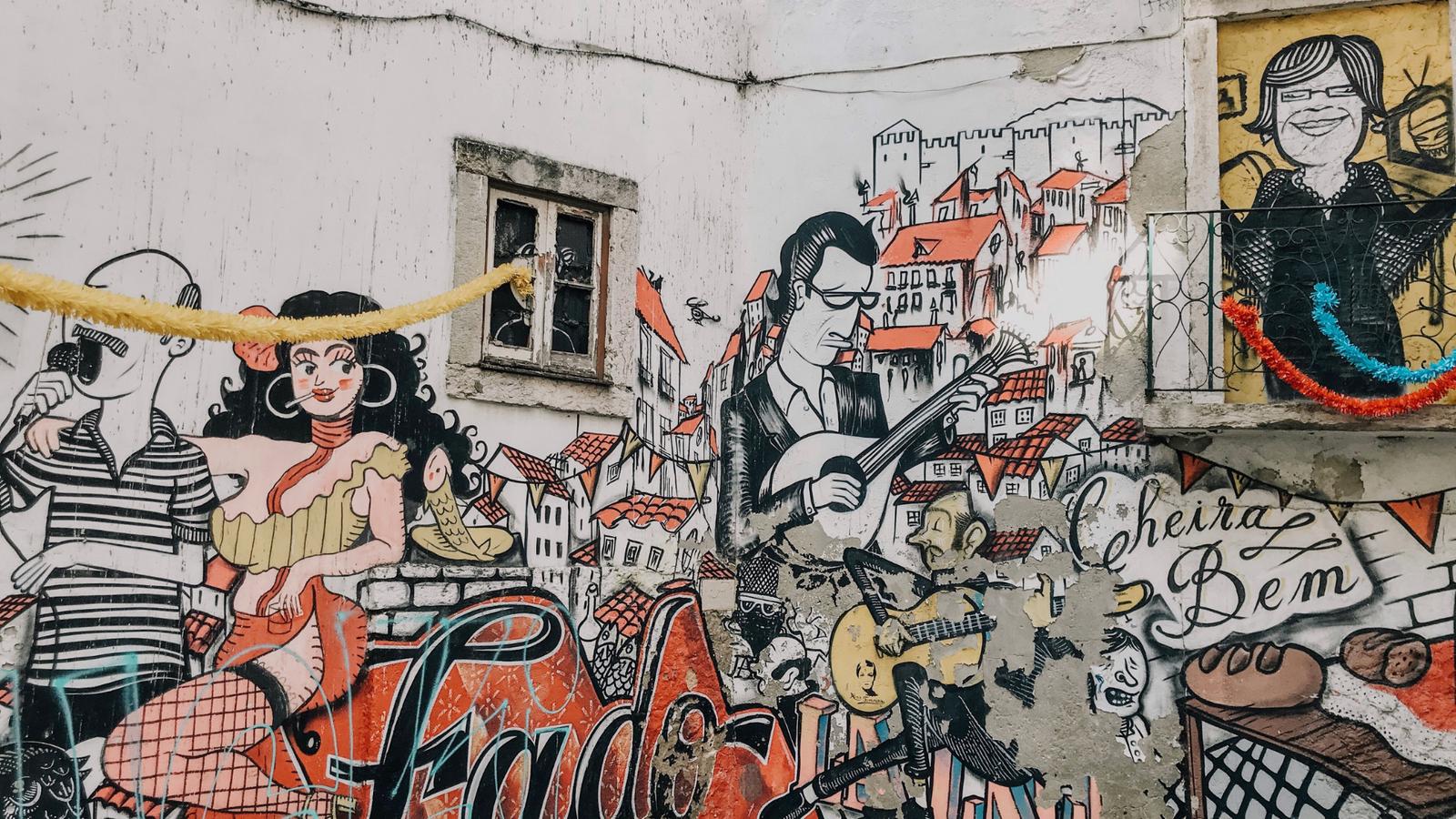
Fado is a Portuguese musical form that started in the working-class districts of Lisbon in the early 1800s. The lyrics tend to deal with longing, loss, and saudade, the Portuguese word for a melancholy that does not translate cleanly. A typical fado evening involves one singer, a twelve-string Portuguese guitarra, a classical guitar, and a room that takes the music seriously enough to ask audiences to stay attentive throughout the performance. UNESCO listed fado as Intangible Cultural Heritage in 2011.
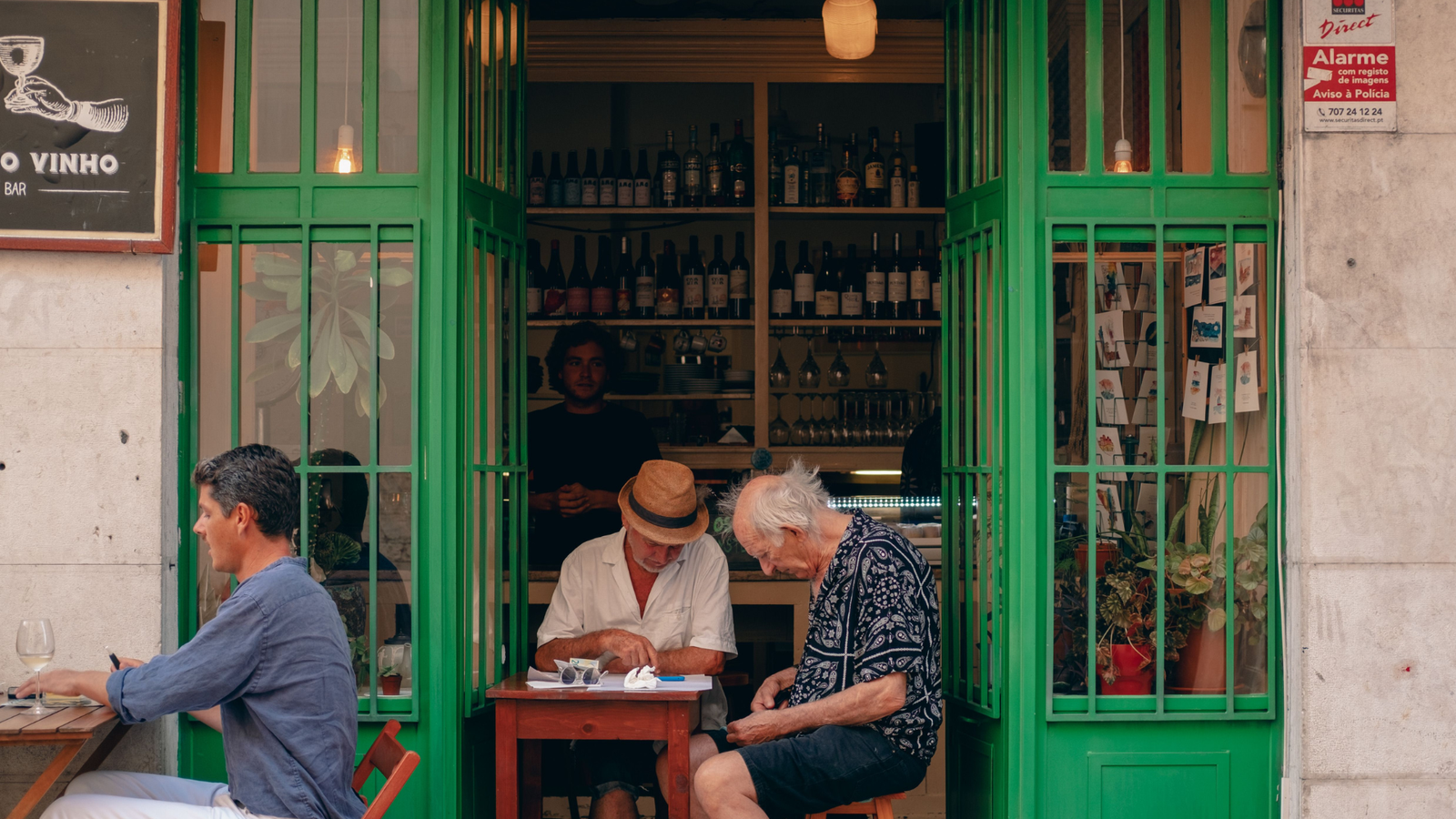
Start with bacalhau, the Portuguese salt cod that local cooks claim has 365 preparations. Bacalhau à brás is the most approachable first version, scrambled with eggs, onions, and matchstick potatoes. Order petiscos, the Portuguese small shared plates, and pair them with a bottle of vinho verde, the slightly fizzy young wine from the north. Finish with a ginjinha, the sour cherry liqueur served in a small chocolate cup that is meant to be eaten after the shot. The pastéis de nata, the custard tarts, are also worth the queues.